Tinnitus is one of the most common service-connected disabilities among veterans.
If you have a current diagnosis and you’re filing a VA disability claim, a nexus letter for tinnitus can be one of the most important pieces of medical evidence you submit. A strong nexus letter may also support secondary conditions caused by tinnitus, such as sleep apnea, migraines, and depression.
Understanding how nexus letters work, and what the VA expects, can significantly improve your chances of a successful claim.
Key Takeaways
- A nexus letter is a medical opinion connecting your current condition to military service.
- The VA requires evidence that a disability is “at least as likely as not” related to your time in service.
- Tinnitus can lead to secondary conditions, including sleep apnea, migraines, depression, and insomnia.
- A strong nexus letter should reference service history, medical records, and medical research.
Table of Contents
- Key Takeaways
- What Is a Nexus Letter for Tinnitus?
- Why Tinnitus Claims Often Need a Nexus Letter
- Secondary Conditions Linked to Tinnitus
- Nexus Letter for Sleep Apnea Secondary to Tinnitus
- Nexus Letter for Migraines Secondary to Tinnitus
- Nexus Letter for Depression Secondary to Tinnitus
- What Makes a Strong Nexus Letter for Tinnitus
- Conclusion
- Medical Evidence Wins VA Claims
- FAQs | Frequently Asked Questions
What Is a Nexus Letter for Tinnitus?

A nexus letter is a written medical opinion from a licensed healthcare professional that explains how your medical condition is connected to your military service.
The term “nexus” simply means link or connection. In VA disability claims, it refers to the connection between:
- Your military service
- Your currently diagnosed medical condition
Direct Service Connection
To prove direct, or primary, service connection, veterans must prove three things:
- A current diagnosed condition, and
- An in-service event, injury, illness, or aggravation, and
- A medical nexus (link) between the two
That third element is where a nexus letter becomes critical.
VA regulations state that service connection may be granted when evidence shows that a disability began in or was caused by military service. These rules are outlined in 38 CFR §3.303.
A nexus letter typically states that a condition is “at least as likely as not (50% or greater probability) caused by military service.” This language meets the VA’s legal standard for service connection.
Secondary Service Connection
If your tinnitus was caused or aggravated by another service-connected disability, you can file a VA claim for a secondary service connection.
For secondary service connection, you’ll still need a current tinnitus diagnosis and a nexus, but instead of linking your condition to your service, you’ll need to prove it’s linked to another service-connected condition.
A nexus letter is as important, if not more, for providing secondary service connection.
Why Tinnitus Claims Often Need a Nexus Letter
Tinnitus claims are common but not always easy to prove.
Many veterans experience tinnitus symptoms years after leaving the military. Because of this delay, service treatment records may not show a formal diagnosis during active duty.
This can lead the VA to deny claims if there is no clear medical explanation connecting tinnitus to service.
A nexus letter can help fill this gap by explaining how military noise exposure likely caused the condition.
Common sources of military noise exposure include:
- Artillery fire
- Aircraft engines
- Explosions and IEDs
- Weapons training
- Heavy machinery
- Ship engine rooms
Medical research supports the link between noise exposure and tinnitus. According to the National Institute on Deafness and Other Communication Disorders, prolonged exposure to loud noise can damage inner ear cells and lead to chronic tinnitus.
Because tinnitus is often associated with occupational noise exposure, a well-written nexus letter that explains your military duties and noise exposure history has the potential to make a significant difference in your VA claim.
Related: What is a Nexus Letter?
Secondary Conditions Linked to Tinnitus
Tinnitus does not only affect hearing. For many veterans, the constant ringing disrupts sleep, concentration, and mental health.
Over time, tinnitus can contribute to other medical conditions. If your tinnitus is already service-connected, these other conditions may qualify for secondary service connection.
Common secondary conditions related to tinnitus include:
- Anxiety
- Insomnia
These conditions can significantly increase a veteran’s total disability rating. Read more about them in our post on the Top 4 Secondary Conditions to Tinnitus.
Nexus Letter for Sleep Apnea Secondary to Tinnitus
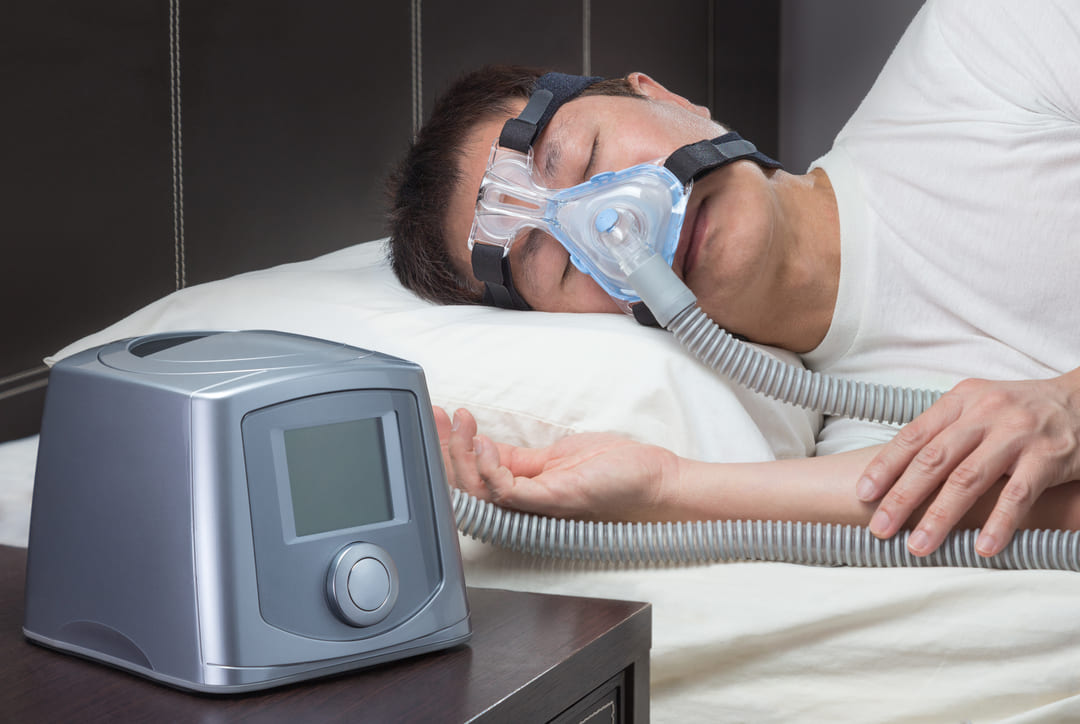
Sleep problems are one of the most common complications of tinnitus. Chronic sleep disruption may worsen or aggravate obstructive sleep apnea (OSA) symptoms.
Research has found that tinnitus is frequently associated with sleep disturbances and insomnia.
When a physician writes a nexus letter for sleep apnea secondary to tinnitus, the letter may explain:
- How tinnitus disrupts sleep patterns
- How chronic sleep disruption aggravates apnea symptoms
- Supporting medical literature connecting tinnitus and sleep disorders
If the VA accepts this connection, sleep apnea may be rated as a secondary condition.
Nexus Letter for Migraines Secondary to Tinnitus
Some veterans with tinnitus also experience chronic headaches or migraines.
A nexus letter for migraines secondary to tinnitus may explain that:
- Tinnitus increases neurological stress
- Sensory processing pathways overlap with migraine triggers
- Chronic tinnitus may aggravate migraine frequency or severity
By referencing peer-reviewed medical literature, physicians can strengthen the connection between these conditions.
Nexus Letter for Depression Secondary to Tinnitus
Living with constant ringing in the ears can take a serious toll on mental health.
Veterans with chronic tinnitus often experience irritability, sleep deprivation, difficulty concentrating, and social withdrawal, which can lead to depression or anxiety.
A nexus letter for depression secondary to tinnitus may explain how persistent auditory symptoms contribute to:
- Sleep disruption
- Reduced quality of life
- Emotional distress
If supported by medical evidence, the VA may grant secondary service connection for depression.
What Makes a Strong Nexus Letter for Tinnitus
Not all nexus letters carry the same weight with the VA.
A strong letter should include clear medical reasoning and supporting evidence.
Most effective nexus letters include:
- The provider’s credentials and medical specialty
- Confirmation that the physician reviewed medical records
- Discussion of the veteran’s military service and noise exposure
- Review of relevant medical research
- Explanation of the medical connection between tinnitus and service
- The VA standard phrase: “It is at least as likely as not (50% or greater probability) that the veteran’s tinnitus was caused by military noise exposure.”
Additional evidence that can strengthen a claim includes:
- Audiology exams
- Hearing loss diagnoses
- Service records showing hazardous noise exposure
- Buddy statements describing symptoms during service
Conclusion
A strong nexus letter for tinnitus can play a crucial role in proving that your condition is connected to military service. It can also help establish secondary conditions such as sleep apnea, migraines, and depression.
When a medical provider clearly explains the connection between your military noise exposure and your current symptoms, it gives the VA the evidence needed to approve service connection.
Medical Evidence Wins VA Claims
Did you know that a lack of medical evidence is the #1 reason VA disability claims are denied?
Medical evidence is a crucial piece of the puzzle that VA raters consider when reviewing a disability claim. Telemedica provides solutions for veterans looking to bolster their claims through high-quality medical evidence (such as DBQs and nexus letters) that win claims!
Schedule your 20-minute consultation call and learn how to get the supporting medical evidence you need to strengthen your claim.
FAQs | Frequently Asked Questions
Do I need a nexus letter for tinnitus?
Not every claim requires a nexus letter. However, a nexus letter can significantly strengthen your case if your service records do not clearly document tinnitus during active duty.
Who can write a nexus letter for tinnitus?
Nexus letters must be written by licensed medical professionals, such as physicians, audiologists, and psychiatrists or psychologists (for secondary mental health conditions).
The provider should review medical records and explain the medical reasoning behind the opinion.
Can tinnitus cause other VA-rated conditions?
Yes. Tinnitus can contribute to several secondary conditions, including sleep apnea, migraines, depression, anxiety, and insomnia.
These conditions may qualify for additional VA disability compensation if medical evidence supports the connection.
What rating does the VA give for tinnitus?
The VA assigns a maximum rating of 10% for tinnitus under Diagnostic Code 6260. However, secondary conditions related to tinnitus may increase a veteran’s overall disability rating.