Category: Physical Conditions

  • VA Secondary Conditions to GERD

    VA Secondary Conditions to GERD

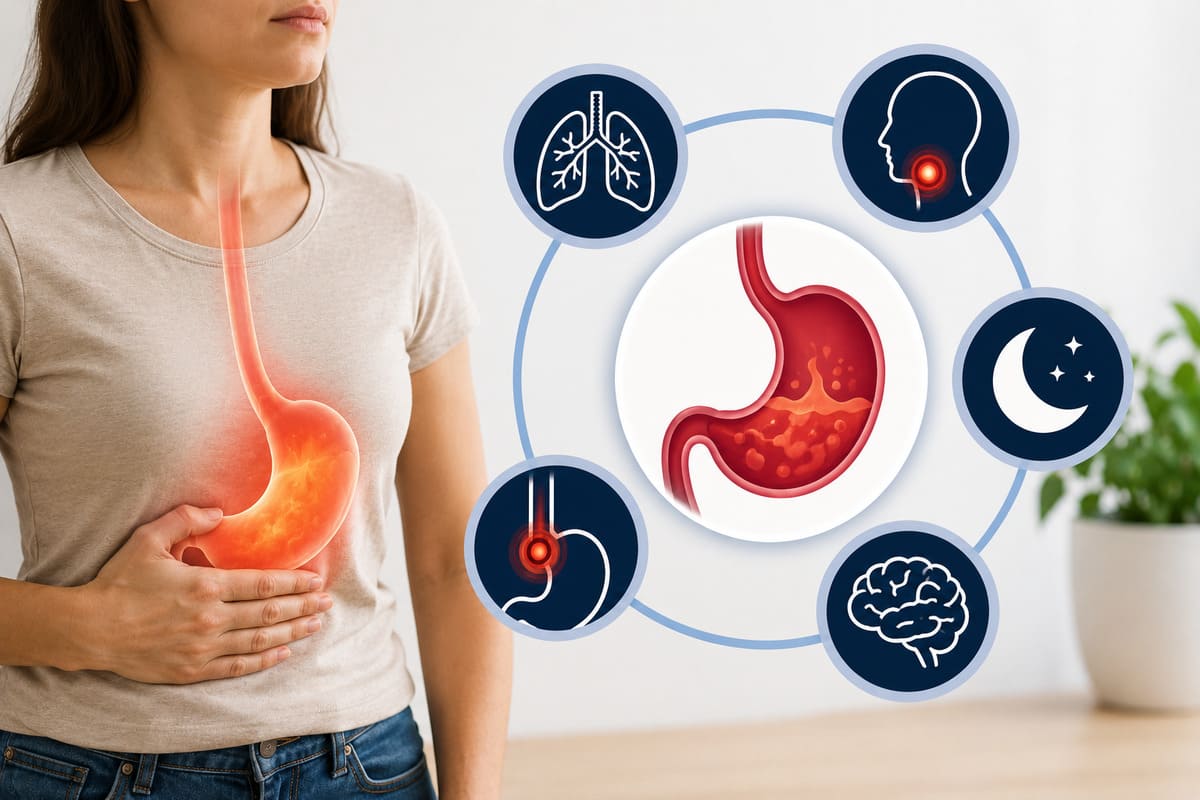
    If you have service-connected gastroesophageal reflux disease (GERD), you may be focused on the symptoms you experience every day: heartburn, regurgitation, chest discomfort, or difficulty sleeping. 

    However, GERD can affect far more than your digestive system. 

    Over time, chronic acid reflux may contribute to additional health conditions involving the esophagus, respiratory system, throat, sleep, and even mental health. In some cases, these conditions may qualify for VA secondary service connection, potentially increasing your overall disability compensation. 

    Understanding common VA secondary conditions to GERD and what evidence the VA requires for secondary service connection can help you increase your combined VA disability rating and benefits.

    Key Takeaways

    • GERD can contribute to secondary conditions affecting the esophagus, respiratory system, sleep, and mental health. 
    • To receive VA compensation for a secondary condition, you must show that your service-connected GERD caused or aggravated another diagnosed disability. 
    • Medical evidence, including treatment records and a well-supported nexus letter, is often critical to proving the connection. 
    • Symptoms alone typically are not enough to prove a secondary condition; the VA generally requires a separate medical diagnosis. 

    Table of Contents

    What Are VA Secondary Conditions to GERD?
    VA Secondary Conditions to GERD.

    A secondary service-connected condition is a disability that develops because of or is worsened by another service-connected disability.

    According to 38 CFR § 3.310, veterans may receive compensation when a service-connected condition causes or aggravates another disability. 

    For example, if you have service-connected GERD and chronic acid exposure causes Barrett’s esophagus or aggravates asthma, those conditions may qualify for secondary service connection if the medical evidence supports the relationship. 

    This differs from direct service connection, where a condition is linked directly to military service. In a secondary claim, the key question is whether the new condition resulted from an already service-connected disability. 

    For a deeper understanding of service connecting secondary conditions, see Telemedica’s guide on Understanding VA Secondary Conditions and How to Prove Service Connection. 

    How GERD Can Affect Other Parts of the Body

    GERD is often thought of as a digestive condition, but chronic reflux can affect multiple body systems. 

    Repeated exposure to stomach acid may damage the esophagus, irritate the throat and vocal cords, contribute to respiratory symptoms, disrupt sleep, and affect overall quality of life.  

    For some veterans, these complications become separate diagnosed conditions that may support secondary service connection.  

    The National Institute of Diabetes and Digestive and Kidney Diseases (NIDDK) notes that untreated GERD can lead to complications both inside and outside the esophagus, including respiratory and throat-related conditions. 

    Common VA Secondary Conditions to GERD

    Not every veteran with GERD develops secondary conditions. However, medical literature has identified several complications that may occur in some individuals with chronic reflux disease. 

    Barrett’s Esophagus

    One of the most well-known complications of GERD is Barrett’s esophagus, which, according to the NIDDK, is when long-term acid exposure causes changes in the cells lining the esophagus. 

    Medical evidence that may support a claim includes: 

    • Endoscopy reports 
    • Pathology findings 
    • Gastroenterology treatment records 
    • Specialist opinions linking the condition to GERD 

    Esophagitis

    Esophagitis is inflammation of the esophagus caused by repeated acid exposure. 

    Symptoms may include painful swallowing, chest discomfort, difficulty eating, and chronic irritation. 

    The American College of Gastroenterology notes that chronic reflux can damage the esophageal lining and contribute to inflammatory changes. 

    Relevant evidence may include endoscopy findings, treatment records, and gastroenterology evaluations. 

    Esophageal Strictures and Dysphagia

    Chronic inflammation can sometimes lead to scar tissue formation within the esophagus. 

    This scarring may narrow the esophagus and create what is known as an esophageal stricture. Veterans with strictures often experience dysphagia, or difficulty swallowing. 

    Evidence may include: 

    • Endoscopy reports 
    • Imaging studies 
    • Swallow studies 
    • Specialist diagnoses 

    Chronic Laryngitis and Voice Disorders

    GERD does not always stop at the esophagus. 

    When acid reaches the throat and vocal cords, it may contribute to laryngopharyngeal reflux, sometimes called “silent reflux.” 

    Reflux reaching the upper airway may cause hoarseness, chronic throat clearing, persistent cough, or voice changes. 

    Asthma and Respiratory Conditions

    Research has identified a relationship between GERD and certain respiratory disorders. 

    According to studies available through PubMed, GERD and asthma share genetic components, and reflux can contribute to airway irritation that may worsen asthma symptoms in some patients. 

    Sleep Disturbances and Insomnia

    Many veterans with GERD experience symptoms that worsen at night. 

    Nocturnal reflux can interrupt sleep repeatedly and contribute to: 

    • Frequent awakenings 
    • Daytime fatigue 
    • Difficulty maintaining sleep 
    • Reduced quality of life 

    A diagnosed insomnia disorder may potentially qualify for secondary service connection if medical evidence demonstrates that GERD caused or aggravated the condition. 

    Anxiety and Depression Secondary to GERD

    One area that is frequently overlooked is the relationship between chronic physical illness and mental health. 

    Living with severe GERD symptoms can affect nearly every aspect of daily life. Persistent discomfort, sleep disruption, dietary restrictions, social limitations, and chronic health concerns can contribute to psychological distress. 

    To support a mental health secondary claim, veterans typically need: 

    • A mental health diagnosis 
    • Treatment records 
    • Evidence showing how GERD contributed to or aggravated the condition 

    Can GERD Medications Cause Secondary Conditions?

    Veterans may manage GERD with proton pump inhibitors (PPIs) such as omeprazole, pantoprazole, and esomeprazole.  

    These medications are generally considered safe and effective, but researchers have studied whether long-term use may be associated with certain health concerns.  

    Because medication-related claims are highly fact-specific, veterans should not assume a side effect automatically qualifies as a secondary condition. A medical provider must be able to explain how the medication contributed to a diagnosed disability. 

    The U.S. Food and Drug Administration (FDA) has issued safety communications regarding several potential risks associated with long-term proton pump inhibitor (PPI) therapy, including low magnesium levels, certain fracture risks, and Clostridioides difficile-associated diarrhea.  

    These warnings do not mean PPIs are unsafe for most veterans, but they highlight the importance of individualized medical evaluation when considering medication-related secondary claims. 

    What Evidence Does the VA Need for a GERD Secondary Claim?

    Successful secondary claims generally require three elements: 

    1. A current diagnosis, and 
    1. Medical evidence and/or medical opinions (e.g., a nexus letter) connecting the condition to your service-connected GERD, and  
    1. Documentation showing the severity of the condition  

    Treatment records from gastroenterologists, pulmonologists, ear, nose, and throat specialists, or mental health providers may all be relevant depending on the disability being claimed.  

    Pro Tip: In many cases, a nexus letter becomes the key piece of evidence because it explains whether GERD caused or aggravated the secondary condition. 

    How a Nexus Letter Can Strengthen a GERD Secondary Claim

    Many secondary claims are denied because the VA does not see enough evidence connecting the two conditions. 

    Common reasons for denial include: 

    • No diagnosis 
    • Inadequate medical rationale 
    • Lack of supporting records 
    • Failure to address aggravation 

    A credible nexus letter can help bridge these gaps. 

    An effective nexus opinion typically: 

    • Reviews your complete medical history 
    • References relevant medical literature 
    • Explains the relationship between GERD and the secondary condition 
    • Uses VA-friendly language and standards 

    Learn more in Telemedica’s guide on How to Get a Nexus Letter. 

    Veterans may also benefit from an Independent Medical Opinion (IMO) when additional clarification is needed regarding causation or aggravation. 

    When Should You Consider a Medical Records Review?

    Many veterans focus exclusively on the condition for which they are already service connected. 

    However, a comprehensive medical records review may reveal additional complications that could support secondary service connection. 

    A medical records review may help identify: 

    • Previously diagnosed secondary conditions 
    • Missing evidence 
    • Potential nexus opportunities 
    • Documentation gaps that could affect your claim 

    >> What is a Medical Records Review and When Do You Need One Before Getting a Nexus Letter? 

    Conclusion

    GERD can be more than a digestive condition. Chronic reflux may contribute to esophageal disorders, respiratory complications, sleep disturbances, and mental health conditions that significantly affect your quality of life. 

    If you believe your service-connected GERD has caused or worsened another diagnosed condition, it may be worth exploring whether secondary service connection is appropriate. Strong medical evidence — including treatment records, specialist evaluations, and a well-supported nexus opinion — can play a critical role in helping the VA understand the connection. 

    Medical Evidence Wins VA Claims

    Insufficient medical evidence is one of the most common reasons VA disability claims are denied. 

    Medical evidence is a crucial piece of the puzzle that VA raters consider when reviewing a disability claim. Telemedica provides solutions for veterans looking to bolster their claims through high-quality medical evidence (such as DBQs and nexus letters) that win claims! 

    Schedule your 20-minute consultation call and learn how to get the supporting medical evidence you need to strengthen your claim. 


    FAQs | Frequently Asked Questions

    Can I receive VA disability benefits for conditions secondary to GERD?

    Yes. If a diagnosed condition was caused or aggravated by your service-connected GERD, it may qualify for secondary service connection. 

    What are the most common VA secondary conditions to GERD?

    Potential secondary conditions include Barrett’s esophagus, esophagitis, esophageal strictures, respiratory conditions, sleep disorders, and certain mental health conditions when supported by medical evidence. 

    Can anxiety be secondary to GERD for VA disability purposes?

    Potentially. If medical evidence demonstrates that GERD caused or aggravated an anxiety disorder, the VA may consider secondary service connection. 

    Can depression be caused by a service-connected GERD condition?

    It may be possible when a qualified medical provider determines that chronic GERD symptoms substantially contributed to or worsened depression. 

    Can sleep apnea be secondary to GERD?

    Research on the relationship between GERD and sleep apnea is ongoing. Each claim must be evaluated based on the veteran’s individual medical evidence. 

    Can asthma be secondary to GERD?

    Some medical research suggests GERD can worsen asthma symptoms. A nexus opinion is often important for establishing the connection. 

    What evidence do I need for a GERD secondary claim?

    Most successful claims include a diagnosis, medical records, and a nexus opinion explaining how GERD caused or aggravated the secondary condition. 

    Do GERD symptoms alone qualify as a secondary condition?

    Generally no. The VA typically requires a separate diagnosed disability rather than symptoms alone. 

    Can side effects from GERD medications support a VA claim?

    Potentially. If treatment for GERD causes a diagnosed condition, medical evidence may support a secondary claim. 

    Do I need a nexus letter for a secondary GERD claim?

    The VA doesn’t require a nexus letter, but it’s highly recommended for secondary service connection. A well-supported nexus letter is often one of the strongest forms of evidence in a secondary service connection claim. Learn more: When Do You Need a Nexus Letter for a VA Claim?

  • VA Disability for Chronic Kidney Disease Secondary to Hypertension

    VA Disability for Chronic Kidney Disease Secondary to Hypertension

    Many veterans develop chronic kidney disease (CKD) because of long-term damage caused by high blood pressure. If your hypertension is already service connected, you may qualify for VA disability benefits for chronic kidney disease as a secondary condition.

    The VA rates chronic kidney disease from 0% to 100% depending on kidney function, glomerular filtration rate (eGFR/GFR) test results, and whether dialysis or a kidney transplant is required. In this guide, we’ll explain how to establish secondary service connection, current VA rating criteria under Diagnostic Code 7540, evidence needed for approval, and how CKD may increase your overall VA disability compensation.

    Key Takeaways

    • Chronic kidney disease can be rated as a secondary service-connected disability if it’s caused or worsened by hypertension. 
    • The VA rates CKD under Diagnostic Code 7540 using eGFR results and overall kidney function.
    • Veterans may receive separate ratings for hypertension and CKD in many cases.
    • A strong nexus letter and supporting medical evidence can help establish service connection.

    Table of Contents

    What is Chronic Kidney Disease?

    VA Disability for Chronic Kidney Disease Secondary to Hypertension.

    Chronic kidney disease occurs when the kidneys gradually lose their ability to filter waste and excess fluids from the blood. The condition often develops slowly and may not cause noticeable symptoms until significant kidney damage has occurred.

    Common symptoms include:

    • Fatigue 
    • Shortness of breath 
    • Swelling in the legs or feet
    • Changes in urination (e.g., increased or decreased frequency, darker or lighter urine color, or blood in the urine)
    • Hypertension (high blood pressure)

    How is CKD Diagnosed?

    The primary test used to evaluate kidney function is the estimated Glomerular Filtration Rate (eGFR). Generally: 

    • eGFR of 60 or higher is considered normal 
    • eGFR below 60 for at least three months may indicate CKD 
    • eGFR below 15 may indicate kidney failure

    Can Hypertension Cause Chronic Kidney Disease?

    Yes. Hypertension is one of the leading causes of chronic kidney disease.

    Over time, high blood pressure damages the small blood vessels inside the kidneys, reducing their ability to filter blood effectively. As kidney function declines, chronic kidney disease can develop and progress. 

    This connection is important for VA disability claims because veterans with service-connected hypertension may qualify for secondary service connection if their high blood pressure caused or worsened their CKD. 

    Chronic Kidney Disease and Military Service

    CKD is not typically a direct result of military service. However, many veterans have service-connected hypertension due to in-service onset or qualifying presumptive exposure categories. 

    When service-connected hypertension causes or aggravates chronic kidney disease, the kidney condition may also become eligible for VA disability benefits through secondary service connection. 

    Presumptive Hypertension and CKD

    If your hypertension is presumptively service connected due to qualifying military service or toxic exposures, CKD may also qualify as a secondary condition when medical evidence shows the hypertension contributed to your kidney disease.

    Learn more about Agent Orange presumptive conditions, Gulf War presumptives, and the PACT Act.

    How the VA Rates Chronic Kidney Disease

    The VA evaluates CKD under diagnostic code 7540, part of the genitourinary system rating schedule (38 CFR § 4.115a).  

    eGFR Level VA Disability Rating 
    60-89 with qualifying findings 0% 
    45-59 30% 
    30-44 60% 
    15-29 80% 
    Under 15, dialysis, or kidney transplant 100% 

    The VA may also consider dialysis requirements, transplant status, and other evidence of kidney dysfunction when assigning a rating.

    Can You Receive Separate VA Ratings for Hypertension and CKD?

    In many cases, yes. 

    Hypertension and chronic kidney disease are generally evaluated under different diagnostic codes because they affect different body systems and produce different symptoms. 

    However, VA anti-pyramiding rules still apply. Veterans cannot be compensated twice for the same symptoms or functional impairment.

    How Much VA Compensation Can CKD Add?

    Adding a CKD rating can significantly increase your overall combined disability rating.

    Depending on the severity of the condition, CKD may receive a rating of:

    • 30%
    • 60%
    • 80%
    • 100%

    Veterans with severe kidney disease may also qualify for:

    • Higher combined disability ratings
    • Total Disability Based on Individual Unemployability (TDIU)
    • Special Monthly Compensation (SMC) in certain circumstances involving dialysis, kidney transplant, or severe impairment

    Proving CKD as a Secondary Condition to Hypertension

    To establish secondary service connection, you generally need: 

    1. A current diagnosis of chronic kidney disease
    2. A service-connected hypertension rating
    3. A medical nexus linking the two conditions

    Medical Evidence That Helps Support Your Claim

    Helpful evidence may include:

    • Nephrologist (kidney specialist) records
    • Primary care treatment records
    • Long-term blood pressure history
    • eGFR test results
    • Creatinine lab results
    • Albuminuria or proteinuria findings
    • Dialysis treatment records
    • Independent medical opinions

    The stronger the medical evidence connecting hypertension to your kidney disease, the stronger your claim may be.

    Nexus Letters for CKD Secondary to Hypertension

    A nexus letter is often one of the most important pieces of evidence in a secondary service connection claim. 

    A strong nexus letter should: 

    • Be written by a licensed medical provider 
    • Review your medical history 
    • Explain how hypertension caused or aggravated your CKD 
    • State that the relationship is “at least as likely as not” 

    A well-supported medical opinion can help bridge the gap between your service-connected hypertension and your current kidney disease diagnosis. 

    Conclusion

    Veterans with service-connected hypertension may also qualify for VA disability benefits for chronic kidney disease when medical evidence shows the two conditions are connected.

    Because CKD can receive ratings as high as 100%, establishing secondary service connection may significantly increase your monthly compensation and overall VA benefits.

    Strong medical evidence, including treatment records, laboratory findings, and a well-supported nexus letter, can help strengthen your claim.

    Medical Evidence Wins VA Claims

    Did you know that a lack of medical evidence is the #1 reason VA disability claims are denied?

    Medical evidence is a crucial piece of the puzzle that VA raters consider when reviewing a disability claim. Telemedica provides solutions for veterans looking to bolster their claims through high-quality medical evidence that wins claims!

    Schedule your 20-minute consultation, get answers for your service-connected disability, and start on your path to well-being.

    Get your high-quality medical evidence from the medical evidence experts!


    FAQs | Frequently Asked Questions

    What VA rating can I get for chronic kidney disease?

    You could receive between 0% and 100% with breaks of 30%, 60%, 80%, depending on your eGFR level and whether you require dialysis or have other qualifying factors.

    Do I need a nexus letter to qualify for chronic kidney disease secondary to hypertension?

    Yes. A nexus letter is often essential for secondary conditions to show the medical relationship between your primary and secondary conditions.

    Telemedica connects veterans with licensed medical professionals who can write customized Nexus Letters for chronic kidney disease and other secondary conditions.

    What is secondary service connection?

    Secondary service connection is when a service-connected condition (like hypertension) caused or worsened a new condition (like chronic kidney disease), making that new condition eligible for VA benefits.

    When does chronic kidney disease reach stage 2?

    Stage 2 is one of several stages of chronic kidney disease involving mildly decreased kidney function. Often, there are no symptoms during this stage, and the condition may not have been diagnosed.

    Can I reverse the progression of chronic kidney disease?

    No. The damage of chronic kidney disease can’t be reversed. Still, its progression can be slowed through healthy lifestyle choices and the management of underlying conditions such as hypertension and diabetes.

    Can hypertension cause chronic kidney disease?

    Yes. Long-term high blood pressure can damage blood vessels in the kidneys, reducing kidney function and potentially leading to chronic kidney disease.

    What evidence does the VA require for CKD secondary to hypertension?

    The VA generally requires:

    • A current CKD diagnosis
    • A service-connected hypertension rating
    • Medical evidence linking the conditions
    • A nexus letter or medical opinion

    Is chronic kidney disease a presumptive VA disability?

    CKD itself is generally not a presumptive condition. However, if a veteran has presumptive service-connected hypertension that later causes CKD, the kidney disease may qualify as a secondary service-connected disability.

    What eGFR qualifies for VA disability?

    An eGFR below 60 mL/min/1.73m² for at least three months may support a compensable CKD rating depending on other medical findings.

    Can kidney disease increase my overall VA disability rating?

    Yes. A separate CKD rating may increase your combined disability rating and monthly compensation.

    Can I receive 100% VA disability for chronic kidney disease?

    Yes. Veterans requiring regular dialysis, qualifying for a kidney transplant, or experiencing severe kidney impairment may qualify for a 100% rating.


  • Sarcoidosis VA Rating and Service Connection Guide

    Sarcoidosis VA Rating and Service Connection Guide

    Sarcoidosis is a complex inflammatory disease that often affects the lungs but can involve multiple organs.  

    Veterans who experience toxic exposure during service, including proximity to burn pits, are at risk of developing this condition. 

    In this guide, we’ll discuss the sarcoidosis VA rating, service connection options, and key considerations under the PACT Act. 

    Key Takeaways

    • Sarcoidosis is a presumptive condition under the PACT Act for veterans exposed to burn pits and other toxic hazards in qualifying locations and time periods. 
    • The VA rates sarcoidosis primarily under diagnostic code (DC) 6846 in the respiratory system schedule, with ratings ranging from 0% to 100% based on pulmonary involvement and treatment needs. 
    • Strong medical evidence, including diagnostic tests and treatment records, is critical. One of the leading causes of claim denials is lack of evidence. 

    Table of Contents

    What is Sarcoidosis?

    Sarcoidosis VA Rating.

    Sarcoidosis is an inflammatory disease in which the immune system forms small clusters of cells, called granulomas, in various organs, most commonly the lungs and lymph nodes. 

    These granulomas cause inflammation and can lead to scarring or organ dysfunction if they persist. The exact cause of sarcoidosis is unknown but likely involves genetic factors and environmental triggers, such as certain chemicals, dust, or infections, that prompt an overactive immune response. 

    Symptoms

    Symptoms of sarcoidosis vary widely depending on affected areas and can include: 

    • Fatigue, fever 
    • Persistent dry cough, chest pain, shortness of breath 
    • Swollen lymph nodes 
    • Weight loss, joint pain, skin rashes 
    • Eye issues, like blurred vision or redness 
    • Heart or nervous system problems, in severe cases 

    Many cases are mild or resolve on their own, but chronic forms of sarcoidosis can cause long-term complications like pulmonary fibrosis or heart issues. 

    Sarcoidosis and Veterans

    Veterans have a higher reported incidence of sarcoidosis compared to the general population, including post-9/11 service members.  

    Environmental exposures during deployment are associated with increased risk. Exposures include: 

    • Burn pits 
    • Dust 
    • Other airborne hazards 

    Studies show veterans may experience more severe or persistent forms of the condition. 

    VA Rating for Sarcoidosis

    The VA evaluates sarcoidosis under 38 CFR § 4.97, Diagnostic Code 6846, focusing on pulmonary (lung) involvement. Ratings range from 0% to 100%, depending on symptom severity, physiologic impairment, and treatment requirements, such as corticosteroid use.  

    If the condition primarily affects other organs (extra-pulmonary involvement), the VA may rate active disease or residuals under DC 6600 (chronic bronchitis) for lungs and separate codes for other systems. 

    Sarcoidosis VA Rating Chart

    Here are the official sarcoidosis VA rating criteria: 

    VA Rating DC 6846 Sarcoidosis, Symptoms 
    100% Cor pulmonale, or cardiac involvement with congestive heart failure, or progressive pulmonary disease with fever, night sweats, and weight loss despite treatment 
    60%  Pulmonary involvement requiring systemic high dose (therapeutic) corticosteroids for control. 
    30% Pulmonary involvement with persistent symptoms requiring chronic low dose (maintenance) or intermittent corticosteroids. 
    0% Chronic hilar adenopathy or stable lung infiltrates without symptoms or physiologic impairment. 

    Note: Rate active disease/residuals as chronic bronchitis (DC 6600) and extra-pulmonary involvement under specific body system involved. 

    Sarcoidosis and the PACT Act

    The Sergeant First Class Heath Robinson Honoring our Promise to Address Comprehensive Toxics (PACT) Act of 2022 expanded VA benefits for toxic exposures, including adding sarcoidosis as a presumptive condition for burn pits and other toxic exposures. 

    This applies to veterans who served in specific locations and periods, such as: 

    • On or after Sept. 11, 2001: Afghanistan, Djibouti, Egypt, Jordan, Lebanon, Syria, Uzbekistan, Yemen, and airspace above any of these locations. 
    • On or after Aug. 2, 1990: Bahrain, Iraq, Kuwait, Oman, Qatar, Saudi Arabia, Somalia, UAE, and the airspace above any of these locations. 

    If you have a current sarcoidosis diagnosis and meet the service requirements (without a dishonorable discharge), the VA presumes service connection — no need to prove the exposure caused the condition. 

    Related: The Complete PACT Act Presumptive Conditions List 

    Establishing Service Connection for Sarcoidosis

    To qualify for VA benefits, you need to show that your condition is related to your military service. If your sarcoidosis isn’t presumptively service connected under the PACT Act, there are additional routes for connection.  

    Direct Service Connection

    The three general requirements for a direct service connection are: 

    1. A current medical diagnosis of sarcoidosis, and 
    1. An in-service event, injury, illness, or aggravation, and 
    1. A medical nexus linking the two (such as a nexus letter) from a medical provider   

    Presumptive Service Connection

    If your service aligns with PACT Act locations and periods, and you have a current diagnosis, the VA presumes direct connection. This streamlines claims significantly. 

    Secondary Connection

    Sarcoidosis can sometimes be claimed as secondary to another service-connected condition if a primary condition aggravates your sarcoidosis, though this is less common.  

    A medical opinion is typically required, and a credible nexus letter can strengthen the claim. 

    Pro Tip: A nexus letter is a powerful tool for establishing the medical link between your current diagnosis and an in-service event. 

    Related: When Do You Need a Nexus Letter for a VA Claim?

    Filling a Claim

    You can file a VA claim for sarcoidosis using VA Form 21-526EZ: 

    • By mail or fax, or 

    Conclusion

    Sarcoidosis can be life-altering, but the VA provides pathways to compensation, especially under the PACT Act.  

    VA ratings for sarcoidosis range from 0% to 100% depending on your symptoms, level of impairment, and required treatments. Accurate ratings depend on detailed medical documentation showing the condition’s severity and impact. 

    Medical Evidence Wins VA Claims

    Insufficient medical evidence is one of the most common reasons VA disability claims are denied.

    Medical evidence is crucial for VA raters reviewing a disability claim.  

    Telemedica provides solutions for veterans looking to bolster their claims through high-quality medical evidence that wins claims!  

    Schedule your 20-minute consultation and learn how to get the supporting medical evidence you need to strengthen your claim.


    FAQs | Frequently Asked Questions

    What is the VA disability rating for sarcoidosis?

    The VA rates sarcoidosis under DC 6846, with possible ratings of 0%, 30%, 60%, or 100% based on pulmonary involvement and treatment needs. 

    Is sarcoidosis a presumptive condition under the PACT Act?

    Yes, sarcoidosis is presumptive for veterans exposed to burn pits or other toxic hazards in qualifying Gulf War-era and post-9/11 locations and time periods. This means the VA assumes service connection if you meet the service criteria. 

    What medical evidence is needed for a sarcoidosis VA claim?

    The key medical evidence in a sarcoidosis VA claim includes a current diagnosis (including biopsy or imaging results), pulmonary function tests, treatment records (especially corticosteroid use), and nexus opinions if not presumptive. 

    Can sarcoidosis that affects other organs receive separate ratings?

    Yes. If sarcoidosis affects organs other than the lungs, such as the eyes, skin, or heart, residuals may be rated under the affected body system’s diagnostic codes. 

    How do I file a claim for sarcoidosis VA benefits?

    You can file a claim for sarcoidosis VA benefits online, or you can print out the VA Form-21526EZ to submit by mail, fax, or in person at a regional office. Along with the form, you’ll also want to include medical records and service history to support presumptive or direct service connection.

  • How to Claim a Mental Health Condition Secondary to a Physical Disability

    How to Claim a Mental Health Condition Secondary to a Physical Disability

    If you have a service-connected physical condition and also struggle with depression, anxiety, or other mental health issues, you may be eligible for additional compensation. 

    Secondary service connection means that an already service-connected condition causes or aggravates another condition. For example, the stress of living with chronic pain, physical limitations, sleep disturbances, or reduced quality of life can lead to mental health conditions. 

    Understanding how to prove a mental health condition secondary to a physical disability could significantly increase your overall VA disability rating and monthly compensation. 

    Key Takeaways

    • You can receive VA disability benefits for a mental health condition that is caused or aggravated by a service-connected physical disability. 
    • Depression and anxiety secondary to chronic pain are among the most overlooked secondary VA claims. 
    • Strong medical evidence, including a nexus letter and medical opinion, is often the key to establishing secondary service connection. 

    Table of Contents

    Can I Claim a Mental Health Condition Secondary to a Physical Disability?

    Mental Health Secondary to Physical Disability.

    Yes, the VA allows veterans to establish secondary service connection when a service-connected condition causes or aggravates another disability. 

    This means that if your physical disability contributes to depression, anxiety, adjustment disorder, or another mental health condition, you may qualify for additional compensation. 

    Common examples include: 

    • Depression secondary to chronic back pain 
    • Anxiety secondary to migraines 
    • Depression secondary to knee injuries 
    • Mental health conditions related to traumatic brain injury (TBI) 
    • Depression secondary to degenerative arthritis 
    • Anxiety caused by chronic pain and physical limitations 

    Many veterans spend years focusing on their physical symptoms without realizing that the emotional and psychological effects of those conditions may also be compensable. 

    The VA recognizes that chronic pain can affect nearly every aspect of daily life, including sleep, employment, relationships, social functioning, and overall mental health. 

    How Chronic Pain Can Lead to Depression and Anxiety

    Research consistently shows a strong connection between chronic pain and mental health disorders. 

    According to the VA, chronic pain can affect sleep, mood, energy levels, relationships, and daily activities. Chronic pain may lead to depression and anxiety, which can make coping with pain more difficult, creating a cycle that negatively affects overall health and quality of life. 

    Veterans living with chronic pain often experience: 

    • Sleep disturbances 
    • Reduced physical activity 
    • Social isolation 
    • Difficulty maintaining employment 
    • Loss of independence 
    • Increased stress and frustration 

    Over time, these challenges can contribute to symptoms such as: 

    • Persistent sadness 
    • Loss of interest in activities 
    • Feelings of hopelessness 
    • Irritability 
    • Anxiety and excessive worry 
    • Difficulty concentrating 

    When these symptoms develop into a diagnosable mental health condition, veterans may qualify for secondary service connection. 

    Common Physical Disabilities That Lead to Secondary Mental Health Claims

    Although any service-connected disability may potentially contribute to a mental health condition, some conditions appear frequently in successful secondary claims.

    Musculoskeletal Conditions

    Veterans with chronic back pain, neck pain, knee injuries, hip conditions, shoulder injuries, and arthritis often experience significant functional limitations that contribute to depression and anxiety. 

    Tinnitus

    Tinnitus can lead to depression. Veterans whose depression is caused by service-connected tinnitus may qualify for a VA rating for depression (secondary to tinnitus). Related: How a Nexus Letter for Depression Secondary to Tinnitus Can Strengthen Your Claim

    Migraines

    Severe migraines can interfere with work, family responsibilities, and daily functioning, creating significant emotional distress. Related: 6 VA Secondary Conditions to migraines.

    Chronic Pain

    Conditions involving ongoing pain frequently serve as the foundation for secondary mental health claims because of the substantial impact pain has on everyday life. 

    Traumatic Brain Injury (TBI)

    TBI can affect cognition, mood regulation, emotional control, and overall quality of life. Many veterans with TBI develop secondary mental health conditions that require independent evaluation. 

    What Does the VA Need to Approve a Secondary Mental Health Claim?

    To establish secondary service connection, the VA generally looks for three elements: 

    Requirement Description 
    Current Diagnosis A diagnosed mental health condition such as depression, anxiety, or adjustment disorder 
    Primary Service-Connected Condition An existing service-connected disability 
    Medical Nexus Medical evidence showing the primary disability caused or aggravated the secondary condition 

    The nexus is often the most important part of the claim. 

    Without a medical opinion connecting the two conditions, many veterans struggle to prove the relationship between chronic pain and mental health symptoms. 

    The Importance of a Strong Nexus Letter

    A nexus letter is a medical opinion written by a qualified healthcare provider explaining how one condition caused or aggravated another. 

    For secondary mental health claims, a credible nexus letter should explain: 

    • The veteran’s medical history 
    • The severity of the physical condition 
    • How chronic pain or functional limitations affect daily life 
    • The development of mental health symptoms 
    • Why the mental health condition is at least as likely as not related to the service-connected disability 

    A well-supported nexus opinion can help bridge the gap between your physical disability and your mental health diagnosis. 

    Learn more about How to Get a Nexus Letter and how it can strengthen your VA claim. 

    How the VA Rates Depression Secondary to Chronic Pain

    There is no separate VA rating specifically for depression secondary to chronic pain. 

    Instead, the VA evaluates mental health conditions using the General Rating Formula for Mental Disorders under 38 CFR § 4.130. 

    Possible ratings for depression include: 

    VA Rating General Level of Occupational and Social Impairment 
    0% Diagnosis present but symptoms do not impair functioning 
    10% Mild symptoms 
    30% Occasional decrease in work efficiency 
    50% Reduced reliability and productivity 
    70% Deficiencies in most areas of life 
    100% Total occupational and social impairment 

    Many veterans searching for a VA depression secondary to chronic pain rating are surprised to learn that the rating is based on symptom severity rather than the underlying physical condition. 

    A veteran with severe depression related to chronic pain may qualify for a 70% or even 100% mental health rating depending on the level of impairment.

    >> View the Full Guide to VA Ratings for Depression 

    Signs You May Have a Secondary Mental Health Condition

    You may want to explore a secondary mental health claim if your service-connected condition has led to: 

    • Chronic sadness or depression 
    • Increased anxiety 
    • Panic attacks 
    • Sleep problems 
    • Social withdrawal 
    • Irritability 
    • Difficulty maintaining relationships 
    • Reduced work performance 
    • Loss of motivation 

    Medical Evidence Wins VA Claims

    Did you know that a lack of medical evidence is the #1 reason VA disability claims are denied?   

    Medical evidence is a crucial piece of the puzzle that VA raters consider when reviewing a disability claim. Telemedica provides solutions for veterans looking to bolster their claims through high-quality medical evidence (such as DBQs and nexus letters) that win claims!    

    Schedule your 20-minute consultation call and learn how to get the supporting medical evidence you need to strengthen your claim.

    Conclusion

    Many veterans focus on proving their physical disability while overlooking the mental health impact that disability has created. 

    If chronic pain, physical limitations, migraines, TBI, or another service-connected condition has caused or aggravated depression, anxiety, or another mental health disorder, you may be eligible for secondary service connection. 

    Understanding how to establish a mental health condition secondary to a physical disability could help you obtain the compensation and recognition your condition deserves. The key is strong medical evidence that clearly connects the two conditions. 

    FAQs | Frequently Asked Questions

    Can I receive VA disability for depression secondary to chronic pain?

    Yes. If your chronic pain stems from a service-connected condition and contributes to a diagnosed depressive disorder, you may qualify for secondary service connection. 

    Do I need a nexus letter for depression secondary to chronic pain?

    The VA doesn’t require nexus letters but a credible nexus letter for secondary service connection is highly recommended. A credible nexus letter often improves your chances of proving the connection between your physical disability and your mental health condition. Find Nexus Letter Doctors Near Me

    What VA rating can I receive for depression secondary to chronic pain?

    The VA evaluates mental health conditions under the General Rating Formula for Mental Disorders. Ratings range from 0% to 100% depending on symptom severity and impairment. 

    Can anxiety be secondary to a physical disability?

    Yes. Anxiety disorders may qualify for secondary service connection when medical evidence shows they were caused or aggravated by a service-connected physical condition. 

    Can TBI cause secondary mental health conditions?

    Yes. Many veterans with traumatic brain injuries develop depression, anxiety, mood disorders, or other mental health conditions that may qualify for secondary service connection. 

    What evidence is most important for a secondary mental health claim?

    The strongest claims typically include a current diagnosis, evidence of a service-connected physical disability, treatment records, and a well-supported medical nexus letter connecting the conditions. 

  • VA Secondary Conditions to Hip Pain and How to Prove Service Connection 

    VA Secondary Conditions to Hip Pain and How to Prove Service Connection 

    Hip pain can affect nearly every aspect of your life, from walking and standing to sleeping and working.

    For many veterans, a service-connected hip condition doesn’t exist in isolation. Over time, chronic hip pain can change the way you move, place additional stress on other parts of the body, and contribute to physical and mental health conditions that may qualify for additional VA disability compensation.

    If your service-connected hip condition has caused or aggravated another disability, you may be eligible to file a secondary claim. Understanding the most common VA secondary conditions to hip pain can help you identify potential benefits and build a stronger case with the right medical evidence.

    Key Takeaways

    • The VA may grant secondary service connection when a service-connected hip condition causes or aggravates another disability.
    • Common VA secondary conditions to hip pain include lower back conditions, knee pain, sciatica, insomnia, and mental health disorders.
    • Each approved secondary condition receives its own VA disability rating.
    • Medical evidence, including nexus letters and Disability Benefits Questionnaires (DBQs), can play a critical role in proving secondary service connection.

    Table of Contents

    What Are the Most Common VA Secondary Conditions to Hip Pain?

    va secondary conditions to hip pain

    Veterans may qualify for secondary service connection when a service-connected hip condition causes or worsens another disability.

    Some of the most common VA secondary conditions to hip pain include:

    • Lower back pain and lumbar spine conditions
    • Knee pain and knee arthritis
    • Sciatica and radiculopathy
    • Opposite hip conditions
    • Insomnia and sleep disturbances
    • Depression and anxiety

    Because hip conditions often affect the body’s movement patterns, they can create a chain reaction that impacts multiple joints, nerves, and body systems.

    Secondary ConditionCommon Connection to Hip Pain
    Lower back painAltered gait changes spinal mechanics
    Knee conditionsIncreased stress on knee joints
    SciaticaNerve irritation associated with altered movement or spine issues
    Opposite hip painCompensatory weight shifting
    InsomniaChronic pain disrupts sleep
    Depression and anxietyLong-term pain affects mental health and daily functioning

    How Does Hip Pain Cause Other VA Disabilities?

    Hip conditions frequently affect the body’s kinetic chain, which refers to the interconnected system of joints, muscles, and nerves that work together during movement. 

    When one hip becomes painful, veterans often unconsciously change how they walk, stand, sit, or carry weight.  

    Under 38 C.F.R. § 3.310, the VA may grant service connection for disabilities that are caused or aggravated by an already service-connected condition. 

    Physical Secondary Conditions to Hip Pain

    Lower Back Pain and Lumbar Spine Conditions

    Lower back conditions are among the most common secondary claims related to hip pain.

    When hip pain alters your gait or posture, it can increase stress on the lumbar spine and surrounding structures. Over time, this may contribute to:

    • Lumbar strain
    • Degenerative disc disease
    • Degenerative arthritis
    • Sacroiliac joint dysfunction

    Many veterans experience both hip and back pain simultaneously because the two areas work closely together during movement.

    Knee Conditions

    The hips help absorb force and maintain proper alignment during walking and standing.

    When one hip becomes painful, additional pressure is often transferred to the knees, potentially contributing to:

    • Knee strain
    • Chronic knee pain
    • Meniscus injuries
    • Degenerative arthritis

    Medical records documenting gait abnormalities can be particularly helpful when pursuing these claims.

    Sciatica and Radiculopathy

    Hip conditions may contribute to nerve-related symptoms, particularly when associated with lower back problems.

    Symptoms may include:

    • Burning pain
    • Numbness
    • Tingling
    • Weakness in the legs

    Depending on the diagnosis, sciatica or radiculopathy may qualify as separate compensable disabilities.

    Opposite Hip Conditions

    Many veterans unknowingly place additional stress on the unaffected hip while compensating for pain in the service-connected hip.

    Over time, this can contribute to:

    • Arthritis
    • Reduced mobility
    • Joint degeneration

    When medical evidence demonstrates that one hip condition contributed to another, secondary service connection may be possible.

    Mental Health Secondary Conditions to Hip Pain

    Chronic pain affects more than just the body.

    Research and VA guidance recognize that ongoing pain can significantly impact emotional well-being and daily functioning.

    Veterans with chronic hip pain may develop:

    • Adjustment disorder
    • Mood disturbances

    The VA’s Whole Health program notes that chronic pain frequently affects mental health, sleep, relationships, and quality of life.

    Mental health conditions secondary to orthopedic disabilities are commonly approved when supported by adequate medical evidence.

    Sleep-Related Secondary Conditions to Hip Pain

    Many veterans struggle to sleep because of chronic hip pain.

    Pain can make it difficult to:

    • Fall asleep
    • Stay asleep
    • Find a comfortable sleeping position
    • Achieve restorative sleep

    Over time, sleep disturbances may lead to chronic insomnia and other functional impairments.

    When supported by medical evidence, sleep-related conditions may qualify as secondary disabilities.

    What Evidence Do You Need to Prove VA Secondary Conditions to Hip Pain?

    Successful secondary claims typically require three key elements.

    1. A current diagnosis: The condition must be diagnosed by a qualified healthcare provider.

    2. A service-connected hip condition: The VA must already recognize the hip disability as service connected.

    3. Medical evidence linking the conditions: The strongest evidence often includes:

    • Imaging studies
    • Specialist evaluations
    • Independent Medical Opinions (IMOs)

    The goal is to demonstrate that the service-connected hip condition either caused or aggravated the secondary disability.

    Why a Nexus Letter Can Make or Break a Secondary Claim

    Many secondary claims are denied because the relationship between conditions is not clearly explained.

    A nexus letter is a medical opinion that connects your secondary condition to your service-connected disability. A strong nexus letter should explain:

    • Your diagnoses
    • Relevant medical history
    • Supporting medical literature
    • How the hip condition caused or aggravated the secondary condition

    For many veterans, a well-supported nexus opinion can be the difference between approval and denial.

    Learn more about how to obtain nexus letters and DBQs.

    How the VA Rates Secondary Conditions to Hip Pain

    The VA does not assign one rating for all secondary disabilities. 

    Rather, each approved condition receives its own disability evaluation under the VA Schedule for Rating Disabilities.

    Examples include:

    • Lumbar spine ratings for back conditions
    • Neurological ratings for sciatica
    • Mental health ratings for depression or anxiety
    • Orthopedic ratings for knee conditions

    These ratings are then combined using VA math to determine overall compensation.

    While every claim depends on the facts and medical evidence, some of the most frequently approved secondary conditions include:

    1. Lower back pain
    1. Knee conditions
    1. Sciatica and radiculopathy
    1. Depression and anxiety
    1. Insomnia
    1. Opposite hip conditions

    Veterans who experience symptoms beyond their primary hip condition should consider whether those conditions may also be connected to service.

    FAQs | Frequently Asked Questions

    Can hip pain cause secondary back problems for VA disability?

    Yes. Altered gait and posture caused by hip pain can increase stress on the lumbar spine and contribute to chronic back conditions.

    Can I claim depression secondary to hip pain?

    Yes. Depression, anxiety, and other mental health conditions may qualify for secondary service connection when medical evidence shows they were caused or aggravated by chronic hip pain.

    Can insomnia be secondary to hip pain?

    Yes. Chronic pain frequently interferes with sleep. If medical evidence links insomnia to a service-connected hip condition, secondary service connection may be possible.

    Do I need a nexus letter for a secondary claim?

    A nexus letter is not always required, but it is often one of the strongest forms of evidence available for proving secondary service connection.

    What is the most common VA secondary condition to hip pain?

    Lower back conditions and knee conditions are among the most claimed secondary disabilities because altered gait mechanics often affect both areas.

    Can one hip condition cause problems in the opposite hip?

    Yes. Compensating for pain in one hip can place additional stress on the opposite hip, potentially leading to pain, arthritis, or other orthopedic conditions.

    For additional guidance, explore:

    Conclusion

    VA secondary conditions to hip pain are often overlooked, but they can have a significant impact on both your health and your disability compensation.

    Conditions affecting the back, knees, nerves, sleep, and mental health may all qualify for secondary service connection when supported by the proper medical evidence.

    If you are considering filing a secondary claim, obtaining a thorough medical evaluation and a strong nexus opinion can help the VA understand the full impact of your service-connected hip condition.

    Medical Evidence Wins VA Claims

    Did you know that a lack of medical evidence is the #1 reason VA disability claims are denied?

    Medical evidence is a crucial piece of the puzzle that VA raters consider when reviewing a disability claim. Telemedica provides solutions for veterans looking to bolster their claims through high-quality medical evidence that wins claims.

    Schedule your 20-minute consultation and learn how to get the supporting medical evidence you need to strengthen your claim.

  • Astigmatism VA Rating and Service Connection Explained

    Astigmatism VA Rating and Service Connection Explained

    If you’re experiencing vision issues connected to your military service, you may be wondering how the VA rates eye conditions, like astigmatism. The VA rating for astigmatism can be confusing because the Department of Veterans Affairs usually considers astigmatism a refractive error, which is not typically rated as a disability. 

    However, compensation may still be possible when astigmatism is caused or worsened by a service-connected eye condition, injury, or surgery. In those cases, the VA evaluates the resulting vision impairment under the VA Schedule for Rating Disabilities. 

    Understanding when astigmatism can qualify for compensation and what medical evidence supports a claim can help you make more informed decisions about your VA benefits. 

    Key Takeaways

    • The VA typically does not assign a disability rating for astigmatism alone because it is considered a refractive error. 
    • A VA rating for astigmatism may be possible when the condition results from service-connected eye trauma, disease, or surgery. 
    • The VA evaluates vision conditions based on visual acuity loss, visual field loss, and other eye impairments under the VA rating schedule. 
    • Strong medical evidence — such as eye exams, nexus letters, and DBQs — can help support an astigmatism VA disability rating claim. 

    Table of Contents

    What is Astigmatism?

    astigmatism VA rating.

    According to the National Eye Institute, astigmatism is a common eye condition that occurs when the cornea or lens has an irregular shape. Instead of being round like a basketball, the surface of the eye is shaped more like a football. 

    This irregular curvature causes light to focus unevenly on the retina, which can lead to: 

    • Blurred or distorted vision 
    • Eye strain 
    • Headaches 
    • Difficulty seeing clearly at night 
    • Squinting to focus 

    Astigmatism often occurs alongside other refractive errors like nearsightedness (myopia) or farsightedness (hyperopia). 

    Astigmatism VA Rating

    The VA rating for astigmatism depends on the cause of the condition and how much it affects your vision. 

    • Astigmatism alone usually does not receive a VA disability rating because it is classified as a refractive error. 
    • However, the VA may grant compensation if astigmatism is caused or worsened by a service-connected eye disease, injury, or surgery. 
    • In these cases, the VA rates the resulting vision impairment under the eye conditions section of the VA Schedule for Rating Disabilities. 

    Because of this rule, most astigmatism VA disability rating claims depend on proving that the condition is linked to another service-connected eye condition.  

    Why the VA Usually Does Not Assign an Astigmatism VA Rating

    The VA generally does not award disability compensation for refractive errors of the eye. 

    Under 38 CFR §4.9, refractive errors are considered congenital or developmental conditions, not disabilities caused by military service. 

    This category includes: 

    • Astigmatism 
    • Myopia (nearsightedness) 
    • Hyperopia (farsightedness) 
    • Presbyopia (focus issues related to aging) 

    Because these conditions are often correctable with glasses or contact lenses, the VA usually considers them non-compensable. 

    However, if another service-connected condition caused or worsened your astigmatism, compensation may still be possible. 

    When a VA Rating for Astigmatism May Be Possible

    The VA may grant an astigmatism VA disability rating when the condition is linked to a service-connected disease, injury, or medical procedure. 

    Examples include: 

    • Eye trauma during military service 
    • Corneal scarring 
    • Keratoconus 
    • Post-surgical complications from eye procedures 
    • Traumatic brain injury (TBI) affecting vision 

    In these cases, the VA evaluates the underlying eye condition and the resulting visual impairment. 

    For example, a veteran with keratoconus may develop severe irregular astigmatism that significantly reduces vision. The VA may assign a disability rating based on the loss of visual acuity or visual field, not the astigmatism alone. 

    Eye Conditions That May Lead to an Astigmatism VA Disability Rating

    Condition How It Can Cause Astigmatism 
    Keratoconus The cornea becomes cone-shaped and irregular 
    Corneal scarring Scars distort the shape of the cornea 
    Eye trauma Injuries can permanently alter eye structure 
    Surgical complications Procedures may change corneal curvature 
    Degenerative eye disease Disease processes can distort the cornea 

    If one of these conditions is connected to military service, the resulting vision problems may qualify for compensation. 

    How the VA Actually Rates Vision Loss

    The VA evaluates eye conditions under 38 CFR §4.79, which covers diseases of the eye and visual impairment. 

    Instead of rating astigmatism directly, the VA looks at how the condition affects your ability to see. 

    The VA may evaluate: 

    • Visual acuity (clarity of vision) 
    • Visual field loss (peripheral vision) 
    • Muscle dysfunction 
    • Eye diseases or injuries 

    General Rating Formula for Diseases of the Eye Rating Chart

    Evaluate on the basis of either visual impairment due to the particular condition or on incapacitating episodes, whichever results in a higher evaluation. 

    VA Rating Symptoms 
    60% With documented incapacitating episodes requiring 7 or more treatment visits for an eye condition during the past 12 months  
    40% With documented incapacitating episodes requiring at least 5 but less than 7 treatment visits for an eye condition during the past 12 months  
    20% With documented incapacitating episodes requiring at least 3 but less than 5 treatment visits for an eye condition during the past 12 months 
    10% With documented incapacitating episodes requiring at least 1 but less than 3 treatment visits for an eye condition during the past 12 months 
    Note (1): For the purposes of evaluation under 38 CFR 4.79, an incapacitating episode is an eye condition severe enough to require a clinic visit to a provider specifically for treatment purposes Note (2): Examples of treatment may include but are not limited to: Systemic immunosuppressants or biologic agents; intravitreal or periocular injections; laser treatments; or other surgical interventions Note (3): For the purposes of evaluating visual impairment due to the particular condition, refer to 38 CFR 4.75-4.78 and to § 4.79, diagnostic codes 6061-6091 

    Regular Astigmatism Bilateral VA Rating

    When it comes to a regular astigmatism bilateral VA rating, meaning astigmatism affecting both eyes, the VA generally treats it the same as unilateral astigmatism: 

    • It is usually classified as a refractive error 
    • It does not receive a standalone disability rating 

    That said, bilateral vision problems may still affect your claim if: 

    • The condition was caused by eye trauma or disease during service 
    • Vision loss persists even with corrective lenses 
    • Another service-connected eye condition is present 

    In those cases, the VA evaluates the overall vision impairment in both eyes, which may result in a higher rating. 

    How to Prove Astigmatism Is Service Connected

    To receive disability compensation, the VA generally requires three elements to prove direct, or primary, service connection. 

    1. A current medical diagnosis, and  
    1. An in-service event, injury, illness, or aggravation, and  
    1. A medical nexus (i.e., link) between the two, such as a nexus letter. 

    Can Astigmatism Be Secondary to Another VA Disability?

    Yes. In most cases, astigmatism can only qualify for VA disability compensation when it develops because of another service-connected eye condition, injury, or disease. 

    This is known as secondary service connection, which occurs when one service-connected condition causes or worsens another medical condition. 

    Examples that may lead to secondary astigmatism include: 

    • Corneal scarring from eye trauma 
    • Keratoconus 
    • Complications from eye surgery 
    • Traumatic brain injury affecting vision 

    When this happens, the VA typically rates the underlying eye condition and the resulting vision impairment, rather than the astigmatism itself. 

    Pro Tip: A nexus letter can be a powerful addition to your claim – especially when it comes to proving secondary service connection.

    How to File a VA Claim for Vision Problems

    If you believe your astigmatism is connected to service, either directly or secondarily, you may be able to file a disability claim. 

    Step 1: Gather Medical Evidence 

    Collect documentation showing: 

    • Your diagnosis 
    • Service records related to the condition 
    • Medical evidence connecting the condition to service 

    Step 2: Submit Your Claim 

    You can file a claim through the U.S. Department of Veterans Affairs using the VA’s online claims portal. You can also download the form and submit it through mail, fax, or in person at a regional VA office.  

    Step 3: Attend a C&P Exam 

    The VA may schedule a compensation and pension (C&P) exam to evaluate your vision condition. 

    During this exam, the examiner may test: 

    • Visual acuity 
    • Visual field loss 
    • Eye structure and function 

    Medical Evidence That Can Support an Astigmatism VA Disability Rating

    Because the VA often classifies astigmatism as a refractive error, medical evidence is critical when pursuing compensation. 

    Helpful documentation may include: 

    • Comprehensive eye examinations 
    • Visual acuity and visual field testing 
    • Corneal imaging or topography 
    • Surgical records 
    • Medical opinions linking the condition to service 

    One of the most important pieces of evidence is a nexus letter, which explains how a medical condition is related to military service. 

    A disability benefits questionnaire (DBQ) may also help document the severity of your vision condition. 

    Medical Evidence Wins VA Claims

    Did you know that a lack of medical evidence is the #1 reason VA disability claims are denied?  

    Medical evidence is a crucial piece of the puzzle that VA raters consider when reviewing a disability claim. Telemedica provides solutions for veterans looking to bolster their claims through high-quality medical evidence (such as DBQs and nexus letters) that win claims!   

    Schedule your 20-minute consultation call and learn how to get the supporting medical evidence you need to strengthen your claim. 

    Conclusion

    Astigmatism VA ratings can be confusing because the VA usually classifies astigmatism as a refractive error rather than a compensable disability. 

    However, veterans may still qualify for compensation when the condition results from service-connected trauma, disease, or surgery. 

    In those situations, the VA rating for astigmatism is typically based on the resulting vision impairment or underlying eye condition, not the refractive error itself. 

    If your vision problems began during military service or worsened because of another service-connected condition, obtaining strong medical documentation — including nexus letters and DBQs — can significantly strengthen your claim. 

    FAQs | Frequently Asked Questions

    Can you get a VA disability rating for astigmatism?

    In most cases, astigmatism alone does not receive a disability rating because the VA considers it a refractive error. However, compensation may be possible if the condition is caused by a service-connected eye injury, disease, or surgical complication. 

    What is the VA rating for astigmatism?

    There is no specific rating assigned solely for astigmatism. Instead, the VA rates the resulting vision impairment, such as reduced visual acuity or visual field loss, under the VA eye rating schedule. 

    Does bilateral astigmatism qualify for VA disability?

    Bilateral astigmatism does not automatically qualify for disability compensation. The VA will only assign a rating if the condition is connected to a service-related eye condition or causes measurable vision impairment. 

    Can astigmatism be service connected?

    Yes, astigmatism can be service connected when it results from eye trauma, disease, or surgery that occurred during military service. In these situations, the VA may grant compensation based on the level of vision loss caused by the underlying condition. 

    Astigmatism is more often rated as a secondary service connection, meaning the condition was caused or aggravated by another service-connected condition. 

    What evidence helps with an astigmatism VA disability rating claim?

    Helpful evidence may include eye exams showing vision loss, corneal imaging and visual field tests, records of eye injuries during service, surgical or treatment records, or a medical nexus letter linking the condition to service. 

  • Ankle Pain VA Rating from 10 to 40 Percent Explained

    Ankle Pain VA Rating from 10 to 40 Percent Explained

    Ankle injuries are common among veterans and can lead to chronic pain, instability, and limited mobility. When ankle conditions are connected to military service, veterans may qualify for monthly compensation through the VA.

    A VA disability rating for ankle pain depends primarily on how much the condition limits ankle movement and overall function.

    In this post, we’ll discuss the ankle pain VA ratings, disability percentages for ankle conditions, and how strong medical evidence has the potential to increase your VA rating.

    What Is an Ankle Pain VA Rating?

    The ankle pain VA rating is the disability percentage the Department of Veterans Affairs assigns to service-connected ankle conditions. Ratings typically range from 0% to 40%, depending on range of motion, joint stability, ankylosis, and functional limitations such as pain during movement.

    Key Takeaways

    • The VA rating for ankle pain typically ranges from 10% to 20% for limited motion.
    • The highest VA disability rating for ankle pain is usually 40%, which occurs when the ankle joint becomes severely ankylosed (fused or stiff).
    • The VA evaluates ankle conditions using diagnostic codes 5270–5274 in the musculoskeletal rating schedule.
    • Veterans with injuries affecting both ankles may qualify for a bilateral ankle pain VA rating, which increases the combined disability rating.

    Table of Contents

    How the VA Determines a VA Rating for Ankle Pain

    ankle pain va rating

    The VA evaluates ankle disabilities using the VA Schedule for Rating Disabilities, which assigns percentages based on functional impairment.

    Musculoskeletal disabilities are evaluated based on:

    • Loss of motion
    • Pain during movement
    • Weakness or instability
    • Impact on normal daily activities

    The more a condition limits mobility and daily functioning, the higher the disability rating may be.

    Symptoms That May Support a VA Rating for Ankle Pain

    Common symptoms that may support a VA disability rating include:

    • Persistent ankle pain
    • Swelling or inflammation
    • Joint instability
    • Reduced range of motion
    • Difficulty standing or walking
    • Recurrent ankle sprains

    During a compensation and pension (C&P) exam, providers often document these symptoms when determining the severity of the condition.

    VA Diagnostic Codes for Ankle Conditions

    The VA uses several diagnostic codes (DCs) to evaluate ankle injuries as defined in the VA  musculoskeletal rating schedule.

    Diagnostic Code Condition Possible Rating 
    DC 5270 Ankylosis of the ankle 20% – 40% 
    DC 5271 Limited motion of the ankle 10% – 20% 
    DC 5272 Ankylosis of the subastragalar or tarsal joint 10% – 20% 
    DC 5273 Malunion of calcaneus or talus 10% – 20% 
    DC 5274 Astragalectomy 20% 

    Note: For an ankle replacement (DC 5056), the rating is 100% for one year following surgery. After that, you’re generally evaluated under DCs 5270, 5271, or 5274, depending on the post-surgical range of motion and functional limitations. 

    Other VA Diagnostic Codes That May Affect the Ankle

    Although most ankle injuries are rated under DCs 5270 to 5274, some systemic conditions that affect joints throughout the body may also involve the ankle.

    Examples include osteomyelitis (bone infection; DC 5000), rheumatoid arthritis (DC 5002), degenerative arthritis (DC 5003), and gout (DC 5017).

    If one of these conditions affects the ankle joint and is connected to military service, the VA may evaluate the disability using the appropriate diagnostic code under the musculoskeletal rating schedule.

    VA Rating for Limited Motion of the Ankle

    Many veterans with ankle injuries receive ratings under DC 5271, which evaluates limited ankle motion. The ratings are 10% for moderate limitation of motion and 20% for marked limitation of motion.

    Limited motion can result from conditions such as:

    • Chronic ankle sprains
    • Ligament damage
    • Post-traumatic arthritis
    • Tendon injuries
    • Fractures

    The VA also considers pain and functional loss when evaluating joint conditions.

    Range of Motion Measurements Used in VA Exams

    During a C&P exam, the provider uses a device called a goniometer to measure ankle movement.

    The VA compares the results to normal motion levels defined in 38 CFR § 4.71a.

    Normal ankle range of motion:

    Movement Normal Range 
    Dorsiflexion (upward movement) 0° to 20° 
    Plantar flexion (downward movement) 0° to 45° 

    If motion is significantly limited or painful, the VA may assign a higher disability rating.

    Highest VA Disability Rating for Ankle Pain

    The highest VA disability rating for ankle pain usually occurs when the ankle joint becomes ankylosed, meaning it is fixed in position.

    Ankylosis (DC 5270) VA Rating 
    Plantar flexion less than 30° 20% 
    Plantar flexion between 30°–40° 30% 
    Severe deformity or plantar flexion over 40° 40% 

    A 40% rating is typically the highest schedular rating for an ankle disability.

    However, veterans may receive higher overall compensation if they have multiple service-connected disabilities.

    Bilateral Ankle Pain VA Rating

    If both ankles are service connected, the VA may apply the bilateral factor, which increases the total combined disability rating.

    This rule provides additional compensation for disabilities affecting paired body parts, such as both ankles.

    Common Medical Causes of Chronic Ankle Pain

    According to research published by the National Institutes of Health, ankle injuries such as sprains and ligament damage can lead to chronic pain and long-term joint instability.

    Common causes include:

    • Chronic ankle sprains
    • Ligament tears
    • Post-traumatic arthritis
    • Joint degeneration
    • Tendon injuries

    Over time, these conditions may significantly affect mobility and balance.

    How to Prove an Ankle Condition Is Service Connected

    To receive a VA rating for ankle pain, you must establish service connection.

    For direct service connection, the VA generally requires three elements:

    1. A current medical diagnosis (e.g., chronic instability, arthritis, ligament damage, tendon injuries), and
    1. An in-service injury, illness, incident, or aggravation, and
    1. A medical nexus (e.g., a nexus letter) linking No. 1 and No. 2.

    Secondary service connection requires linking your ankle pain to an already service-connected condition. A nexus letter is highly recommended for strengthening secondary service connection claims.

    Secondary Conditions Caused by Ankle Injuries

    An ankle injury can alter how you walk and distribute weight across your body.

    This may lead to secondary conditions such as:

    • Lower back pain

    To establish a secondary service connection, you need a current medical diagnosis and medical evidence linking the condition to your service-connected ankle injury.   

    Pro Tip: A nexus letter from a qualified medical professional is highly recommended for proving secondary service connection. 

    Filing a VA Claim for Ankle Pain

    You can file a VA claim for ankle pain online or by downloading VA Form 21-526EZ and submitting it by:

    • Mail
    • Fax
    • In person at a VA regional office

    How to Increase Your VA Rating for Ankle Pain

    It’s common to initially receive a 10% VA rating for ankle pain, even when your symptoms are more severe. If your condition worsens or was underrated, you may be able to request an increased disability rating.

    To qualify for a higher VA rating for ankle pain, the VA must see medical evidence showing greater functional impairment.

    1. Document Limited Range of Motion

    Range-of-motion measurements are one of the most important factors in ankle ratings.

    During medical exams, providers measure:

    • Dorsiflexion (lifting the foot upward)
    • Plantar flexion (pointing the foot downward)

    Reduced motion may qualify for higher disability percentages under 38 CFR § 4.71a.

    2. Show Functional Loss Caused by Pain

    The VA must consider functional limitations caused by pain, weakness, fatigue, and instability.

    If ankle pain interferes with standing, walking, or performing daily tasks, this may justify a higher disability rating.

    3. Provide Strong Medical Evidence

    Medical documentation often determines whether a claim is approved or denied.

    Important evidence may include:

    • X-rays or MRIs
    • Range-of-motion testing
    • Disability Benefits Questionnaires (DBQs)
    • Independent Medical Opinions
    • Nexus letters linking the condition to service

    4. Document Secondary Conditions

    An ankle injury can alter walking patterns and weight distribution, potentially causing additional musculoskeletal problems.

    Secondary conditions linked to ankle injuries may include:

    • Knee pain
    • Hip pain
    • Lower back pain
    • Plantar fasciitis

    If a secondary condition is caused by a service-connected ankle disability, the VA may award additional compensation.

    Conclusion

    Chronic ankle injuries can significantly affect mobility and quality of life. Understanding the ankle pain VA rating system can help you pursue the compensation you deserve.

    Because the VA relies heavily on medical evidence, documentation such as nexus letters, DBQs, and range-of-motion measurements can make a major difference in your claim.

    Medical Evidence Wins VA Claims

    Did you know that a lack of medical evidence is the #1 reason VA disability claims are denied?

    Medical evidence is a crucial piece of the puzzle that VA raters consider when reviewing a disability claim. Telemedica provides solutions for veterans looking to bolster their claims through high-quality medical evidence (such as DBQs and nexus letters) that win claims!

    Schedule your 20-minute consultation call and learn how to get the supporting medical evidence you need to strengthen your claim.

    FAQs | Frequently Asked Questions

    What is the typical VA rating for ankle pain?

    The most common VA rating for ankle pain is 10% or 20%, depending on how much the condition limits ankle movement. 

    What is the highest VA disability rating for ankle pain?

    The highest VA disability rating for ankle pain is typically 40%, which occurs when the ankle joint becomes severely ankylosed. 

    Can you receive a bilateral ankle pain VA rating?

    Yes. If both ankles are service connected, the VA evaluates each ankle separately and applies the bilateral factor, which increases the total combined rating. 

    Do I need a nexus letter for ankle VA claims?

    A nexus letter may be necessary if the VA questions whether your ankle condition is connected to service. A qualified provider must explain that the condition is at least as likely as not related to military service. 

  • Psoriasis VA Rating Criteria and How to Qualify for Benefits

    Psoriasis VA Rating Criteria and How to Qualify for Benefits

    Psoriasis is a chronic autoimmune skin condition that causes red, scaly patches on the skin, often triggered or worsened by stress, infections, or environmental factors common in military service.

    For veterans, psoriasis can significantly impact daily life, work, and relationships, leading to questions related to service connection, benefits, and compensation.

    VA disability ratings for psoriasis range from 0% to 60% based on the extent of skin involvement and treatment needs.

    This post explores the psoriasis VA rating process, how to establish a service connection, the role of medical evidence, secondary conditions, and options like TDIU to maximize your VA disability benefits.

    Key Takeaways

    • The VA rates psoriasis under Diagnostic Code 7816 at 0%, 10%, 30%, or 60% based on the percentage of body or exposed areas affected, or the duration and type of systemic therapy required.
    • Service connection requires a current diagnosis, an in-service event (like stress or toxic exposure), and a medical nexus linking the two.
    • Secondary conditions, such as psoriatic arthritis, can increase your overall disability rating.
    • Tools like nexus letters and DBQs are crucial for strengthening claims, especially if symptoms flare intermittently.

    Table of Contents

    Psoriasis Among Veterans: Prevalence and Key Symptoms

    psoriasis va rating

    Recent studies show veterans have a higher prevalence of psoriasis compared to nonveterans (4.5% vs. 2.9%). Veterans may experience higher rates due to service-related factors like chronic stress, chemical exposures, or injuries that trigger autoimmune responses.

    Key symptoms include:

    • Inflamed patches that vary in color and appearance covered with silvery scales on lighter skin and gray scale on darker skin
    • Itching, burning, or soreness, especially on elbows, knees, scalp, or nails
    • Nail changes, such as pitting or separation
    • Flare-ups triggered by stress, weather, or infections

    Skin conditions like psoriasis are common service-connected disabilities, with thousands of veterans rated annually. If you’re a veteran wondering if your symptoms qualify as a disability, understanding the diagnostic process is key. Psoriasis is confirmed through the clinical exam or biopsy, but the VA requires evidence of service impact.

    VA Rating for Psoriasis

    The VA disability rating for psoriasis is evaluated under Diagnostic Code 7816, which uses the criteria for the General Rating Formula for the Skin. This rating focuses on the amount of skin affected and the intensity of treatment.

    Ratings consider body surface area affected, with higher ratings for widespread involvement or ongoing systemic treatments like biologics or corticosteroids.

    Psoriasis VA Rating Criteria

    VA RatingGeneral Rating Formula for the Skin
    60%More than 40% of the entire body or exposed areas affected; OR constant/near-constant systemic therapy (e.g., corticosteroids, immunosuppressants, biologics) required over the past 12 months.
    30%20%-40% of the entire body or exposed areas affected; OR systemic therapy required for six weeks or more (but not constantly) over the past 12 months.
    10%At least 5% but less than 20% of the entire body or exposed areas affected; OR intermittent systemic therapy required for less than six weeks over the past 12 months.
    0%Less than 5% of the entire body or exposed areas affected; AND no more than topical therapy required over the past 12 months.

     
    Note: Complications such as psoriatic arthritis and other clinical manifestations (e.g., oral mucosa, nails) are rated separately under the appropriate diagnostic code.

    Establishing Service Connection for Psoriasis

    To qualify for VA disability for psoriasis, you need to establish service connection. To establish primary service connection, you need:

    1. A current diagnosis, and
    1. An in-service event, injury, illness, or aggravation; and
    1. A nexus linking your current diagnosis with your in-service event, illness, or aggravation (e.g., via a Nexus Letter)

    The Value of a Nexus Letter

    A nexus letter from a medical expert provides an independent opinion connecting your psoriasis to service, answering questions like: “How do I show my psoriasis wasn’t pre-existing?” It’s especially useful for intermittent flares or delayed onset.

    You can obtain a nexus letter from a qualified medical professional after a thorough evaluation.

    Get a Nexus Letter

    C&P Exam for Psoriasis: What to Expect

    During a compensation and pension (C&P) exam, a VA examiner assesses skin involvement, treatment history, and functional impact.

    Expect measurements of affected areas, questions about flares, and photos if your psoriasis is active. Veterans often worry about having clear skin on the day of their exam. However, you can bring documentation of your flare ups in the form of photos and statements.

    It’s also important to be honest about how the itching or pain affects your work and sleep habits. C&P exams are intended to confirm current diagnosis and severity.

    How a Psoriasis DBQ Strengthens Your VA Claim

    The Disability Benefits Questionnaire (DBQ) for skin diseases details your symptoms, body surface area (BSA) affected, and treatments, filling evidence gaps. Combined with medical and service records, a DBQ can strengthen your claim.

    View the Psoriasis DBQ or Get a DBQ

    VA Secondary Conditions to Psoriasis

    Psoriasis can lead to or worsen other issues, which may increase your disability rating.

    Common VA secondary conditions to psoriasis include:

    • Depression or anxiety from visible symptoms
    • Nail disorders or eye issues

    Related: Understanding VA Secondary Conditions and How to Prove Service Connection 

    How TDIU Can Boost Your VA Benefits

    If psoriasis (alone or combined) prevents substantially gainful employment, Total Disability based on Individual Unemployability (TDIU) pays at a 100% level without a 100% rating.

    The main requirement is the inability to secure or follow a substantially gainful occupation and one of these must also be true: having one VA disability rated at 60% or higher or having two or more VA disabilities with a combined rating of 70% or higher with at least one condition rated at 40% or higher.

    Extra-schedular TDIU covers cases where flares cause absenteeism or concentration issues.

    Filing a VA Claim for Psoriasis

    You can file a VA claim for psoriasis using VA Form 21-526EZ:

    • By mail or fax

    Conclusion

    If you’ve been suffering from psoriasis, have a current diagnosis, and can connect it to your military service, you may be eligible for VA benefits.

    With VA ratings ranging from 0% to 60%, psoriasis and other skin conditions are common among veterans but can have a significant impact on your daily functioning. By understanding disability ratings, gathering strong evidence like DBQs and nexus letters, and exploring secondaries, you can secure all the VA disability benefits you deserve. 

    Medical Evidence Wins VA Claims

    Lack of medical evidence is the #1 reason for denials. Telemedica provides expert DBQs and nexus letters to build winning claims.  

    Schedule your 20-minute consultation call.

    FAQs | Frequently Asked Questions

    Can psoriasis be connected to military service?

    Yes, psoriasis can be connected to your service directly (e.g., stress) or secondarily (e.g., to PTSD). In both cases, you’re required to have a current diagnosis, proof of the in-service event or exposure, and a nexus linking the two.

    What is the VA rating for psoriasis?

    The VA ratings for psoriasis range from 0% to 60% under DC 7816, based on skin coverage or systemic therapy needs.

    How do I prove my current psoriasis diagnosis for VA benefits?

    To prove your current psoriasis diagnosis for a VA rating, you can provide medical records, exam results, and photos of flares. A DBQ completed by a medical professional can also detail symptoms.

    What if my psoriasis causes joint pain?

    If your psoriasis causes joint pain, it may be psoriatic arthritis, which is rated separately under DC 5002.

    Can stress from deployment cause psoriasis?

    Yes, direct service connection covers triggers like combat stress or exposures. Secondary connection applies if psoriasis stems from another service-connected condition (e.g., anxiety worsening flares). If you’re diagnosed with psoriasis post-service, a nexus letter is vital to bridge the gap.

    Is there an automatic psoriasis VA disability rating for veterans?

    No, there is no automatic rating for psoriasis, but evidence of service connection is required for any disability rating. 

    What are common mistakes in psoriasis VA claims?

    Some common mistakes in psoriasis VA claims include underreporting flares, lacking a credible nexus, or not documenting systemic vs. topical treatments.

  • Ulcerative Colitis VA Rating Guide for Veterans Seeking Disability Benefits

    Ulcerative Colitis VA Rating Guide for Veterans Seeking Disability Benefits

    If you’re a veteran living with ulcerative colitis, navigating the VA disability system to secure a fair ulcerative colitis VA rating is crucial for obtaining the monthly compensation and benefits you’ve earned.

    This chronic inflammatory bowel disease (IBD) can significantly impact daily life, work, and overall well-being. Understanding the ulcerative colitis VA rating criteria, how service connection is established, and how to strengthen your claim, empowers you to pursue the support you deserve.

    This comprehensive blog provides an in-depth look at ulcerative colitis, its relevance to veterans, and the VA rating criteria. We’ll also explain the importance of medical evidence in receiving an accurate VA rating for ulcerative colitis.

    Key Takeaways

    • The VA evaluates ulcerative colitis under Diagnostic Code 7323, assigning ratings from 10% to 100% based on treatment level, hospitalization, work impact, and defined symptom severity.
    • Veterans with ulcerative colitis may experience symptom triggers related to military service, such as chronic stress, infections, environmental exposures, or diet disruptions, which can influence disease activity or symptom patterns.
    • Strong, detailed medical evidence (including diagnostic tests, treatment records, nexus letters, and DBQs) is the foundation of a successful claim; insufficient documentation can lead to delays, denials, or low ratings.

    Table of Contents

    What is Ulcerative Colitis?

    ulcerative colitis va rating

    Ulcerative colitis is a chronic form of inflammatory bowel disease (IBD) that causes persistent inflammation and ulcers (sores) in the innermost lining of the large intestine (colon) and rectum.

    Unlike Crohn’s disease, which can affect any part of the digestive tract, ulcerative colitis is limited to the colon and rectum, with inflammation typically starting in the rectum and spreading continuously upward.

    The condition often follows a pattern of periods of active symptoms (flare-ups) alternating with periods of remission. In severe cases, known as fulminant ulcerative colitis, symptoms can become life-threatening, requiring urgent medical intervention.

    Common Causes

    The precise cause of ulcerative colitis remains unknown, but it involves a complex interplay of factors.

    An overactive immune response mistakenly attacks the colon’s lining, possibly triggered by genetic predisposition, environmental influences, or disruptions in the gut microbiome. Family history significantly increases risk, and certain triggers, like infections or stress, may initiate or exacerbate the disease.

    For veterans, prevalent factors include prolonged stress, exposure to infectious agents during deployments, environmental hazards (e.g., burn pits or contaminants), irregular eating patterns, and smoking.

    Symptoms

    Symptoms of ulcerative colitis range from mild to severe and can develop gradually or suddenly.

    Common manifestations include:

    • Frequent diarrhea, often with blood, mucus, or pus
    • Abdominal pain and cramping, typically on the left side
    • Rectal pain or bleeding
    • Urgent need to defecate (tenesmus)
    • Fatigue, weight loss, and loss of appetite
    • Fever during flare-ups

    In severe cases, individuals may experience four or more episodes of diarrhea daily, dehydration, rapid heartbeat, or anemia from blood loss.

    Complications can include toxic megacolon (severe colon dilation), perforation, increased colorectal cancer risk, blood clots, joint inflammation, skin issues, or eye problems.

    Ulcerative Colitis and Veterans

    Veterans experience higher rates of IBD, including ulcerative colitis, with prevalence estimates of around 202 cases per 100,000 for ulcerative colitis in military populations. Environmental factors such as nutrition, smoking, and infections may contribute to onset or worsening.

    Some veterans first notice symptoms during or soon after service, highlighting the importance of documenting health history and potential triggers for VA claims.

    What is the VA Disability Rating for Ulcerative Colitis?

    The VA assesses ulcerative colitis under Diagnostic Code 7323 in the Schedule for Rating Disabilities. These ratings range from 10% for mild cases to 100% for the most severe, ensuring veterans receive compensation that reflects their level of impairment.

    Ratings reflect the condition’s severity, focusing on treatment level, number of daily diarrhea episodes, recurrent abdominal pain, signs of systemic toxicity, and hospitalization or work impact.

    Ulcerative Colitis VA Rating Chart

    The VA uses these criteria for ulcerative colitis (Diagnostic Code 7323):

    VA Rating Description 
    10%Minimal to mild symptomatic inflammatory bowel disease that is managed with oral or topical agents (other than immunosuppressants or other biologic agents); and is characterized by recurrent abdominal pain with three or less daily episodes of diarrhea and no signs of systemic toxicity.
    30%Mild to moderate inflammatory bowel disease that is managed with oral and topical agents (other than immunosuppressants or other biologic agents); and is characterized by recurrent abdominal pain with three or less daily episodes of diarrhea and minimal signs of toxicity such as fever, tachycardia, or anemia.
    60%Moderate inflammatory bowel disease that is managed on an outpatient basis with immunosuppressants or other biologic agents; and is characterized by recurrent abdominal pain, four to five daily episodes of diarrhea; and intermittent signs of toxicity such as fever, tachycardia, or anemia.
    100%Severe inflammatory bowel disease that is unresponsive to treatment; and requires hospitalization at least once per year; and results in either an inability to work or is characterized by recurrent abdominal pain associated with at least two of the following: (1) six or more episodes per day of diarrhea, (2) six or more episodes per day of rectal bleeding, (3) recurrent episodes of rectal incontinence, or (4) recurrent abdominal distension.

    Note (1): Following colectomy/colostomy with persistent or recurrent symptoms, rate either under DC 7326 or DC 7329 (Intestine, large, resection of), whichever provides the highest rating.

    Note (2): VA requires diagnoses under DC 7326 to be confirmed by endoscopy or radiologic studies.

    Note (3): Inflammation may involve small bowel (ileitis), large bowel (colitis), or inflammation of any component of the gastrointestinal tract from the mouth to the anus.

    Establishing Service Connection

    To receive VA disability benefits for ulcerative colitis, you must establish service connection.  

    For primary service connection you must have:

    1. A current diagnosis of the condition, and
    1. An in-service event, injury, illness, exposure (e.g., stress, infections), or aggravations, and
    1. A medical nexus (link) connecting the two.

    For secondary service connection you need:

    1. A current diagnosis, and
    1. A medical nexus (link) connecting your secondary condition to another service-connected condition.

    Pro Tip: A strong Nexus Letter is highly recommended for establishing secondary service connection. 

    Ulcerative Colitis Secondary to Service-Connected PTSD

    Veterans service-connected for post-traumatic stress disorder (PTSD) may qualify for ulcerative colitis as a secondary condition, potentially increasing the overall rating. In this example, secondary service connection requires evidence that a primary disability (PTSD) caused or aggravated the secondary one (ulcerative colitis).

    Research confirms psychological stress worsens IBD symptoms and relapse risk. While some studies show stronger links for Crohn’s, evidence supports aggravation in ulcerative colitis, particularly through sustained perceived stress.

    To pursue secondary connection, you must:

    • Establish a current ulcerative colitis diagnosis, and
    • Prove aggravation by PTSD (beyond natural progression), and
    • Submit nexus evidence, such as records correlating flare-ups with PTSD episodes or a detailed nexus letter/DBQ

    Related: PTSD VA Rating Criteria and How to Qualify for Benefits 

    The Importance of Strong Medical Evidence

    VA raters base decisions solely on the evidence in your file; weak or incomplete records often lead to claim denials, low ratings, or delays.

    Comprehensive documentation is essential to prove diagnosis, severity, and service connection.

    Key elements include:

    • Endoscopy/colonoscopy reports confirming inflammation and ulcers
    • Imaging studies (CT/MRI) and lab results (e.g., fecal calprotectin, CRP for inflammation; blood tests for anemia)
    • Detailed clinical notes describing symptom frequency, flare-ups, and functional impacts (e.g., missed work, dietary restrictions)
    • Compensation and pension (C&P) exam results

    Prioritizing high-quality medical evidence gives you the best opportunity to improve your outcome.

    C&P Exam for Ulcerative Colitis

    The VA often schedules a C&P exam to verify diagnosis, evaluate severity, and provide evidence to help determine service connection. Prepare by being detailed and honest about: 

    • Symptom timeline and onset
    • Impact on work, relationships, and daily activities
    • Flare-up frequency, duration, and triggers
    • Treatment history and side effects

    Attend every appointment; missing even one can weaken, delay, or derail your claim.

    VA Secondary Conditions to Ulcerative Colitis

    Ulcerative colitis frequently leads to additional ratable conditions, which may result in a higher combined VA rating.

    Common secondaries include:

    • Anemia (from blood loss)
    • Arthritis or joint pain
    • Skin disorders (e.g., erythema nodosum)
    • Osteoporosis (from steroid use)
    • Eye inflammation, liver issues, or blood clots

    Long-term medications can also cause diabetes or hypertension. Thoroughly document these with medical evidence for secondary VA claims.

    How TDIU Can Boost Your VA Benefits

    If you don’t qualify for a 100% VA rating for ulcerative colitis, you may still be eligible for Total Disability based on Individual Employability (TDIU).

    TDIU provides 100% VA disability pay, even if your combined rating is below 100%.

    To qualify for schedular TDIU, the following statement must be true:

    • You can’t hold down a steady job that supports you financially (known as substantially gainful employment) because of your service-connected disability. (Odd jobs or marginal employment don’t count.)

    In addition, one of these must be true:

    • You have at least one service-connected disability rated at 60% or more disabling OR
    • You have two or more service-connected disabilities, with at least one rated at 40% or more disabling and a combined rating of 70% or more.

    If you don’t qualify for schedular TDIU, you may be eligible for extra-schedular TDIU if your condition prevents you from working but you don’t meet the normal percentage thresholds. 

    Filing a VA Claim for Ulcerative Colitis

    You can file a VA claim for ulcerative colitis using the VA Form 21-526EZ.

    The form can be submitted:

    • Through the mail
    • By fax

    Conclusion

    Navigating ulcerative colitis VA ratings and benefits can be challenging, but understanding the condition, rating process, service connection options (including secondary to PTSD), and evidence requirements puts you in control.

    With proper documentation and medical support, you can secure the compensation and care needed to manage this lifelong condition effectively.  

    Remember, VA benefits exist to acknowledge service-related impacts; don’t hesitate to pursue what you’ve earned. Prioritizing strong medical evidence throughout your claim is the surest path to a favorable outcome. 

    Medical Evidence Wins VA Claims

    Did you know that a lack of medical evidence is the #1 reason VA disability claims are denied?

    Medical evidence is a crucial piece of the puzzle that VA raters consider when reviewing a disability claim — without it, even valid conditions may receive low ratings or denials. Telemedica provides solutions for veterans looking to bolster their claims through high-quality medical evidence that wins claims!

    Schedule your 20-minute consultation call and learn how to get the supporting medical evidence you need to strengthen your claim.

    FAQs | Frequently Asked Questions

    What is the typical VA disability rating for ulcerative colitis?

    VA disability ratings for ulcerative colitis range from 10% for milder symptoms to 100% for severe cases, depending on symptom severity and treatment requirements. All ratings are based on detailed evidence under Diagnostic Code 7323.

    How do I establish service connection for ulcerative colitis?

    To establish service connection for ulcerative colitis or any other condition, you’ll need to submit a current diagnosis; evidence of an in-service event, illness, injury, or aggravation; and a strong medical nexus linking the two.

    Establishing ulcerative colitis as a secondary service connection requires proof that the condition was caused or aggravated by an already service-connected condition (e.g., PTSD).

    What evidence is needed for a successful ulcerative colitis VA claim?

    The more information you provide in your initial claim, the more likely it is to be successful. An ulcerative colitis claim should prioritize medical evidence, such as a current diagnosis, endoscopy reports, labs, and detailed treatment notes; service records; and a medical nexus letter and/or DBQ.

    If required, the results of a C&P exam can also identify the severity, impact, and service connection of your condition.

    Can ulcerative colitis be rated at 100% by the VA?

    Yes. To receive a 100% disability rating for ulcerative colitis, you’ll need to meet the following requirements: Severe inflammatory bowel disease that is unresponsive to treatment; and requires hospitalization at least once per year; and results in either an inability to work or is characterized by recurrent abdominal pain associated with at least two of the following: (1) six or more episodes per day of diarrhea, (2) six or more episodes per day of rectal bleeding, (3) recurrent episodes of rectal incontinence, or (4) recurrent abdominal distension.

    Is ulcerative colitis a presumptive condition for VA benefits?

    No. There is no direct presumption for ulcerative colitis, but connections via exposures, secondary conditions like PTSD, or aggravation may qualify.

  • Gastritis VA Rating Criteria and How to Qualify for Benefits

    Gastritis VA Rating Criteria and How to Qualify for Benefits

    If you’re a veteran dealing with persistent stomach pain, nausea, or digestive discomfort, you might be wondering about your options for VA benefits.

    Gastritis, an inflammation of the stomach lining, affects many service members and can significantly impact daily life. Understanding the gastritis VA rating process is crucial for securing the disability compensation you deserve.

    In this guide, we’ll break down the criteria, qualification steps, and tips to strengthen your gastritis claim, emphasizing the importance of solid medical documentation.

    Key Takeaways

    • Chronic gastritis is a ratable VA disability under 38 CFR § 4.114, Diagnostic Code 7307, and is evaluated as peptic ulcer disease under Diagnostic Code 7304 with possible ratings from 0% to 100% based on documented severity, symptom frequency and treatment needs.
    • Objective medical evidence is essential for a gastritis VA rating, including endoscopy findings, treatment records, and specialist evaluations (not just self-reported symptoms).
    • Service connection must be established, either directly from military service or secondarily to another service-connected condition, often supported by a medical nexus letter.
    • In certain surgical cases, veterans may qualify for a temporary 100% VA rating for up to three months during post-operative recovery for complications such as gastric perforation or hemorrhage.

    Table of Contents

    Gastritis Among Veterans: Symptoms and Prevalence

    gastritis va rating and service connection

    Gastritis is more than occasional indigestion; it’s a condition where the stomach’s protective lining becomes inflamed, potentially leading to chronic issues if untreated.

    According to the Mayo Clinic, common symptoms include a gnawing or burning pain in the upper abdomen, nausea, vomiting, and a feeling of fullness after meals.

    Gastritis often stems from H. pylori bacterial infection, prolonged use of NSAIDs (common in military pain management), excessive alcohol use, or severe stress from injuries or deployments. 

    For veterans, the prevalence is notably higher. A VA study on Gulf War and Gulf War-era veterans found that 20.2% of deployed veterans reported gastritis, compared to 14.3% of non-deployed peers. This gap is likely tied to environmental exposures, irregular meals, and high-stress environments.

    Documenting symptoms early with medical records is vital; vague self-reports won’t suffice for a gastritis VA disability rating. Veterans should track episodes, treatments, and how symptoms interfere with work or daily activities to build a compelling case.

    Gastritis VA Rating

    The VA evaluates chronic gastritis VA rating under 38 CFR § 4.114, Diagnostic Code 7307, rating it like peptic ulcer disease (DC 7304). Ratings depend on documented symptoms through endoscopy, imaging, or clinical exams, not just subjective complaints.

    Here’s the breakdown:

    • 100%: Post-operative for perforation or hemorrhage (temporary, for three months).
    • 60%: Continuous abdominal pain with intermittent vomiting, recurrent vomiting blood or tarry stools, plus anemia requiring at least one hospitalization in the past year.
    • 40%: Four or more episodes of severe abdominal pain, nausea, or vomiting lasting more than three days each year, managed by daily medication.
    • 20%: Up to three episodes of abdominal pain, nausea or vomiting per year, requiring daily meds.
    • 0%: Confirmed history of peptic ulcer disease through endoscopy or imaging, but no ongoing symptoms.

    These criteria, updated in the VA’s 2024 digestive system schedule revisions, highlight the need for objective evidence. A VA gastritis rating won’t be granted without it. Focus on gathering endoscopy reports, treatment logs, and specialist notes to demonstrate severity.

    Establishing Service Connection

    To qualify for a gastritis VA disability rating, you must prove service connection, meaning that your condition began or worsened due to military service. Medical evidence is the key to service connection, and the VA requires a nexus (or link) between service and your gastritis. Without it, claims are often denied.

    Direct Service Connection

    Direct connection applies if gastritis developed during active duty from events like medication overuse for injuries, stress from combat, or poor diet in the field. Submit service treatment records (STRs), buddy statements, and post-service treatment history showing continuity.

    For instance, if you were prescribed NSAIDs for a service-related back injury leading to stomach lining damage, that’s key evidence.

    Secondary Service Connection

    Many veterans secure ratings through secondary connection, where gastritis is caused or aggravated by another service-connected disability.

    Common examples include post-traumatic stress disorder (PTSD) medications that irritate the stomach or spinal injuries requiring chronic painkillers. Similar to filing a direct service connection claim, medical opinions, such as a nexus letter, are critical. In this case, you’ll need a nexus linking your gastritis to the already service-connected condition.

    Is Gastritis a Presumptive Condition?

    No, gastritis is not a presumptive condition under VA guidelines. Unlike certain Gulf War illnesses, you can’t rely on automatic service connection. You’ll need to provide specific evidence tying your current gastritis diagnosis to your service.

    Secondary Conditions to Gastritis

    Gastritis doesn’t exist in isolation; it can lead to secondary issues that could boost your overall VA rating and benefits. These include gastroesophageal reflux disease (GERD), peptic ulcers, or anemia from bleeding.

    If service-connected gastritis causes these, you can file for secondary ratings using evidence like sequential treatment records.

    The Value of a Nexus Letter

    A nexus letter from a qualified physician is often a major factor for approval, especially for nonobvious connections. It should detail how your service (e.g., deployment stress) caused or aggravated gastritis, citing medical literature and your records.

    The VA emphasizes independent medical opinions for claims lacking clear STRs.

    Note: Telemedica can connect you with a medical expert to craft a credible medical nexus letter, ensuring it’s detailed and evidence based.

    C&P Exam

    Once you’ve filed your gastritis claim, the VA may schedule a compensation and pension (C&P) exam to assess your chronic gastritis VA rating.

    A VA doctor will review symptoms, order tests like endoscopy if needed, and evaluate functional impact.

    You can prepare for the C&P exam by bringing records and describing how gastritis affects sleep, eating, or work. Honesty backed by evidence gives you the best chance of maximizing your rating.

    DBQ

    The Disability Benefits Questionnaire (DBQ) for stomach conditions streamlines evidence submission.

    Download the Stomach and Duodenal DBQ and have your doctor complete it, detailing symptoms, diagnostics, and limitations. This form aligns with rating criteria, reducing exam needs and strengthening your VA gastritis rating claim.

    Filing a Claim

    Ready to apply for your gastritis VA rating?

    Start with VA Form 21-526EZ, which can be submitted:

    • Online 
    • By mail 
    • By fax 
    • At a regional office 

    You can track your claim on the VA’s website and appeal if needed. With strong medical evidence, many veterans see approvals within months.

    Conclusion

    Securing a gastritis VA rating isn’t just about compensation; it’s about affirming your service’s impact on your health. Whether you’re rated at 0%, 20%, 40%, 60%, or 100%, making sure you include all your medical and service records is crucial.

    By prioritizing medical evidence like endoscopies, nexus letters, and DBQs, you .can position your claim for success.

    Medical Evidence Wins VA Claims

    Did you know that a lack of medical evidence is the #1 reason VA disability claims are denied? 

    Medical evidence is a crucial piece of the puzzle that VA raters consider when reviewing a disability claim. Telemedica provides solutions for veterans looking to bolster their claims through high-quality medical evidence (such as DBQs and nexus letters) that win claims!

    Schedule your 20-minute consultation call and learn how to get the supporting medical evidence you need to strengthen your claim.

    FAQs | Frequently Asked Questions

    What is the typical VA rating for gastritis?

    Ratings range from 0% to 100% based on episode frequency and severity, as outlined in 38 CFR § 4.114, DC 7307. Most fall at 20% to 40% with medication-managed symptoms.

    Is chronic gastritis presumptive for VA benefits?

    No, but Gulf War veterans may link it to undiagnosed illnesses with supporting evidence.

    How does the VA determine a gastritis disability rating?

    The VA determines gastritis disability ratings through C&P exams, DBQs, and records showing symptom impact. Focusing on objective tests like endoscopy, along with a nexus statement, usually provides the best outcome.

    Can I claim secondary conditions with my gastritis VA rating?

    Yes. Conditions like GERD or ulcers stemming from gastritis can add to your combined rating. For more information, read Understanding VA Secondary Conditions and How to Prove Service Connection.

    What evidence is most important for a successful claim?

    The most important evidence to submit with your gastritis claim includes medical records, nexus letters, and continuity of treatment statements. Submitting all your evidence up front will also increase the speed with which you receive a decision.