Category: Mental Health

  • What is a VA Psych Evaluation?

    What is a VA Psych Evaluation?

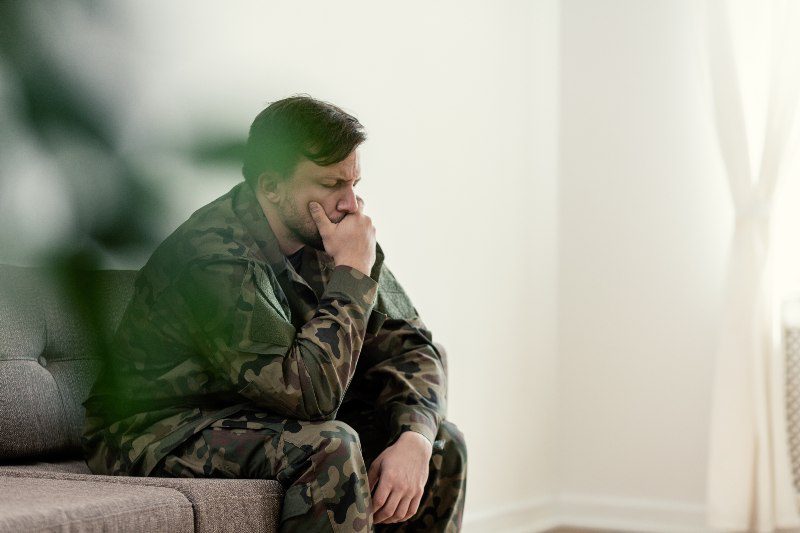
    If you or someone you love has a mental health condition, you understand its toll on daily life. A VA psych evaluation is essential to determine whether your mental health condition relates to your service time. 

    A VA psych eval can be important in determining your final disability rating, including your due compensation. Diagnosing mental health conditions isn’t always easy because there isn’t always something tangible to examine. 

    However, a psych evaluation allows you to let your voice be heard and detail how your condition has impacted your daily life. 

    Table of Contents

    VA PSYCH EVALUATION

    How Do I Get a VA Psych Evaluation?

    You can schedule a VA psych evaluation with a VA healthcare provider or a civilian doctor who can assess and diagnose your condition. 

    We can also help with the process. Telemedica has licensed psychologists who can offer professional opinions and complete a psych or VA mental health evaluation. 

    While they don’t guarantee a diagnosis or that the VA will agree with them, they will provide an Independent Medical Opinion (IMO) that provides evidence of mental health conditions and how they have affected your life. 

    Since our psychologists don’t work for the VA, they can provide an unbiased opinion of your diagnoses and recommend a service-connection. Still, the final decision lies in the VA’s hands. 

    How Do I Prepare for a Psych Evaluation?

    We understand the idea of a VA psych evaluation can be overwhelming, but you can prepare yourself in several ways. For example, don’t schedule anything else on the day of your psych evaluation to keep your focus on the appointment. 

    In addition, take time to reflect on the primary ways your condition has affected your life. Whether you seek advice from Telemedica or the VA, you want to have a few vital points to make your claim. 

    You don’t have to prepare pages of reasons to discuss. Sometimes less is more when it comes to proving your VA claim. 

    VA MENTAL HEALTH EVALUATION QUESTIONS

    Questions Asked During a Psych Evaluation

    During your psych evaluation, the psychologist will discuss your life before, during, and after the military. Since it can be sensitive, take the time beforehand to reflect on how your condition has impacted your daily life. 

    Examples of VA mental health evaluation questions include:

    • Current symptoms 
    • Personal and family history of mental health issues 
    • Medical history
    • Social history 

    You must be honest during your psych evaluation, especially since this could be your only chance at showing the VA the impact of your mental health condition. Your psych eval can help determine the severity of your mental health condition, leading to potential benefits. 

    How the VA Evaluates Mental Health Conditions

    When you submit a claim for a specific mental health condition, the VA will process the claim and thoroughly review all medical and non-medical evidence surrounding your claim. A psych evaluation helps the VA determine several factors, including:

    • Whether your time in the service caused the condition
    • The severity of your condition
    • The impact of your condition on daily life

    Typically, the VA will schedule a compensation & pension (C&P) exam to determine the severity of your condition. The VA refers to the Diagnostic and Statistical Manual of Mental Disorders (DSM IV or DSM-5) when determining the actual evaluation of the mental health condition. 

    Once diagnosed, eligible veterans are assigned ratings from the VA Schedule for Rating Disabilities. 

    Do I Need a Psych Evaluation to Receive a Disability Rating?

    Most mental health conditions require a psych eval to assess the situation better and assign a suitable disability rating. Generally, not all disabilities require a psych evaluation; however, it could increase your chances of getting military disability benefits. 

    What Happens After a Psych Evaluation?

    After completing your psych evaluation, the VA will review your claim and follow up with critical questions. They will mail you a decision letter once they have decided on your claim. 

    The time it takes to receive a decision can vary based on its complexity and other factors, but you can check the status online. 

    If you decide to complete your psych evaluation with Telemedica, we will provide you with an IMO, which you can present to the VA as part of your claim. 

    How Telemedica Can Help With Your Psych Evaluation

    Telemedica’s licensed psychologists can help provide you with an IMO and will directly upload it to the secure online portal. Our psychologists are doctors in psychology and can provide their professional opinion on your condition. 

    You can contact us with any questions; we will gladly assist you. 

  • Mental Health Evaluation (7 Key Facts for Veterans)

    Mental Health Evaluation (7 Key Facts for Veterans)

    Table of Contents

    As you prepare to submit a claim for VA disability, you may be asked to attend a mental health evaluation.

    But what is a mental health evaluation, and do you need one before you submit your VA claim? 

    This post will look at 7 key facts to guide you through the process of your mental health evaluation, leaving you feeling confident as you walk into your appointment.

    #1 What is a Mental Health Evaluation?

    Mental Health Evaluation.

    A mental health evaluation is essential in helping identify specific disorders that could result in a VA disability rating. A licensed professional conducts the evaluation and allows you to discuss your condition. 

    Afterward, the VA will determine which diagnosed mental health condition relates to your claim. VA disability ratings range from 0-100% for mental health conditions, with most veterans falling into the 30-70% category.  

    While you can only be rated for one mental health condition, the VA will review your medical records to understand how your mental health conditions affect your social and industrial functioning. 

    For example, if you suffer from PTSD and depression from your military service, you will receive the highest rating based on how the condition affects your life. So, if you receive a 70% rating for PTSD and a 50% for depression, you will be awarded a 70% disability rating. 

    Generally, a mental health evaluation lets the VA know more about your condition and how it impacts your daily life. 

    While it can be uncomfortable to discuss personal information, like your mental health, it’s essential to be open, so you can receive the benefits and compensation you deserve.

    #2 Why Do I Need a Mental Health Evaluation?

    If you are seeking a VA disability rating for a mental health disorder, you’ll likely be required to have a mental health evaluation. This evaluation helps the VA understand the severity of your condition and how it affects your daily life. 

    In addition, a mental health evaluation helps determine which condition you will be rated for. The VA refers to the Diagnostic and Statistical Manual of Mental Disorders (DSM IV or DSM 5) when assigning appropriate evaluations using the Mental Disorder Criteria in the VA Schedule for Rating Disabilities. 

    A mental health evaluation can help with early detection and intervention for your condition and allow you access to mental health care services, which can greatly improve your quality of life.

    If you require mental health services immediately, you can connect with a Veteran Crisis Line responder any time of the day by:

    #3 Can I Get a Mental Health Evaluation Near Me?

    Most likely, yes! If you currently see a primary care physician, they can help you make an appointment with a VA mental health provider close to your home. 

    You can also connect with VA mental health providers through the VA telemental health program, allowing you to chat with someone from your computer or mobile device. 

    If you don’t currently use VA medical services, you can find the nearest VA medical center or Vet center to schedule an appointment. 

    Sometimes getting an appointment with the VA is challenging, but we can help. Telemedica offers mental health exams with our team of licensed and professional providers who will perform one of the following:

    • One-time mental health assessment that can include a diagnosis, or
    • Comprehensive, evidence-based medical examination 

    All you have to provide is your DD214 and benefits summary, but we also recommend providing personal statements, buddy letters, and medical records to help support your claim.

    #4 What is a Mental Health Evaluation Like?

    The idea of a mental health evaluation may seem intimidating, but remember, the professional on the other side is there to help. Generally, the evaluation will begin with discussing your current symptoms and any family history of mental health conditions. 

    You don’t have to do anything to prepare for your evaluation; instead, take time for self-care on the day of your exam to help clear your head. 

    However, remember to be honest during your evaluation and be open about your problems. The clearer picture you present, the greater your chance of winning your VA disability claim.

    #5 What Questions Are Asked During a Mental Health Evaluation?

    Every mental health eval is different because every veteran is different. However, common questions are asked, which can help you prepare for your exam. 

    Examples of questions you might be asked during your VA mental health evaluation include:

    • What are your symptoms?
    • Was there a specific event in your military service that brought on your symptoms?
    • How often do your symptoms affect your daily life?
    • How long do your symptoms last?
    • Are you taking medication for your condition?

    It’s a good idea to keep a diary in the weeks leading up to your evaluation so you don’t forget anything at your appointment. You can also talk to a close friend or family member about their thoughts on your condition and see it from their perspective. 

    Finally, try to avoid answering with a yes or no, and instead, explain your answers and thoroughly provide information about your condition and symptoms. However, it’s always important to never exaggerate your symptoms during a mental health evaluation.  

    #6 How Long Does a Mental Health Evaluation Take?

    While there is no set time for a mental health evaluation, you can expect to be there for about 1-2 hours. The time varies from one person to the next because everyone has different needs and conditions. 

    Generally, a mental health evaluation with Telemedica takes about an hour, but you can request extra time if needed. Our licensed professionals want you to feel as comfortable as possible, so don’t hesitate to ask for additional time. 

    If you received a mental health evaluation from the VA and didn’t feel like you were given adequate time, you should report your concern to the VA.

    #7 How Much is a Mental Health Evaluation?

    While you don’t typically have to pay for a mental health evaluation through the VA, you may incur expenses associated with travel. However, the VA provides specific services for free related to mental health, like readjustment counseling and a registry health exam. 

    Interested in receiving a mental health evaluation through Telemedica? You can check our prices online and book an appointment today. 

    Need Additional Assistance With Your Mental Health Evaluation?

    Our team of licensed professionals is standing by at Telemedica to help with your mental health evaluation. We understand the importance of getting the benefits and compensation you deserve, and we can help with your journey to success. You can contact us today to see how we can help you!

  • What Is a Mental Health Evaluation?

    What Is a Mental Health Evaluation?

    Table of Contents

    Before veterans can receive help from the VA, they have to go through a mental health evaluation. This evaluation is the first step towards a diagnosis and treatment from the VA. 

    Here’s what you need to know about what a mental health evaluation is and how to best prepare for it. 

    What to Expect During a Mental Health Evaluation

    A mental health evaluation is like a physical, but for your mental health. The goal is to provide a better picture of how a veteran feels, reasons, thinks, and remembers.

    An assessment is usually a one-on-one meeting with a licensed professional where you talk about your mental health. This may include conversations about:

    • Current symptoms: Self-identification of symptoms is a key part of a mental health evaluation. How you feel and what you notice in your own thoughts and behaviors are excellent benchmarks when determining your mental health.
    • Family history: A veteran’s family history will include a brief look into family members and their mental health. Having family members with depression, anxiety, ADD/ADHD, bipolar disorder, obsessive-compulsive disorder, schizophrenia, addictions, or dementia, increases your risk for similar mental health issues. 
    • History of substance use and abuse: Your history will include legal prescriptions, alcohol, tobacco, and illegal substances. Be honest in your evaluation about the frequency and amount of substances you currently use or have used. Remember: strict federal privacy regulations protect the information you share – it will not be used against you. 

    • Medical history: Chronic disease or illness can affect your mental health and put you at a higher risk of depression. 
    • Social history: This will include aspects of your life that can affect your mental health that may be less obvious. This may include conversations about your diet, exercise, friends, and social habits. 
    Mental Health Evaluation

    How Can I Prepare for a Mental Health Evaluation?

    You don’t have to do anything special to qualify or prepare for an evaluation. Being willing to honestly talk about your mental health is the best first step. 

    Mental Health Evaluation

    However, if you are worried or anxious about the mental health test, take 15 to 20 minutes to consider these questions to help you prepare: 

    • What are your mental health symptoms? 
    • What are your troubling thoughts and behaviors?
    • What makes the symptoms worse?
    • How long do the symptoms last? 
    • How often do the symptoms occur? 

    How Do I Navigate a Mental Health Evaluation?

    It can be easy to feel overwhelmed when talking about your emotions. Below are a few recommendations for how to best navigate your mental health evaluation if you’re feeling nervous. 

    Be honest throughout your examination:

    It’s normal to feel uncomfortable talking about your mental health, but the examiner can only get the full picture if you’re honest. If you are worried about being accurate, invite your spouse or significant other to sit in the examination with you. They may be able to fill in the gaps and give an objective point of view. 

    Focus on how you are actually doing rather than how you would like to be doing:

    If you are having a difficult time, notice that something isn’t right, or are worried about your health, be honest. The more direct you are, the better the evaluation will go. Being honest about your state of mind will also give the examiner a clearer picture of your condition – the more information the better!

    Be direct with your provider:

    By being clear about your problems and knowing what to say, you can control the evaluation. If you’re afraid that you don’t know how to explain yourself, practice beforehand how to accurately explain your symptoms to another person.  If you tend to forget your train of thought when you get overwhelmed, try writing your thoughts down so you don’t miss anything you wanted to discuss.

    Mental health evaluation

    How Long Will a Mental Health Evaluation for Disability Claims Take?


    There is no set time for a mental health assessment, because the mental health evaluation questions are determined by the condition(s) listed on your claim for benefits.
     

    Depending on the number and types of disabilities claimed, your examination time can vary. Mental Health Evaluations through Telemedica typically last for about 60 minutes, but more time can be added to the evaluation at the veteran’s request.

    If you are scheduling a Mental Health Evaluation with a provider you are unfamiliar with, you can always ask how long the appointment will last so you can be properly prepared. 

    Schedule a Mental Health Evaluation with Telemedica

    Do you need medical evidence for your VA disability claim? Telemedica’s Psych Team conducts Mental Health Evaluations for veterans across the US though a secure, telehealth platform. Contact the Telemedica Psych Team today to see how we can help.

  • What Is EMDR Therapy and How Does it Work?

    What Is EMDR Therapy and How Does it Work?

    Table of Contents

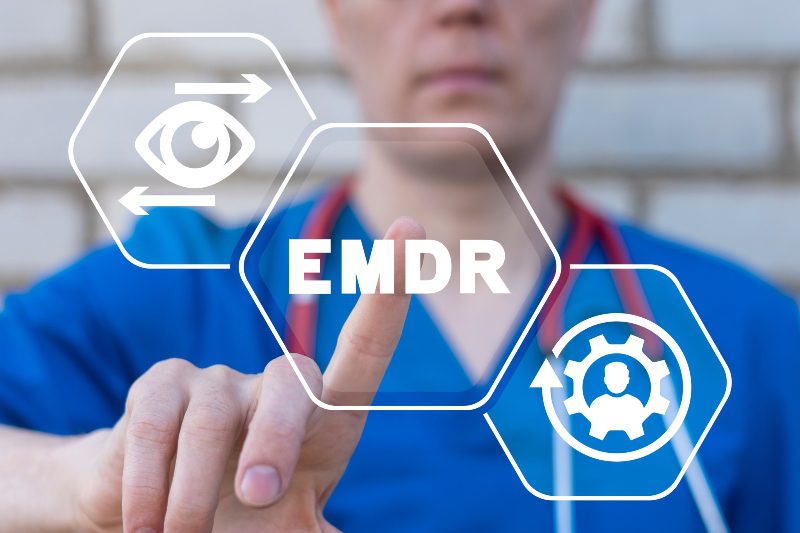
    Are you a veteran living with mental health challenges? We have good news for you—your options when it comes to therapy and treatment are not limited! Many treatments are available to manage symptoms and guide you towards recovery. One of the most exciting solutions is Eye Movement Desensitization and Reprocessing therapy (most often identified by the acronym EMDR), but what is it, and how do you know if it’s a good option for you? 

    What is EMDR Therapy and How Does it Work

    If you’re wondering what EMDR therapy is and how it works, we’ve got answers. EMDR is a simple eight-step process that can yield extraordinary results. In this blog, we provide more information about EMDR therapy and give some guidance on how to tell if it’s a good option for you.
    A Brief Overview of EMDR Therapy


    EMDR therapy is a lesser-known treatment option compared to more traditional therapies, however, it is quickly gaining popularity in western therapy practices.

    As more and more people begin to recognize the many benefits of EMDR, it’s becoming a widely recommended solution for veterans with with mental health afflictions. 

    The Process of EMDR Trauma Therapy

    EMDR therapy is a simple eight-step process that can make all the difference for veterans. A typical session lasts about 60-90 minutes, and each session follows the eight phases outlined below.

    The number of sessions each patient needs depends on their circumstances. Some people experience massive relief after just one or two sessions. Once you talk to a doctor about your mental health concerns, they can give a realistic idea of your treatment timeline. 

    EMDR Therapy

    The eight phases of an EMDR therapy session are as follows:

    • Step 1: Gather the patient’s history and plan the treatment timeline.
    • Step 2: Prepare for the session by discussing the upcoming process.
    • Step 3: Conduct an assessment to identify a specific image from a target event, delve into an existing negative belief, and determine a new positive belief.
    • Step 4: Go through a desensitization process using sets of eye movements, sounds, or taps.
    • Step 5: Practice the new positive belief to replace the existing negative one.
    • Step 6: Conduct a body scan to identify residual tension in the body triggered by the target event.
    • Step 7: Use self-calming techniques to solidify the results and provide coping resources.
    • Step 8: Evaluate the experience and discuss what specific thoughts and feelings arose during the session.

    What Mental Health Conditions Does EMDR Treat?


    EMDR stands for Eye Movement Desensitization and Reprocessing. It is known as a trauma therapy option that can help treat:

    • PTSD
    • Anxiety
    • Childhood or complex trauma
    • Chronic pain
    • Addictions
    • Unresolved grief
    • Phobias and fears
    EMDR Therapy

    When dealing with depression, EMDR can help manage the symptoms that come with it. For veterans struggling with PTSD, anxiety, and other mental health afflictions, EMDR can be a new and welcome source of relief.

    Am I a Good Candidate for EMDR Therapy?


    EMDR could be the perfect solution for you whether you want to try different therapy modalities or are already benefiting from traditional therapies but want an extra boost for your healing.

    EMDR is different from traditional talk therapy or counseling. If you want to try something new, EMDR is an action-based option that could be a wonderful alternative.

    Discussing Your Options with Your Doctor

    Having a safe environment to discuss your mental health concerns is imperative. When you talk with your doctor or therapist, they listen and will know how to address your concerns. Ask questions and be honest and direct with what you need. 

    Your doctor will allow you to exercise all of your healthy options. Some providers even offer EMDR therapy online via telehealth. This is an excellent help for veterans who aren’t able to visit with their provider in person or for those who need additional accessibility.

    Telemedica Can Help On Your Path to Overall Well-Being

    There’s a lot of talk about EMDR and how it can help, but the truth is that you are a unique individual with specific needs. There are many different elements to consider when seeking treatment for a mental health condition, and having a team in your corner can make it easier to understand the process. 

    Telemedica’s staff is here to do just that. Contact us today and find out how we can guide you on your mental health journey.

  • Why & How to Get Evaluated for Depression

    Why & How to Get Evaluated for Depression

    Table of Contents

    Have you noticed depressive tendencies in yourself? Depression is more than just having a bad mood—it’s a mood disorder for which many people (and veterans in particular) need help with through diagnosis and treatment. The easiest way veterans can receive a diagnosis and treatment for their depression is to start by getting a Mental Health Evaluation.

    In this article, we explain:

    • Why you should get therapy for depression
    • How to get evaluated for depression
    • Where you can get a depression evaluation 

    How to Get Evaluated for Depression

    There are only a few steps to take when receiving an evaluation for depression. Once you have an official diagnosis and your symptoms are identified, you can start receiving care or treatment for your mental health condition and begin to heal.

    Step 1: Partner with a Veteran-Focused Provider

    To get a service-connected depression diagnosis, it’s important to work with a veteran-friendly doctor near you, or through a telehealth provider such as Telemedica. We will pair you with a licensed mental health professional who specializes in mental health disorders and is familiar with veteran issues—many of the Telemedica providers and staff members are veterans themselves. 

    Step 2: Gather Required Medical Evidence

    Before getting started with an evaluation, it’s important to gather your medical evidence – i.e., doctor’s notes, VA records, buddy letters, DD214, and any other pertinent records that may be helpful in supporting the severity of your condition.

    Step 3: Work with a Psychiatrist or a Licensed Provider

    Our psychological team is comprised of psychiatrists (as well as clinical psychologists) and physician assistants who are qualified to provide an evaluation for depression. If you’re seeking out a Mental Health Evaluation through Telemedica, you will log on to a secure, HIPAA complaint, veteran friendly platform from the comfort of your home. Your provider will perform an assessment based on the DSM5 to identify your exact diagnosis. 

    The Benefits of Working with Veteran-Friendly Doctors Near You


    While many people experience depression at some point in their lives, veterans come with a set of unique life experiences; experiences that people who’ve never served may not fully understand.

    Ideally, you’ll want to get your depression evaluation from someone familiar with the issues veterans face. Below are a couple of the most notable benefits of working with a veteran-friendly provider.

    More Empathetic and Knowledgeable Care

    At Telemedica, we have a large community of mental health professionals located all over the country. Many of them are veterans, military spouses, or active duty themselves, ready to connect and provide the missing link (medical evidence) for your VA disability claim. Additionally, many of our providers are also C&P examiners. 

    Veteran-friendly healthcare providers can be more empathetic to your circumstances. They also use VA friendly language, which can bolster your claim and may improve your chances of getting your service-related depression approved for benefits.

    Telehealth at Your Convenience

    Can’t make it to the doctor’s office? Or can’t find a veteran-friendly doctor near you? We’re more than happy to come to you via telehealth. Our medical professionals are ready to connect through email, phone call, and live video chat to help you get evaluated for depression (or the appropriate mental health diagnosis you need for your claim).

    What Other Options Do I Have?

    Therapy can help! Ignoring your symptoms of depression, hoping they go away on their own, may feel easier than seeking treatment. But there’s a better way.

    Seeking treatment for your depression can lift the fog and help you gain a better perspective on life. 

    Depression is one of the most common mental health conditions but therapy and medication can help a great deal. 

    Here are just some of the benefits of seeking treatment for chronic depression:

    • Improve your interactions with others—Therapy can help you connect with your emotions and provide tools for communicating how you feel.
    • Learn lifelong coping skills—Therapy doesn’t only help you cope with your depression, it also helps you gain valuable skills to use in all areas of life. For example, therapy can teach you self-acceptance and emotional regulation.
    • Instill more control in your life—Taking strides to strengthen your mental health can motivate you to get tasks done and accomplish your goals. 

    How to Get Evaluated for Depression: We Can Help!

    If you have depression, it’s time to take the first step to access the benefits you deserve to live a healthier life. 

    Even if you’ve struggled to get a mental health diagnosis for your condition before, Telemedica’s knowledge of the veteran experience can help! 

    Get started today!

  • How to Help a Veteran in Crisis: 5 Signs and 4 Ways to Help

    How to Help a Veteran in Crisis: 5 Signs and 4 Ways to Help

    Table of Contents

    It’s important to support our nation’s heroes and help Veterans in their time of need. We hope this resource will educate you on how to help a Veteran in crisis, particularly when it comes to their mental health.

    To start, we’d like to shed some light on some prevalent mental health issues within the Veteran community.

    how to help a Veteran in crisis

    How Many Veterans Battle with Mental Illness?

    Mental Health

    The Wounded Warrior Project, an organization that focuses on empowering Veterans to get help from, and be more involved with their communities, has found the following trends from user surveys:

    1. 72% experienced depression, with 53% presenting moderate to severe symptoms.
    2. 74% experienced anxiety, with 63% presenting moderate to severe symptoms
    3. 25% of surveyed Veterans have had suicidal thoughts within the past 12 months.
    4. 16% of surveyed Veterans experienced military sexual trauma (67% of those being women).
    5. 75% of surveyed Veterans experienced PTSD as a result of their service, with 49% presenting moderate to severe symptoms.
    how to help a Veteran in crisis

    Another study from BMC Women’s Health found that women are more likely to develop service-related mental health conditions when compared to their male counterparts.

    PTSD: 29% of female Veterans vs. 12% of male Veterans

    Depression: 46% of female Veterans vs. 21% of male Veterans

    Suicidal ideation: 27% of female Veterans vs. 11% of male Veterans

    5 Signs of Someone Battling a Mental Illness

    Mental Health

    There are many potential symptoms someone may exhibit when struggling with mental health disorders. This is because different conditions can manifest different traits.

    This is because different conditions can manifest different traits. Additionally, many symptoms are internal, making them difficult for you to pick up on.  

    Regardless, here are five common signs family members of Veterans may observe that can hint at an underlying battle with mental health.

    1. Excessive worrying: It’s normal to have a little anxiety throughout the day, like worrying you left the stove on after you’ve left the house. Excessive worrying, however, can be debilitating. This is when fears and anxiety creep into your everyday life, keeping you from functioning optimally.
    2. Extreme mood changes: A little fluctuation in mood is nothing to worry about. But when someone’s mood is unpredictable, even to themselves, that can be a sign of a larger issue. 
    3. Avoidance of friends or social situations: Many people who have mental illness can feel overwhelmed in social scenarios, even if they’re surrounded by friends and family. If you find that Veterans in your life aren’t as willing to come out to socialize, that may be your sign to check in on them.
    4. Changes in eating habits: People with anxiety disorders can have very different relationships with food. Some over eat as a coping mechanism, while others lose their appetite altogether. A change in either direction may be an indication that they have experienced a significant change in mood or mental state.
    5. Changes in sex drive: You may notice a sudden change in their sex drive. People with depression tend to lose interest in activities they once enjoyed, including sex. 

    Ways You Can Help a Veteran in Crisis

    Mental Health

    There’s a lot you can do to better support the Veterans in your life who are going through mental health challenges. 

    Here are four suggestions for how to help a Veteran in crisis.

    1. Educate Yourself About Their Illness
      There is a lot of nuance to mental health illnesses. While you may never be an expert, you can do your best to educate yourself on these nuances so you have a baseline to help the Veterans in your life. The National Alliance on Mental Illness has a resource that addresses the basics of many of the most common mental health disorders Veterans may experience. This is a great place to start your educational journey.
    2. Help Them Find Treatment
      If the Veteran in your life is willing to seek treatment, you can help them get there. This may start with getting a proper diagnosis for their condition. Securing a diagnosis will help open the door to future treatment options. If you are a family member or spouse of the Veteran, you may want to work closely with their treatment team so you can stay in the loop on what their home treatment should look like.
    3. Be Patient
      The path toward better management of mental health disorders is far from linear. There may be times of significant progress, but other times it may seem like no progress has been made at all. Just be patient and trust the process. It can be hard to get a holistic view of one’s progress, so focus on small successes in the meantime.
    4. Take Care of Yourself
      You can’t be very helpful to others if you aren’t taking care of yourself. Don’t think of it as being selfish—just think of it as an opportunity to recharge. Eat healthily, exercise regularly, and don’t forget to indulge in your favorite activities. You may consider attending therapy for yourself.
    how to help a Veteran in crisis

    Veteran Mental Health Resources to Know About

    To supplement your own education, here is a list of Veteran mental health resources that may be helpful:

    Help Veterans Towards the Path of Peace

    If you’re witnessing a loved one in their struggle with mental illness, get some help. Telemedica is here to connect Veterans and their families with the resources they need. Contact us today for more information.

  • World Mental Health Day & Therapy For Veterans

    World Mental Health Day & Therapy For Veterans

    Table of Contents

    So, what is World Mental Health Day? On October 10th, people around the world come together to talk about mental wellbeing and lessen the stigma surrounding it.

    World Mental Health Day

    Veterans, you are not alone if you’re dealing with anxiety, PTSD, or any other mental health issue. However, the unique struggles Veterans face daily can make it challenging to bring up in conversation with doctors or loved ones. It’s well worth pursuing therapy for Veterans, though for some it can feel intimidating. 

    World Mental Health Day provides us with the opportunity to break the stigma around mental health and bring shadows into the light. It’s time to have these conversations and discover resources to get you the support you need. 

    How Mental Health Impacts Veterans

    Mental Health

    For Veterans returning home, your next battlefront may be mental health. 

    It is the responsibility of the community to provide a safe space to talk about the challenges you’re facing. They are real, valid, and critical to your well-being. 

    It’s important to know that the feelings and experiences you may be dealing with on a daily basis are more common than you think—many Veterans have emotional stress that impact their relationships and daily activities. Roughly 1 in 5 Veterans experience mental health issues, including PTSD. However, only 12% of Veterans actively use mental health care resources. Considering that roughly 10–20% of PTSD cases can escalate to the point of debilitating symptoms, it’s more important than ever to seek help for mental health. 

    World Mental Health Day

    How Do I Bring Up My Concerns to My Doctor?

    Mental Health

    Reaching out to your support system, discussing your symptoms, and asking for help are the first steps toward recovery.

    The thought of bringing up your mental health concerns with your doctor is important for your quality of life. They are there to provide a safe, empathetic space to talk and are equipped with the resources to help you through this.

    Choosing to have a conversation with your doctor about your emotional wellbeing can be a life-changing decision. Though you may think all you need is time to heal your emotional wounds, the afflictions you’re experiencing rarely go away on their own.

    Discussing Your Symptoms with Your Doctor

    If you’re experiencing any of the following symptoms, bringing them up to your doctor can start the conversation.  

    • Thinking negative thoughts about yourself
    • Having frequent anxious feelings
    • Losing your appetite
    • Experiencing irritability or mood swings
    • Having difficulty with daily activities
    • Finding yourself sleeping too little or too much
    • Struggling with concentration
    • Hearing or seeing things that aren’t there

    Questions to Ask Your Doctor During Your Appointment

    It may be helpful to prepare some questions to ask your doctor so you can address all of your concerns. 

    The Military mental health stigma can feel very real, but help is within reach. Your doctor is there to provide resources for your benefit, so don’t be afraid to ask questions and voice your concerns. Here are a few to get you started:

    • What type of mental health issue might I be struggling with?
    • How do you treat this issue?
    • Why can’t I get over this by myself?
    • How do I know if I really need therapy?
    • Where can I find out about different therapies?
    • How do I find a therapist?
    • What can a therapist do for me?
    • How long will treatment take?
    • What can I do on my own to help the process?
    • Do you have any printed materials I could look over?

    Contact Telemedica Today to Learn How We Can Help

    You’re in good company. Let’s celebrate World Mental Health Day together. We can all work toward breaking the stigma surrounding mental health conversations, especially for Veterans and those on active duty. 

    Telemedica’s staff is happy to support you in making these conversations easier. Our team can help facilitate the conversation between you and a doctor who will guide you through the process. Contact us today to learn more.

  • Is There a Link Between PTSD and Migraines?

    Is There a Link Between PTSD and Migraines?

    Living with PTSD can be stressful enough on its own, but when recurring migraines start showing up as well, it can make navigating day to day life even more difficult and challenging. Few people discuss the link between these two frequently occurring afflictions, but there is reason to believe there’s a strong connection. A 2015 study found that individuals with both PTSD and migraines “may be particularly prone to adverse financial, health, and interpersonal burdens.” 

    Table of Contents

    PTSD and Migraines

    PTSD & Migraines

    Though headaches don’t receive the same kind of attention in terms of mental health, when daily migraines plague you, it’s important to identify the cause, which could be related to your overall mental health. 

    Having PTSD means being at a higher risk of developing different health issues. Pain is one of those, and headaches or migraines are a significant source of intense pain for many individuals. In this blog, we will analyze the link between PTSD and migraines and provide information that can help Veterans –  just like you – take the next step towards healing.

    What is Post-Traumatic Stress Disorder (PTSD)?

    Mental Health

    Post-traumatic stress disorder (PTSD) develops when an individual witnesses a shocking, dangerous, or frightening event.

    While it’s normal to feel afraid during traumatic situations, those who feel affected for a long time afterward may be diagnosed with PTSD.

    PTSD is characterized by people who feel stressed or frightened, even when they aren’t in danger. This is a common affliction for Veterans who saw combat. Ongoing, chronic PTSD is when someone regularly experiences symptoms for years after the event.

    What is a Migraine?

    Mental Health

    A migraine is an intense headache that causes severe, throbbing pain (typically on one side of the head).

    It can also be accompanied by nausea, vomiting, and sensitivity to light and sound. These attacks often last longer than your average headache, anywhere from hours to multiple days. 

    Migraine pain can be severe to the point of disability. It can be extremely frustrating when you experience them frequently enough to interfere with your daily activities.

    Can PTSD Cause Migraines?

    Mental Health

    Having PTSD can be linked to an increased risk for migraines.

    The stress of an PTSD episode can push your body to develop different types of headaches, which may escalate into migraines. While daily headaches can be a nuisance and hinderance to your daily life, migraines are more likely to stop you in your tracks.

    PTSD Headaches.

    People are typically prone to migraines before developing PTSD, meaning that it is not the underlying cause. Healthcare experts still haven’t figured out the exact cause of migraines, but they believe a genetic component is involved. So while it is not the direct cause, it is a possibility that PTSD triggers migraines.

    Is that possibility enough? There is precedence for the VA ruling that migraines can be secondary to service-connected PTSD.

    The intensity of your migraines could also be linked to the severity of your PTSD. These painful occurrences could provide healthcare professionals with additional information to better treat your other symptoms in a best-case scenario.

    How to Manage Your Migraines

    Mental Health

    Managing your migraines can feel overwhelming. If your daily life is continually put on hold due to persistent headaches, there are ways to manage your pain levels.

    Managing migraines secondary to PTSD can help reduce triggers in the long run. Options like cognitive behavioral therapy can be helpful to reduce stress. Diagnosing PTSD can also go a long way toward significantly reducing migraines. Receiving a diagnosis means that you’re one step closer to understanding what is going on internally and how you can move forward with treatment.

    Treating both PTSD and migraines is the best way to reach a solution. Getting a diagnosis is the first step, and from there you can reach out to a healthcare professional for recurring treatment.

    In the meantime, here are a few ways to manage your migraines naturally: 

    • Water. Drinking enough water is a natural way to reduce migraines. Dehydration can lead to flare-ups, so be sure to keep up on your water intake. 
    • Cold compress. While cold and warm compresses can be used, a cold compress is usually the best option. Be sure to place a cloth between your skin and the ice pack for protection. 
    • Ginger tea. This herbal tea has been shown to have a similar effect to traditional medication when treating migraines. 

    Schedule an Appointment with Telemedica

    What else can you do for your PTSD and migraines?

    The first step to getting help is a diagnosis. Telemedica offers services to assess your symptoms and provide you with an accurate diagnosis from trusted professionals. Book an appointment today to start on the road to recovery. Additionally, if you have a diagnosis for a headache condition and feel it may be connected to service or a service connected condition, you may consider a Nexus Letter from Telemedica as well. 

    If you are a Veteran in need of recurring therapy tailored to your specific needs, you can book a recurring therapy session with us today!

    Untitled design 38 e1658520481699

    This blog has been verified by Telemedica’s lead Nexus Team provider Tara Thompson (PA-C; MPAS). The information provided here is factual, up to date, and approved by our professionals.

    To learn more about our team of providers, click here. 

  • 6 Ways to Cope with Mental Illness

    6 Ways to Cope with Mental Illness

    Coping with Mental Illness: Winning Your Most Personal Battle

    Many people are quick to thank our servicemen and women for their time in the military, but not everyone considers what that time may have cost them—and, more importantly, what it continues to cost our veterans after they return to civilian life.

    The truth is, life in the military is hard on both the body and the mind, and it can leave wounds, both visible and invisible, that take years to heal.

    As a result, many veterans are left to deal with mental illnesses that can be difficult to overcome on their own. 

    Table of Contents

    Veterans and Mental Health

    Treatment for mental illness isn’t always finite; many mental health conditions are chronic and ongoing – some may even last a lifetime. As a result, living a healthy life with a mental health challenge is about understanding and incorporating the right coping mechanisms into your day-to-day routine. 

    The good news is, it’s still possible to lead a fulfilling, productive life in spite of psychological challenges. Despite your limitations or personal struggles, you can still overcome your most personal mental health battles.

    At Telemedica, we know how challenging this journey can be. Many of us are veterans ourselves, and have dealt with mental health battles of our own. We’ve been where you are, and we’re here to help. Keep reading for our six recommendations for coping with mental health challenges in your day to day life. 

    1. Coming to Terms with Your Situation

    Mental Health

    Every person is different. We all have different circumstances and physical and mental conditions with which we have to contend.

    Our struggles are part of the human experience. Accepting your situation requires letting go of judgments about yourself and your mental illness. Do this by educating yourself about your mental illness and connecting with individuals dealing with the same condition. This can help you overcome self-judgment and find ways to cope with the illness head-on. 

    Mental Illness

    2. Dive Into Hobbies

    hobbies e1646667092460

    What are you good at? What activities are enjoyable to you? 

    Whether that’s cooking, playing chess, or embellishing a room with a new coat of paint, doing what makes you feel good can be wonderful for your mental health. Adopting a new hobby can give a boost of self-confidence and can help you get through tough times a bit easier. 

    If you feel comfortable, consider engaging in activities with friends and family. This can encourage you to continuously keep in touch with loved ones—relationships that are crucial to improving your mental health. 

    Mental Illness

    The most popular hobbies for veterans who are coping with stress include: 

    • Creative art
    • Music 
    • Running
    • Gardening
    • Camping

    3. Seek Treatment

    RESIZED mobile copy e1647035608119

    Many veterans reach a point where, unable to fight the battles of the mind on their own, decide that it’s time to ask for help from qualified professionals.

    Mental illnesses can often be chronic and ongoing treatment may be required. It takes a lot of strength and courage to ask for help – it is important to remember that your value as a person does not diminish because you have a mental health condition or if you seek help. Taking care of your mental health is just as important as taking care of your physical health. Mental health concerns are real struggles, not signs of weakness or moral failings. 

    Just got the rating today for my mental health claim at 70%!! My psych provider’s IMO was the key for success and it was my only evidence provided to the VA!! Will definitely use you guys again and will refer to other veterans!!


    To schedule a mental health evaluation with one of our licensed providers, click here.

    Sparking a discussion with a health professional about your mental illness to find ways to cope with your condition is a great place to start. Whether this involves medicine, therapy, diet and lifestyle changes, or some other form of treatment, your health care provider or therapist can help you create a long-term plan that will be beneficial for you and your lifestyle.

    A great way to track your progress with a new regimen or medication (as recommended by your therapist or health care professional) is to keep a log of how you’re feeling from day to day. Keeping a journal can help you identify if a treatment is working well, and it can assist you in monitoring your progress, behavior, and mood. 

    Keep in mind that the path to mental wellbeing is not a one-size-fits-all process. Mental health treatments can be as individual and unique as the person that they’re intended for. There are many options to choose from so don’t be afraid to try a few different treatment styles before you find the one that fits best for you. 

    4. Do Your Best to Not Compare Yourself to Others

    scale e1647035330867

    “Do no underestimate yourself by comparing yourself to others. It’s our differences that make us unique and define just how special we are.”

    Since mental health treatment is different for everyone, it’s important to not compare your own mental health journey to that of someone else’s. Everyone grows and heals at their own pace, and we all have different reasons for seeking out mental health care. The most important thing to remember is to give yourself grace and go easy on yourself – healing is not always linear and can take time. Celebrate the small victories and focus on doing the next right thing for you.

    5. Talk about Your Feelings

    speech bubble 1 e1647035349226

    Talking about your mental health can be very beneficial to your healing – that’s why talk therapy is so successful.

    Regularly check in with yourself and express what you’re feeling and thinking – either with a trusted friend of family member or a therapist. Expressing emotions is a sign of strength, not weakness, and walking through your thoughts and feelings can have a profound impact on your mental health. 

    Your experiences are real, and they deserve to be validated; both by yourself and by those you surround yourself with. 

    A few ways you can express your emotions is by:

    • Talking to a trusted friend or family member: Bottling up your feelings can put physical stress on the body, produce feelings of isolation, and promote unhealthy coping mechanisms. Sit down with or call a trusted friend or family member regularly. Simply having them listen can help you feel more at ease. As you let go of some emotions, this can create space for more positive feelings.
    • Writing in a journal: Journaling is a healthy way to explore your thoughts and let go of negative thought patterns and unwanted feelings. Don’t overthink your entries—just write whatever comes to mind. You may also want to write out words of affirmation to help you stay positive and focused. 

    6. Stay Active

    Tennis

    Exercise can elevate the brain’s serotonin, dopamine, and norepinephrine levels, offering mental clarity and enhanced mood and energy.

    Taking time to get some form of physical activity each day can be highly beneficial.

    Start slow, if needed. You might begin by taking a stroll through your local park for 15 minutes. When you feel comfortable enough, increase the duration to 30 minutes. 

    If one activity starts to feel dull or repetitive, switch to a new one, or begin diversifying your exercise routine. Or, consider listening to podcasts or audiobooks to keep yourself mentally engaged during activities. You can also bring someone along with you, both to enjoy pleasant conversation and to keep yourself accountable.

    The goal of staying active should be to move your body, get some sunshine, and get the blood flowing. Being active can help you feel better in mind, body, and spirit.

    Medical Evidence Wins VA Claims

    If you are a veteran dealing with mental illness, schedule a Telemedica evaluation. Our team at Telemedica offers psych evaluations through telehealth appointments. We offer Nexus Letters, Mental Health Evaluations, and Telemedicine Evaluations (first-time diagnoses) so veterans can receive the VA benefits and compensation they deserve and take another step forward on their path to mental and physical wellbeing.

  • How to Cope with the Suicide of a Loved One

    How to Cope with the Suicide of a Loved One

    Table of Contents

    Veterans and their families are no strangers to loss, but the most devastating losses are the ones that feel like they could have been prevented. Often, when a loved one takes their life, those close to them feel personally responsible—that if only they had known how hard their loved one was struggling, or if they had only done more to help them, they will still be around.

    Grief is difficult to handle under the best of circumstances, but survivor’s guilt can make the pain unbearable.

    At Telemedica, we hope that no one has to face these difficult feelings and experiences without help. That’s why we’ve put together this post explaining how to cope with the suicide of a loved one. As navigating through the time after a loss can feel overwhelming, we hope these recommendations will help you find your path to healing.

    1. Listen to Your Emotions

    How to Help a Family Member with Mental Illness

    Mental Health

    It’s okay to hurt after someone you care about is gone; this is a natural part of the grieving process, and grief comes with various complicated emotions.

    Instead of avoiding, ignoring, or otherwise “bottling up” these feelings, pay attention to them and accept them. They will come and go throughout your journey of healing, and working through them can help you heal.

    These emotions may include one or more of the following: 

    • Shock: Feelings of numbness or detachment from reality are common responses to loss.
    • Denial: You may refuse to accept your loved one’s death. This may change over time as you acquire more information. 
    • Guilt: Feelings of guilt are common, especially when the loss is a suicide. It’s natural to blame yourself, rather than accepting that some things are out of your control.
    • Sadness: Memories and reminders of the loved one can trigger sadness, hopelessness, and bitterness.
    • Anger: It’s common to feel a sense of abandonment, and a resentment to either the person you’ve lost or the circumstances of that loss. Those emotions often express themselves as anger, and can be directed at any number of points both internal and external.
    • Confusion: There will likely be unanswered questions, which may compel you to try and make sense of the situation, even when there’s little that’s logical about the loss.

    2. Look After Yourself

    charity

    Keep in mind, there is no right way to grieve, nor is there a definite timeline for when the pain and emotions will soften.

    Every person is different, so take your time, and don’t expect recovery to meet some kind of deadline. 

    Take note and respect your boundaries by:

    Not rushing yourself: Do what is right for you. Do not feel inclined to do something for someone else’s sake. It’s essential to listen to your mind and body at this time and do what is comfortable. For example, if you don’t feel ready to visit the gravesite of your loved one, it’s okay to wait until you are ready.

    Grieving in your own way. Some days will be better than others, and this is okay. Healing after the suicide of a loved one is not a linear path. There will be roadblocks that cause emotions to resurface, making you feel like you’ve slipped backward in your healing journey. Whatever happens, be patient with yourself. Instead of feeling frustrated, acknowledge that this is all part of the healing process and give yourself grace.

    Taking the time to focus on you. It can feel impossible to make room for yourself when you’re consumed with loss and grief. Carve out time each day to eat well, take a walk, get a healthy amount of sleep, and do other things that constitute healthy self care for you. Just remember that too much of any self care tactic can be counter productive, so keep things in balance.

    3. Reach out to Someone You Trust

    deal

    It isn’t healthy to bottle everything up inside, but it can be difficult to sort through these feelings on your own.

    That’s why it helps to talk to someone you trust. Connecting with others can help you feel less isolated, assure you that others share your pain, and remind you that there are people who will always be there for you. 

    Make sure that you share your feelings with someone who will be supportive, and who will encourage healthy coping habits (and discourage unhealthy ones). If people who meet those standards seem to be in short supply in your life, consider reaching out to a licensed counselor or therapist. 

    Not only will such a professional offer an optimistic and objective outside perspective, they will have experience and training assisting people through difficult experiences like yours. You may even find that they provide you with the tools needed to heal from emotional wounds you weren’t even aware of before the loss.

    And lastly, if you are not ready to talk to people, that’s okay too. You may still find comfort in spending time with close family and friends, even if you don’t talk about the loss, or don’t talk about anything at all. Sometimes, it can help to simply have a shoulder to lean on. 

    4. Find Resources to Help You Cope

    medical icon

    In some groups and cultures, suicide is a stigmatized subject, making it incredibly difficult to find support after the suicide of a loved one.

    It can also make it challenging to acknowledge your emotions and authentically communicate those feelings. 

    Rest assured, there are resources to help you grieve in your own way and feel better supported during this time. 

    Support Groups

    • Alliance of Hope for Suicide Survivors: Nonprofit organization Alliance of Hope aims to offer support resources on survivor experience. Some of their services entail guides on how to cope with suicide, online forums, and consultations with loss professionals. 
    • American Foundation for Suicide Prevention (AFSP): The AFSP has a local chapter in all 50 states. They connect those who have lost loved ones to suicide and those struggling with suicidal ideation to local support groups and outreach programs. 
    • VA Office of Survivors Assistance: The VA offers resources for survivors and dependents of deceased Veterans and service members. Some of these resources include bereavement and readjustment counseling. 
    • Stop Soldier Suicide: Stop Soldier Suicide leads the fight against veteran suicide. They offer support to veterans who are struggling after their time in the service. If you are interested in helping veterans, learn about how you can support the organization. 

    Don’t Give Up

    Mental Health

    Finally, it’s important not to let temporary feelings lead you to permanent decisions. It’s not uncommon for those experiencing grief after the suicide of a loved one to consider following in their steps. 

    If you are experiencing these same feelings, please seek help.

    Loss is painful, but there is always hope that things can get better over time. Your life has value, especially to those that love you, and the loss of even a single member of any community is a tragedy. 

    Just take everything one day at a time; no storm can last forever. 

    Seek Help Today

    We understand life may seem difficult at the moment, but rest assured, it will get easier with time. You are not alone, and you don’t have to face these challenges on your own. And if you are in need of support, please don’t hesitate to contact us. We can point you toward the right resources, and help you access the benefits you need.