Category: Physical Conditions

  • Nexus Letter for Sleep Apnea Secondary to Sinusitis

    Nexus Letter for Sleep Apnea Secondary to Sinusitis

    Is a nexus letter for sleep apnea secondary to sinusitis your missing link? If you’ve received a denied claim, you’ll want to understand the significant impact a nexus letter can make. 

    In this guide, we’ll cover how a nexus letter impacts your VA disability claim, the steps to get service connected for sleep apnea secondary to sinusitis, and what VA rating you deserve. 

    The VA claims process can be challenging, but we’re here to help guide you. 

    Table of Contents

    NEXUS LETTER FOR SLEEP APNEA SECONDARY TO SINUSITIS

    Nexus Letter for Sleep Apnea Secondary to Sinusitis

    A nexus letter for sleep apnea secondary to sinusitis is vital evidence when applying for VA benefits. 

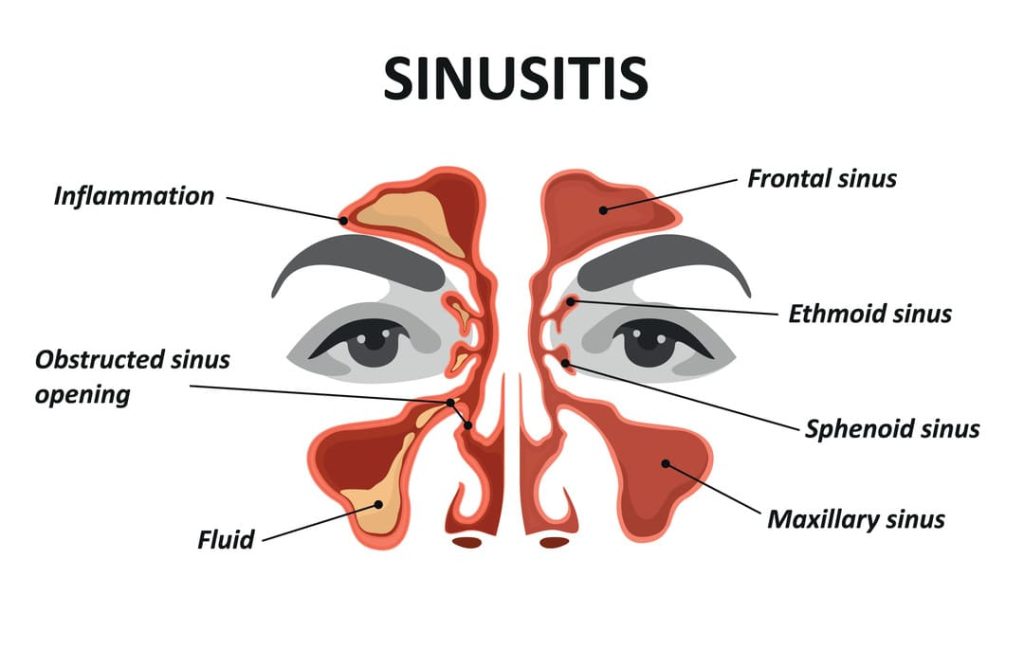
    Sinusitis can contribute to sleep apnea by causing sinus congestion and inflammation that blocks the nasal passages. But is your military service the culprit?

    Many veterans are susceptible to sinusitis due to burn pit exposure and other hazards. Obtaining a nexus letter is highly recommended if you want a better chance of winning your claim. 

    A Nexus Letter establishes a connection between your service-connected sinusitis and the development or worsening of sleep apnea. 

    It outlines a healthcare provider’s medical reasoning and professional opinion, clearly stating that sleep apnea results from sinusitis and makes you eligible for benefits.

    How Sleep Apnea and Sinusitis Are Connected

    SLEEP APNEA SECONDARY TO CHRONIC SINUSITIS AND RHINITIS

    Sleep apnea and sinusitis can be connected in several ways, so it’s essential to understand what is causing your condition. 

    Here’s a look at common reasons why sleep apnea can be secondary to sinusitis:

    1. Nasal congestion – When nasal passages are blocked due to mucus buildup or inflammation, it can contribute to obstructive sleep apnea. 
    2. Airway obstruction – Sinusitis can worsen the obstruction of your airways while sleeping, making it difficult for air to flow freely. 
    3. Inflammation – Inflammation caused by sinusitis can affect the soft tissues of your throat and airway, increasing the chances of sleep apnea. 
    4. Disrupted sleep – Sinusitis frequently leads to disrupted sleep, which can exacerbate sleep apnea symptoms and may contribute to the development or worsening of the condition long term. 

    Managing sinusitis and addressing nasal congestion can be important components of sleep apnea treatment, as improving nasal airflow may help reduce the severity of sleep apnea symptoms and improve overall sleep quality.

    >> Related: 5 Secondary Conditions to Sinusitis Veterans Should Know

    SLEEP APNEA SECONDARY TO SINUSITIS

    How to Get Service-Connected for Sleep Apnea Secondary to Sinusitis

    In order to win a VA disability claim for sleep apnea secondary to sinusitis you must be able to prove service connection. Service connection requires:

    • A current medical diagnosis (documented in a medical record) of the secondary VA disability you’re attempting to link (Sleep Apnea) to the current service-connected disability (Sinusitis) AND
    • A current service-connected primary disability (Sinusitis) AND
    • Medical nexus evidence establishing a connection between the service-connected primary condition (Sinusitis) AND the current disability you’re trying to connect secondary (Sleep Apnea)

    You will likely be required to attend a sleep study to receive an accurate sleep apnea diagnosis. A sleep study is vital in finding evidence of irregular breathing, gasping, and other obvious signs of sleep apnea. 

    VA Ratings for Sleep Apnea Secondary to Sinusitis

    The VA rates sleep apnea secondary to sinusitis at 0%, 30%, 50%, and 100%, depending on the severity, frequency, and duration of symptoms. 

    The highest VA rating for sleep apnea secondary to sinusitis is 100%, with most veterans receiving a 50% rating for obstructive sleep apnea. 

    The VA rating for sleep apnea is under 38 CFR § 4.97, Diagnostic Code 6847 Schedule of Ratings – Sleep Apnea Syndromes (Obstructive, Central, Mixed). 

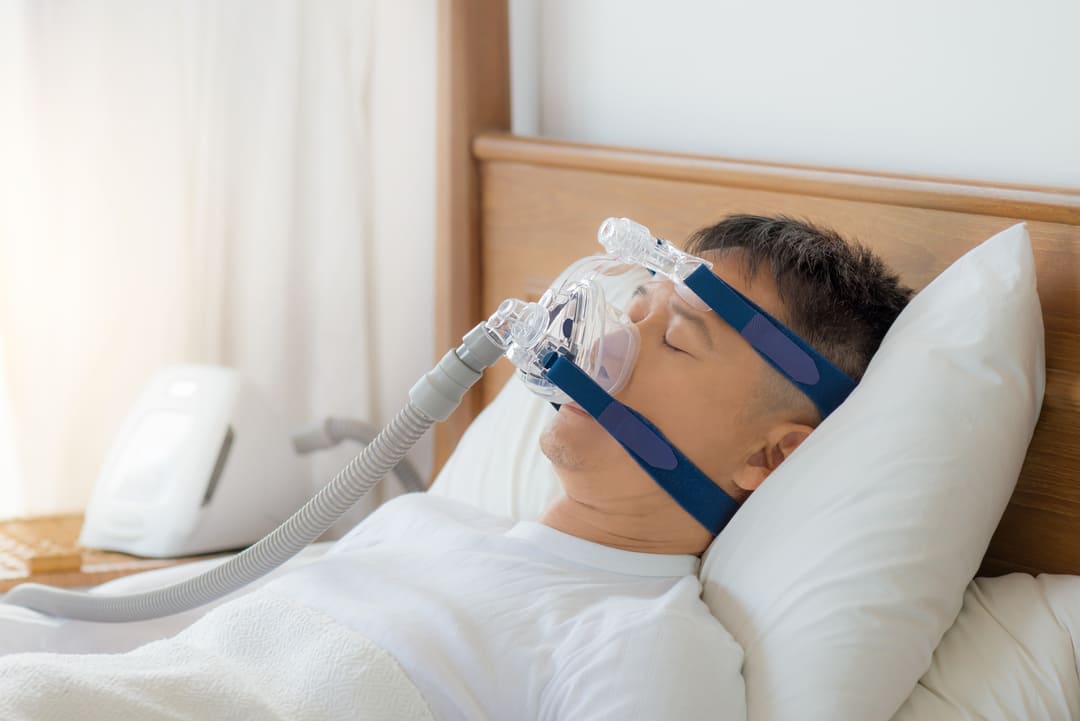
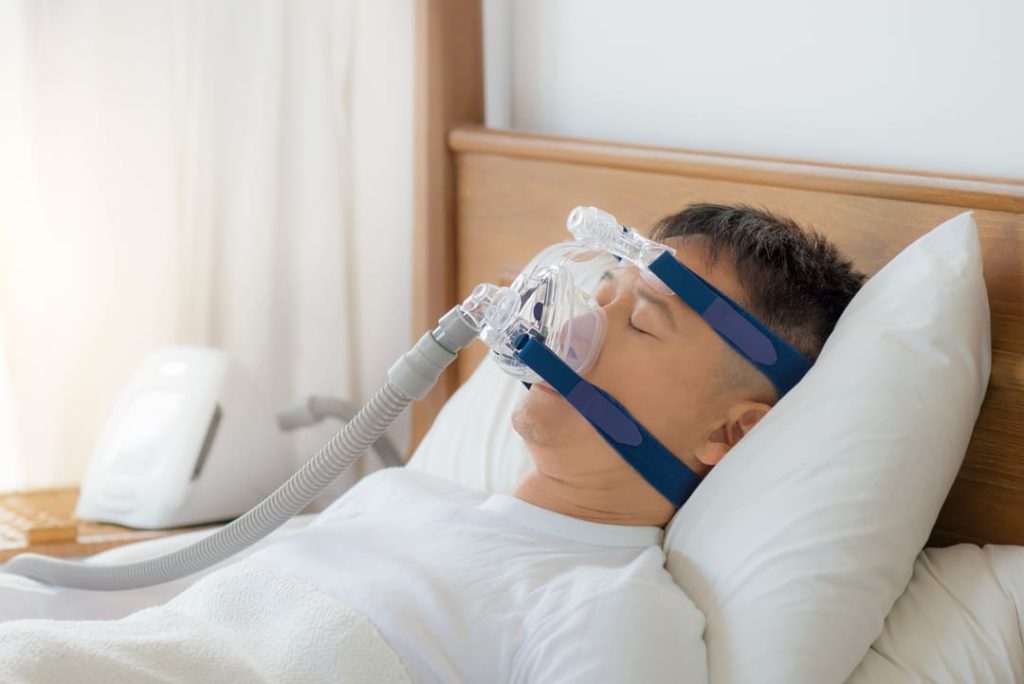
    If you receive a 50% or greater VA rating for sleep apnea, you’ll require one of the following qualifying breathing assistance devices:

    • Continuous positive airway pressure (CPAP) machine
    • Automatic airway pressure device (APAP)
    • Bilevel-positive airway pressure device (BiPAP, also known as NIPPV or NIV)
    • Nasopharyngeal appliances (Nasal dilators; nasopharyngeal stents)
    • Oral appliances (mandibular advancement devices (MAD); tongue-retaining mouthpieces)
    • Implanted genioglossal nerve stimulation devices

    Sleep Apnea Secondary to Sinusitis: Do I Need a DBQ?

    You don’t need a DBQ for sleep apnea secondary to sinusitis; however, it can help strengthen your claim. Adding a DBQ to your claim can make it a fully developed claim, where all of the evidence needed to decide a claim is present, and the VA rater can choose to decide your claim without sending you to a C&P exam.

    Is Sleep Apnea Secondary to Chronic Sinusitis and Rhinitis?

    Yes, if you have a primary service-connected diagnosis of chronic sinusitis or rhinitis, you may be eligible for a secondary sleep apnea connection. 

    If your chronic sinusitis causes congestion and inflammation, blocking your nasal passages, you will likely develop or worsen a previously diagnosed case of sleep apnea. 

    How Telemedica Can Help With Your Nexus Letter
    Understanding the need for a nexus letter for sleep apnea secondary to sinusitis may help secure a winning claim. The licensed, trusted professionals at Telemedica can help with your nexus letter, paving the way to the benefits you deserve. 

    You can contact us with any questions; we will gladly assist you.

  • VA Disability Rating for Knee Replacements

    VA Disability Rating for Knee Replacements

    When it comes to veterans navigating the complexities of VA disability ratings, particularly concerning knee replacements, understanding the intricacies of the VA disability rating system is crucial.

    In this guide, we will delve into the specifics of VA disability rating for knee replacements, shedding light on total knee replacement VA disability ratings and addressing common concerns, including the VA’s evaluation of knee replacement scars. 

    Let’s explore the key factors that influence these VA ratings and provide you with the knowledge you need to navigate the claims process with confidence.

    Table of Contents

    VA Disability Rating for Knee Replacement

    Can I a Get VA Disability Rating for Knee Replacement?

    Yes, the VA recognizes knee replacements stemming from service-related factors as qualifying VA disabilities.

    If your knee condition is service-connected and necessitates a replacement, you will be granted a temporary 100% VA disability rating for knee replacement—for the initial four months post-operation.

    Following this postoperative period, the VA conducts a reassessment of your condition, assigning a new VA rating accordingly. 

    In the case of a total knee replacement, a minimum knee replacement VA disability rating of 30% is awarded. 

    However, if you continue to experience pain or reduced functionality in the knee subsequent to the surgery, your rating may be higher, reflecting the extent of your impairment.

    However, In order to be eligible for a VA disability rating for knee replacement, it’s crucial to establish a direct link between your condition and your military service. 

    Having a knee replacement alone is not sufficient, the key factor is demonstrating that the underlying issue is connected to your time in the military.

    To establish service connection, you need to meet three requirements:

    • Provide a medical diagnosis of your current disability 
    • Provide evidence of an injury or disease that occurred during your military service
    • Establish a nexus (connection or link) between your in-service injury or disease and your present diagnosed disability through a competent medical evidence (e.g., a Nexus Letter)
    Total Knee Replacement Disability Rating

    Total Knee Replacement Disability Rating: Factors Considered

    In determining the disability rating for total knee replacement, the VA considers the range of motion, pain, instability, and any additional complications resulting from the surgery. 

    The severity of these factors influences the final rating percentage assigned to the veteran.

     It is crucial for veterans to provide detailed medical records and evidence to support their disability claim, including information about the surgery and its impact on their quality of life.

    VA Rating for Knee Replacement Scar

    What is the VA Rating for Knee Replacement Scars? 

    The VA rating for knee replacement scars is typically 10%—unless your surgical scar is both unstable and painful, which would be rated at 20%. 

    VA rating for knee replacement scars involve assessing the size, location, and resulting impairment caused by the scar post-surgery. Typically, the evaluation considers the visibility and impact of the scar in terms of functionality and discomfort.

    Factors such as the scar’s size, whether it causes pain or limitation in movement, and whether it affects the veteran’s ability to work or perform daily activities are taken into account. 

    A larger or more symptomatic scar might warrant a higher disability rating, especially if it significantly impairs the individual’s mobility or causes ongoing discomfort that affects their quality of life. 

    The rating process aims to fairly evaluate the scar’s impact on the veteran’s well-being and compensate accordingly for any resulting disability.

    You should document your scars thoroughly, including photographs and medical records, to ensure accurate evaluation by the VA.

    VA RATING FOR KNEE REPLACEMENT

    What is the Difference Between a Total and Partial Knee Replacement?

    The main difference between a total and partial knee replacement lies in the extent of the surgery and the portion of the knee joint that is replaced. 

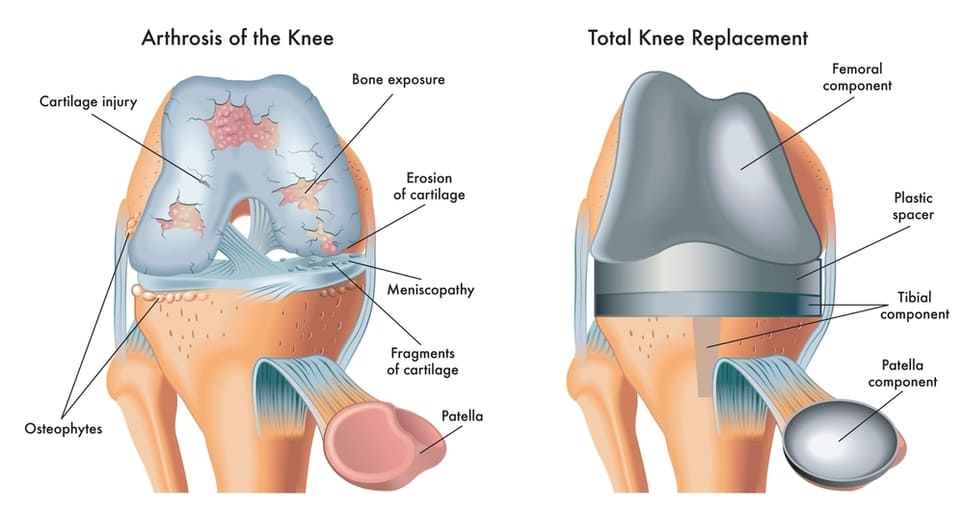
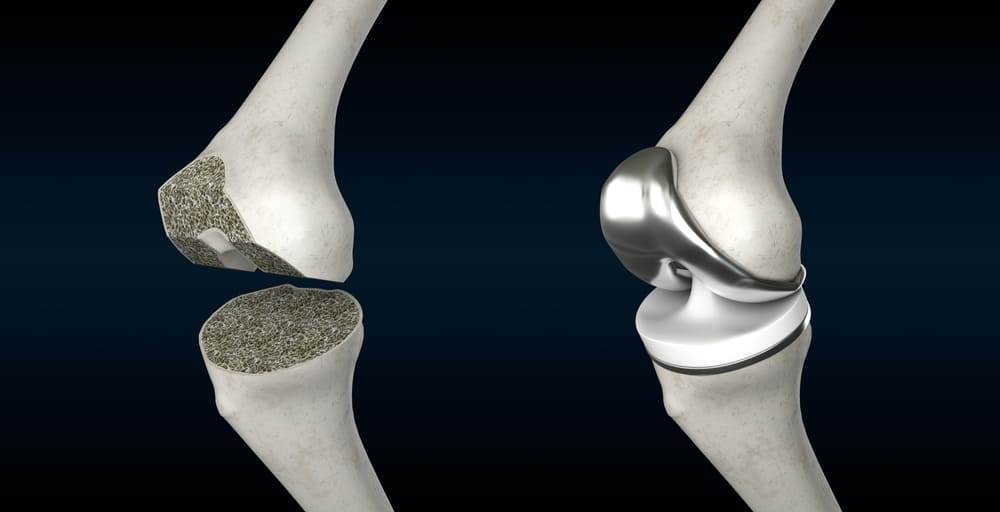
    In a total knee replacement, the entire knee joint is replaced with artificial components, including the femoral (thigh bone) and tibial (shin bone) components, as well as the patellar component (kneecap). This procedure is typically recommended for patients with widespread arthritis or significant damage across the entire knee joint.

    On the other hand, a partial knee replacement, also known as unicompartmental knee replacement, involves replacing only the damaged portion of the knee joint while preserving the healthy parts. This option is suitable for patients with arthritis or damage limited to one specific compartment of the knee. 

    Unlike total knee replacement, partial knee replacement surgery is less invasive, preserves more natural bone, and often results in a quicker recovery time. The choice between total and partial knee replacement depends on the extent and location of the knee joint damage, as well as the patient’s overall health and medical history.

    Conclusion

    Understanding how to qualify for a VA disability rating for knee replacements is pivotal for veterans seeking support. 

    This guide has shed light on the complexities, emphasizing the initial 100% rating and the subsequent assessments post-surgery. 

    Establishing service connection remains key, requiring evidence linking the condition to military service, alongside meeting specific criteria.

    Factors influencing total knee replacement ratings, including range of motion, pain, and complications, have been outlined, emphasizing the need for thorough medical records. 

    Additionally, the evaluation of knee replacement scars considers their impact on functionality and well-being.

    The distinction between total and partial knee replacements clarifies the surgical variances, highlighting the importance of medical decisions based on individual circumstances.

    Navigating VA disability ratings for knee replacements demands meticulous documentation and a clear understanding of how these ratings are determined. Armed with this knowledge, veterans can effectively pursue the support they deserve for service-related knee conditions.

  • What Veterans Can Do About Chronic Pain

    What Veterans Can Do About Chronic Pain

    Table of Contents

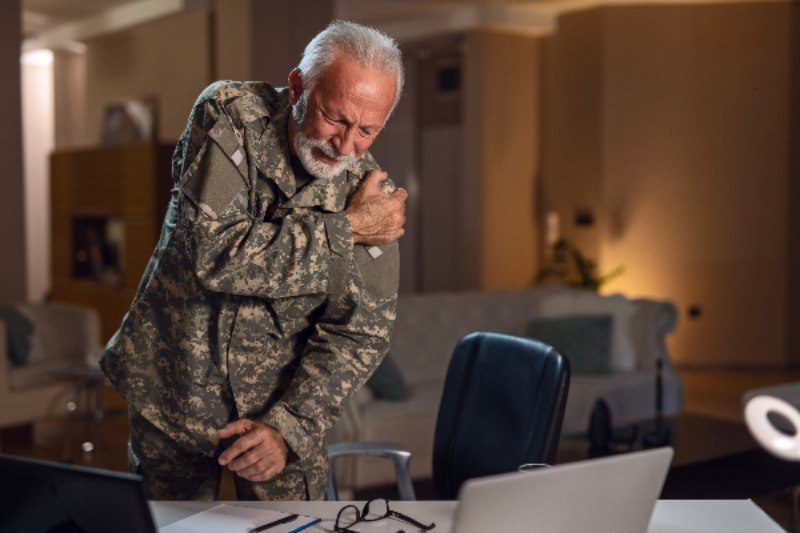
    Veterans living from chronic pain is an all-too-familiar story. In 2019, military veterans of nearly every age were more likely to experience chronic pain than nonveterans:

    • 27.1% vs. 9.4% for ages 20–34
    • 27.7% vs. 17.7% for ages 35–49
    • 37.2% vs. 26.3% for ages 50–64
    veteran chronic pain

    While unfortunate, if you’re a veteran experiencing chronic pain, there is some relief. In addition to the suggestions below, you can get help from veteran-friendly providers to help diagnose and treat your chronic pain. With the proper medical evidence and treatment plan, you can address your chronic pain head on and manage your symptoms.

    Before we go any further, let’s cover the definition of chronic pain.

    Veteran Chronic Pain Defined

    Johns Hopkins Medicine defines chronic pain as “longstanding pain that persists beyond the usual recovery period.”

    This pain may be “on-and-off” or continuous and may affect you to the point that you “can’t work, eat properly, take part in physical activity, or enjoy life.”

    Just a few of the types of chronic pain that veterans may experience are:

    • Neck, back, and/or joint pain
    • Headaches and/or migraines
    • Scar tissue pain
    • Muscle/myofascial pain (like fibromyalgia) 
    • Neurogenic (nerve) pain
    veteran chronic pain

    The VA considers chronic pain to qualify for disability (you may qualify for VA disability benefits for Chronic Pain) if all three of these conditions are met:

    1. It is a medically diagnosed condition. 

    2. It is the result of an in-service event, injury, or illness.

    3. The veteran is in possession of a medical Nexus Letter, which connects the condition to military service. 

    When you’re ready to move forward with the process of getting VA disability benefits, it’s important to seek out a diagnosis and/or a Nexus Letter to provide as medical evidence and bolster your claim. 

    6 Suggestions for Managing Veteran Chronic Pain


    You’re not forced to let chronic pain manage your life. These tips can help you manage your pain, so it doesn’t manage you.

    1. Goals

    Goal setting can help you be productive and progress toward something you want—like taking a hike with your dog. One step at a time, you’ll get closer to achieving your goal, keeping your mind motivated and engaged while you’re at it.

    2. Relaxation Techniques

    Since pain instinctively puts and keeps the body and mind in fight or flight mode, veterans with chronic pain suffer physically and mentally from all the ongoing stress. To combat this stress and allow the body/mind to relax, learn and practice the following techniques:

    • Progressive muscle relaxation
    • Diaphragmatic breathing
    • Meditation/guided imagery
    • Yoga/tai chi/qigong

    3. Cognitive Behavior and Acceptance and Commitment Therapies

    Patients of CBT and ACT work to change their mindset from “Why me?” to “What now?” This can be a very empowering paradigm shift. These therapies help you, as a veteran, move past the guilt and depression chronic pain can cause so you can feel more in control of your present and future life.

    how to manage veteran chronic pain

    4. Slow and Steady Activity

    Keeping your body immobile seems like a good idea to reduce pain, but the opposite can sometimes be the best choice. Getting up and moving gets the blood flowing and keeps the muscles strong. 

    Just be careful to not push yourself too hard. Even if your body feels like it’s good to keep going, you may suffer for it in the following days. Take it slow and steady—your body will thank you. As always, check with your primary care physician before starting any exercise regime, especially if you are living with an ongoing condition.

    veteran chronic pain

    5. Healthy Diet

    While it’s not always easiest to reach for healthy options, healthy diet and lifestyle changes can have a profound impact on overall health and even mental wellbeing. Eating an anti-inflammatory, colorful diet will go a long way toward fighting painful flare-ups. 

    6. Make the Most of the Good Times

    When your body feels relatively good, be sure to take advantage of it by spending quality time with those you care about the most. It can be helpful to keep a symptoms log so you can track which activities or situations improve your pain and which activities or situations tend to worsen your symptoms. That way you can focus on more of the good things that help improve your condition and be mindful of the things and activities that have a tendency to set you back.

    Telemedica is Here to Help

    If you’re a veteran with chronic pain, you may be able to receive VA disability benefits. Telemedica can help you take the first step. We help veterans get proper medical evidence for their condition so they can file a stronger claim. 

    Contact us today through email, phone, or live chat and get the support you deserve.

  • Nexus Letters for Veterans with Skin Conditions

    Nexus Letters for Veterans with Skin Conditions

    How to Get a Nexus Letter for VA-ratable skin conditions like Rosacea, Psoriasis, and Vitiligo

    When you think of getting help for service-related issues, your thoughts may immediately turn to PTSD or muscle pain. But the breadth of service-related issues reaches further than these commonalities. Even chronic skin conditions can be attributed to your service.

    If you think your chronic skin condition may result from your time in the military, let’s talk about how to get help with a VA Nexus letter.

    Table of Contents

    Get a Nexus Letter for your skin conditions

    Nexus Letter for Skin Conditions

    Certain events during your service may have led to your current chronic skin condition. Chemical exposure can lead your skin to absorb the toxin into your body, causing health hazards, including chronic skin conditions. 

    Meanwhile, chronic stress from service-related anxiety or PTSD can also exacerbate skin ailments.

    Nexus Letter for Skin Conditions.

    There are several skin conditions common among Veterans, including:

    • Rosacea: Characterized by a large collection of small red bumps on your cheeks and around your face. It may also create small, pus-filled blisters. Rosacea tends to flare up for a few weeks to a few months and can disappear on its own, though it often returns.
    • Psoriasis: An immune-mediated disease that produces a scaly rash anywhere on your body. This happens when your immune system accelerates skin cell growth without telling your body to shed your existing skin, leading to a build-up of excess skin.
    • Vitiligo: A pigmentation disorder where patients see small or large patches of skin slowly lose color. While vitiligo may be triggered by genetics or an autoimmune disorder, intense stress or trauma to your skin can also cause the condition.

    Getting a Skin Condition Diagnosis Can Help

    Many people with these types of skin conditions may not feel compelled to seek a diagnosis or treatment. However, a diagnosis for your chronic skin condition is the first step toward living more comfortably within your own skin. A doctor can reveal what treatment options are available to you and what you can do in your day-to-day life to better manage the symptoms.

    Diagnosing skin conditions is a relatively simple process. Most doctors only need to look at the affected area to get a good idea of what the condition is. They’ll also ask for your medical history, possible allergic reactions that might be causing the condition, and other skin-affecting problems.

    In some cases, your doctor may have to perform a skin biopsy or culture test to diagnose more complicated or nuanced conditions. You are then educated on next steps and optional treatments.

    Why You Should Get a Nexus Letter for Your Skin Condition

    Nexus Letter

    A Nexus Letter is a document that makes the case that your condition is related to either direct, secondary, or presumptive service connections.

    The Nexus letter can then be added to your VA claims file, which makes it much easier for Veterans to win their claim for medical compensation from your VA disabilty benefits. 

    Benefits of Connecting with Veteran-Friendly Doctors

    Mental Health

    Every doctor should be sympathetic toward Veterans and the medical conditions they carry from their service. However, connecting with medical providers who have experience working with Veterans can help clients obtain a timely, professional, and positive resolution.

    Telemedica’s network of medical professionals all have extensive experience helping Veterans obtain accurate and professional medical evidence. And with doctors licensed all across the US, you’re able to connect with a Veteran-friendly doctor near you, via telehealth appointment.

    Take Back Control of Your Skin Condition

    If you’re dealing with skin conditions as a result of your service, contact us today to talk to a member of our Customer Service team about getting started on your path to wellbeing.

    To get help with your VA Nexus letter, Telemedica will match you with a medical professional qualified to diagnose your skin condition (or any other service-related condition). Once the provider has conducted a thorough review of your medical documents and related evidence (through what we call a chart review), they can draft a Nexus letter asserting the service connection to your condition, if warranted.

  • The Top 5 Symptoms of Chronic Pain in Veterans

    The Top 5 Symptoms of Chronic Pain in Veterans

    Table of Contents

    Chronic pain may affect more than 50% of the 18 million Veterans in the United States, so if you’re a Veteran living with the symptoms of chronic pain, you’re not alone. However, at Telemedica we believe that you deserve to live a pain free and healthy life after your time in service to your country. 

    symptoms of chronic pain

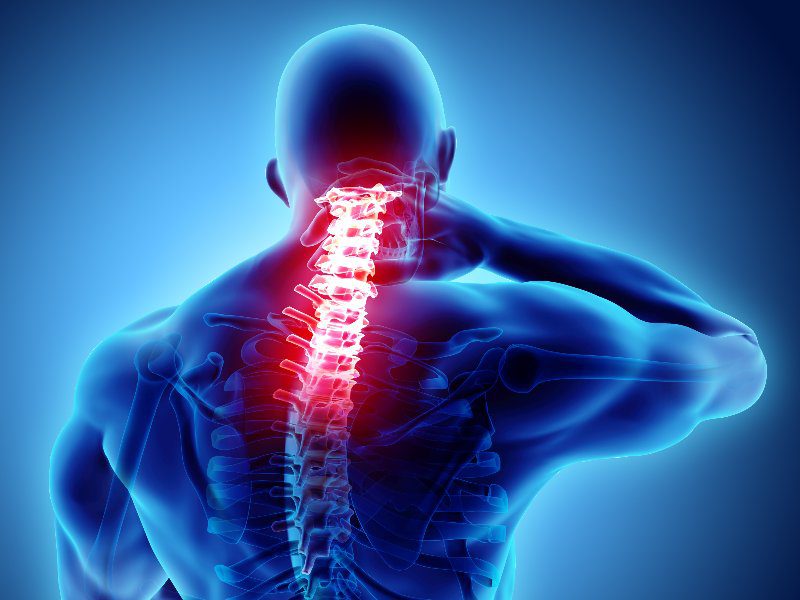
    While the symptoms of chronic pain may wax and wane, and can sometimes be difficult to identify, chronic pain can have lasting effects on the body – in some cases, chronic pain may arise as a result of another condition. This is what we would call a secondary service-connection. The symptoms of chronic pain might include phantom pains from an amputated limb, a back or spinal cord injury, or something similar. It is also possible to sustain an injury that goes unnoticed, or develop a small injury that can worsen over time with age or aggravation. 

    Chronic pain can surface unexpectedly for many Veterans at any point in their lives, so the topic of chronic pain is often a relevant conversation. We’re here to share five symptoms of chronic pain that can help you catch this condition sooner rather than later.

    What is Chronic Pain?

    Mental Health

    If you’re experiencing discomfort in one or more areas, and you can’t seem to find relief, it may be time to see a medical professional and/or obtain a diagnosis.

    Chronic pain is defined as persistent pain lasting for at least twelve weeks and that can significantly burden daily life – this pain can range from a nagging sensation to a pain that is more intense and overwhelming. 

    Veteran with symptoms of chronic pain

    What Are the Symptoms of Chronic Pain?

    Mental Health

    It can be difficult to spot chronic pain symptoms if you don’t know what you’re looking for.

    Since chronic pain can start as minor soreness and increase drastically in intensity, spotting this condition early can make long-term care much easier. Early detection and treatment can prevent this condition from worsening overtime. 

    If you were in active duty during your time in the military, you may have developed a habit of dismissing minor aches and pains – writing it off as something that simply “comes with the territory.” However, it is important to let your body rest and recover and seek help for these aches and pains – especially if they don’t have a logical explanation for developing.

    When seeking out help or treatment, identifying the five most common signs of chronic pain is a great place to start. The most common signs are: 

    1. Joint pain
    2. Burning pain
    3. Muscle aches
    4. Fatigue
    5. Depression or anxiety

    While chronic pain can be consistent, you may have some days where the flare-ups are worse than others. A great practice is to keep a pain journal so you can study your symptoms and make educated decisions in finding help. 

    How to Treat Chronic Pain

    Mental Health

    Treating chronic pain can feel like an uphill battle, especially when you’re trying to tackle it on your own.

    Luckily, a wide range of resources and support is available to you. While we may not have found a cure-all solution for chronic pain, there are many options to ease symptoms and provide a higher quality of life while you are identifying the root cause of your pain. 

    From traditional avenues to lifestyle adjustments, here are some ways to find relief from chronic pain.

    • Medication: For acute pain, many medications can ease symptoms in the short-term but may not be a sustainable long-term solution. It’s important to talk to your doctor before starting any new medications and to understand the potential risk factors and possible side effects involved. If your pain makes daily tasks feel unbearable, medication can alleviate your symptoms while you address the underlying issues. When you’re no longer in debilitating pain, you can seek out long-term treatments and solutions that better fit your needs if necessary.
    • Massage therapy: Massage therapy can provide great relief for those struggling with joint and muscle pain. There are varying techniques, but overall it involves rubbing and kneading muscles and joints to relax tense muscles and alleviate pain.
    • Talk therapy: Veterans seeking treatment for chronic pain may find that there’s a connection between their symptoms and PTSD. Mental health conditions can exacerbate pain and make it harder to manage. Talk therapy can be an effective way of managing both.
    • Mindfulness: Just like talk therapy, mindfulness techniques can alleviate some of the daily struggles with pain. Meditation for relaxation and journaling about your symptoms can increase awareness and help you locate the source of the pain. In the long run, this can be a good way to find a long-term solution.
    • Healthy living: Lifestyle changes can make all the difference in managing chronic pain. You’ll see improved results when your body is well-equipped to deal with your condition. Eating well and regularly exercising are great places to start. It’s also important to drink lots of water and take vitamins and supplements that support your overall cellular health. Be sure to discuss the right supplement regimen with your doctor or natural path before taking new vitamins or supplements. 
    Back Pain

    The best way to alleviate your chronic pain is to treat it at the source. Talk to your doctor about your chronic pain and remember to include as much detail as possible when talking about your symptoms. It may be difficult to identify where the pain originated, but it is possible to reverse your chronic pain and live comfortably. 

    Many options are available to you for resources and support in your journey. You don’t have to struggle alone. After your time in service, it’s time to relax and focus on caring for yourself. 

    Reach Out to Telemedica to Start Your Journey

    If you’re a Veteran experiencing chronic pain, contact Telemedica today. Our team can provide you with a Nexus Letter and get you started on the path to receiving your VA benefits. 

    Take a look at our provided services and begin easing your symptoms as soon as possible. Let us help you reclaim your health and your life.

  • Is There a Link Between PTSD and Migraines?

    Is There a Link Between PTSD and Migraines?

    Living with PTSD can be stressful enough on its own, but when recurring migraines start showing up as well, it can make navigating day to day life even more difficult and challenging. Few people discuss the link between these two frequently occurring afflictions, but there is reason to believe there’s a strong connection. A 2015 study found that individuals with both PTSD and migraines “may be particularly prone to adverse financial, health, and interpersonal burdens.” 

    Table of Contents

    PTSD and Migraines

    PTSD & Migraines

    Though headaches don’t receive the same kind of attention in terms of mental health, when daily migraines plague you, it’s important to identify the cause, which could be related to your overall mental health. 

    Having PTSD means being at a higher risk of developing different health issues. Pain is one of those, and headaches or migraines are a significant source of intense pain for many individuals. In this blog, we will analyze the link between PTSD and migraines and provide information that can help Veterans –  just like you – take the next step towards healing.

    What is Post-Traumatic Stress Disorder (PTSD)?

    Mental Health

    Post-traumatic stress disorder (PTSD) develops when an individual witnesses a shocking, dangerous, or frightening event.

    While it’s normal to feel afraid during traumatic situations, those who feel affected for a long time afterward may be diagnosed with PTSD.

    PTSD is characterized by people who feel stressed or frightened, even when they aren’t in danger. This is a common affliction for Veterans who saw combat. Ongoing, chronic PTSD is when someone regularly experiences symptoms for years after the event.

    What is a Migraine?

    Mental Health

    A migraine is an intense headache that causes severe, throbbing pain (typically on one side of the head).

    It can also be accompanied by nausea, vomiting, and sensitivity to light and sound. These attacks often last longer than your average headache, anywhere from hours to multiple days. 

    Migraine pain can be severe to the point of disability. It can be extremely frustrating when you experience them frequently enough to interfere with your daily activities.

    Can PTSD Cause Migraines?

    Mental Health

    Having PTSD can be linked to an increased risk for migraines.

    The stress of an PTSD episode can push your body to develop different types of headaches, which may escalate into migraines. While daily headaches can be a nuisance and hinderance to your daily life, migraines are more likely to stop you in your tracks.

    PTSD Headaches.

    People are typically prone to migraines before developing PTSD, meaning that it is not the underlying cause. Healthcare experts still haven’t figured out the exact cause of migraines, but they believe a genetic component is involved. So while it is not the direct cause, it is a possibility that PTSD triggers migraines.

    Is that possibility enough? There is precedence for the VA ruling that migraines can be secondary to service-connected PTSD.

    The intensity of your migraines could also be linked to the severity of your PTSD. These painful occurrences could provide healthcare professionals with additional information to better treat your other symptoms in a best-case scenario.

    How to Manage Your Migraines

    Mental Health

    Managing your migraines can feel overwhelming. If your daily life is continually put on hold due to persistent headaches, there are ways to manage your pain levels.

    Managing migraines secondary to PTSD can help reduce triggers in the long run. Options like cognitive behavioral therapy can be helpful to reduce stress. Diagnosing PTSD can also go a long way toward significantly reducing migraines. Receiving a diagnosis means that you’re one step closer to understanding what is going on internally and how you can move forward with treatment.

    Treating both PTSD and migraines is the best way to reach a solution. Getting a diagnosis is the first step, and from there you can reach out to a healthcare professional for recurring treatment.

    In the meantime, here are a few ways to manage your migraines naturally: 

    • Water. Drinking enough water is a natural way to reduce migraines. Dehydration can lead to flare-ups, so be sure to keep up on your water intake. 
    • Cold compress. While cold and warm compresses can be used, a cold compress is usually the best option. Be sure to place a cloth between your skin and the ice pack for protection. 
    • Ginger tea. This herbal tea has been shown to have a similar effect to traditional medication when treating migraines. 

    Schedule an Appointment with Telemedica

    What else can you do for your PTSD and migraines?

    The first step to getting help is a diagnosis. Telemedica offers services to assess your symptoms and provide you with an accurate diagnosis from trusted professionals. Book an appointment today to start on the road to recovery. Additionally, if you have a diagnosis for a headache condition and feel it may be connected to service or a service connected condition, you may consider a Nexus Letter from Telemedica as well. 

    If you are a Veteran in need of recurring therapy tailored to your specific needs, you can book a recurring therapy session with us today!

    Untitled design 38 e1658520481699

    This blog has been verified by Telemedica’s lead Nexus Team provider Tara Thompson (PA-C; MPAS). The information provided here is factual, up to date, and approved by our professionals.

    To learn more about our team of providers, click here. 

  • How to Cope with Veteran Chronic Pain

    How to Cope with Veteran Chronic Pain

    Table of Contents

    Chronic pain is something a lot of people deal with, but suffering from it isn’t as common among younger age groups. Typically, chronic pain develops as a result of a progressing medical condition, or due to the wear and tear of getting older. But there is one demographic that experiences it way more frequently, and often starting at a much younger age. Veterans.

    Service-related chronic pain is a common complaint among vets, and service-connected disabilities or diseases are almost always the cause. Some examples of chronic pain include fibromyalgia, SSD, chronic back pain, chronic pelvic pain, repetitive stress injuries, training injuries, etc. Some Veteran’s chronic pain can be removed altogether or reduced in severity, but some chronic pain may be long-term or even life-long.

    Veteran Chronic Pain

    Either way, whether full or partial recovery is on the horizon, or the pain will be lifelong, it’s important to know what you can do to cope with the pain, so you can reclaim some of your normalcy and independence. In other words, with the right pain management techniques, you don’t have to be defined by your pain. 

    So, if you’ve been struggling to enjoy life the way you used to because of pain from a chronic medical condition, then keep reading. 

    The Mental Illness Connection

    How to Help a Family Member with Mental Illness

    Mental Health

    Chronic pain usually has physical causes and effects, but there are often interactions with neurological and psychological aspects as well.

    Some chronic pain is caused by issues in the brain, such as migraines caused by a traumatic brain injury or conditions like depression and anxiety. 

    Similarly, chronic pain disorders can often lead to secondary disabilities such as mental health conditions including anxiety, depression, and PTSD.  Even worse, as some vets seek to self medicate to alleviate the pain, they can develop substance abuse disorders.

    The mental and emotional aspects of chronic pain can be debilitating. This is why we include both physical and psychological coping techniques for the chronic pain Veterans often suffer. 

    Veteran Chronic Pain

    4 Ways to Mentally Cope with Chronic Pain

    brain

    Because of the strong connection between chronic pain and mental illness, we feel it’s important to talk about different emotional skills you can practice as you learn how to cope with chronic pain.

    1. Receiving and Understanding Your Diagnosis

    There are three main questions that patients with chronic pain tend to ask:

    1. What is my medical condition?
    2. How is it treated?
    3. Will I ever feel better?

    Although it can be tempting to go looking for answers to these questions online, it is best to seek out real, personalized answers for your specific scenario. Receiving a proper diagnosis from a medical professional and following the advice of your doctor on what to expect is the best first step.

    You may have already been diagnosed with a chronic pain condition, but your condition may be worsening. In this instance you could request an increase in your disability rating by showing that you condition is progressing. If you are in need of medical diagnosis, Nexus, or evidence for your disability increase, Telemedica can help.  

    “I feel that the whole process from beginning (scheduling) to end, the actual appointment was very easy and stress-free!”

    To read more about what our clients have to say about our services click here.

    Veteran Chronic Pain

    2. Accepting Your Situation

    Acceptance means having an appropriate attitude and response to a chronic pain condition. Try not to “catastrophize” your pain (anticipating the worst possible outcome) as this can actually lead to less effective pain treatment outcomes. Also, it is best to limit saying things like “I should be feeling better by now,” or, “I should be able to help more around the house.” Everyone’s recovery journey looks different and healing takes time. Be gentle with yourself.

    If you’re having a hard time coping with your recovery (which is understandable), it is a good idea to seek the help of a certified therapist. There are even some therapists that have additional training and specialization to help Veterans specifically. They can give specific counsel and motivational techniques that can shift your negative thinking into something more accurate and positive. 

    3. Calming Your Body

    Pain is a stimulus, and having ongoing stimuli can cause a rise in stress levels. Therefore, a good skill to practice is calming yourself down when stress starts to take over. A few positive ways to manage stress include doing yoga or going for a walk. These activities allow your body’s endorphins to act as a natural painkiller which in turn can reduce your stress response. You can also try to reduce your stress by slowing your breathing (by taking long, deep breaths) and through positive self-talk.

    Meditation

    4. Balancing Your Lifestyle

    You can be more physically and emotionally present when you balance your time between activity and relaxation. Nothing good is born from pushing yourself beyond your limits, or by isolating yourself from others. 

    Managing your time well, setting realistic goals, and sticking to a healthy sleep schedule will give you the energy needed for spending quality time with family and friends. 

    How to Physically Cope with Veteran Chronic Pain

    medical icon

    Simply taking a pill for your chronic condition is one way to treat pain, but “chemical coping” isn’t the answer. This only leads to other negative impacts on your health and can possibly even lead to a substance abuse disorder.

    But that doesn’t mean you have to cope with chronic pain without any physical pain management. Closely follow a prescription treatment plan provided by your doctor and also try other pain treatments we suggest below. 

    There are plenty of other tried-and-true tips for treating veteran chronic pain. Here are just a few:

    • Take a break before pain starts.
    • Stretch and strengthen your muscles.
    • Move your body throughout the day (motion is lotion).
    • Get a massage.
    • Try heat and cold therapy.
    • Improve sleep habits.
    • Make healthy food choices.
    • Limit caffeine and alcohol.
    • Don’t smoke.
    • Do something you love.
    • Share how you feel with your support network.
    • Say something nice to yourself.
    • Practice biofeedback.
    • Consult your doctor and/or mental health professional, or set up an appointment with Telemedica today.

    Additionally, depending on the cause of the pain and where it’s located, physical therapy can do a great deal to decrease the severity and improve normal body functionality. 

    Chronic Pain

    4. Balancing Your Lifestyle

    Taking a holistic approach to coping with chronic pain can lead to an outcome you can live with, which is why we at Telemedica offer psych evaluations and telemedicine evaluations via telehealth visits. We can provide Nexus Letters and other forms of medical evidence so that vets can get the benefits they need for their chronic pain or illness.

    If you’re a veteran living with chronic pain due to an injury or event in service, schedule a Telemedica visit today.