Author: Elizabeth Crain

  • Recurring Therapy for Veterans with PTSD

    Recurring Therapy for Veterans with PTSD

    Table of Contents

    Post-traumatic stress disorder (PTSD) affects about 20% of US military Veterans. It is also a major cause of mortality for these men and women. While PTSD extends beyond the military, war Veterans are especially susceptible to this condition. 
    Therapy for Veterans with PTSD

    Therapy for Veterans with PTSD

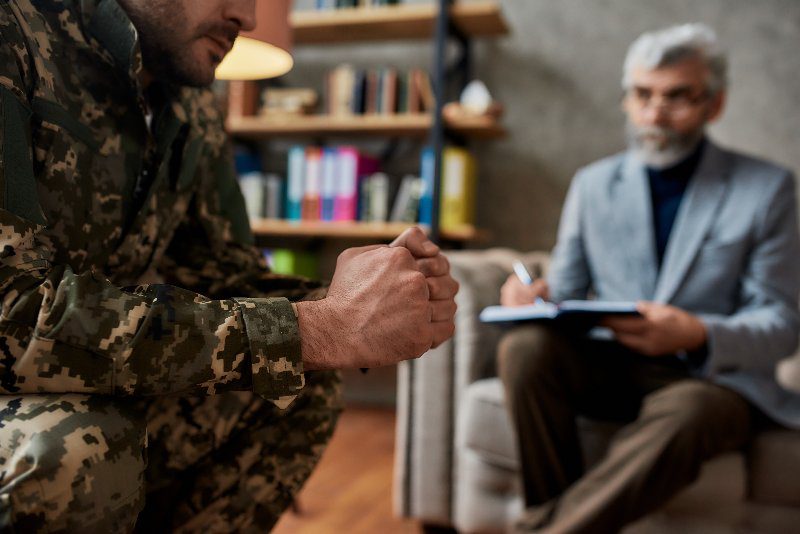
    Not only are Veterans more likely to have PTSD, but they also suffer from a lack of available resources. Timely access to therapy for Veterans with PTSD can have a tremendous positive affect on your quality of life. 

    In this article, we will explore a few of the most common types of recurring PTSD therapies that can help bring relief in both the short and long term.

    What Are My Treatment Options?

    When you dive into PTSD research, it can be hard to sort through all the options, seeing as you have a variety to educate yourself on.

    To help simplify things, we’ve broken down some of the most common and effective therapy options for Veterans suffering from PTSD. 

    Cognitive Behavior Therapy (CBT)

    Mental Health

    Cognitive behavior therapy (CBT) is a kind of psychotherapy that is effective in treating PTSD.

    The great thing about CBT is that its short and long-term results can bring about lasting relief. 

    CBT is centered on the traumatic event(s) regarding treatment. The goal is to identify, examine, and change thought and behavior patterns. It’s an active treatment, meaning that patients will have to engage outside of their weekly sessions. 

    Prolonged Exposure (PE)

    Mental Health

    Prolonged exposure (PE) therapy is a form of CBT that aims to help Veterans stop avoiding trauma triggers.

    While avoiding reminders of your trauma may help alleviate symptoms in the short term, it is not a sustainable solution. PE therapy can help you face your fears and develop healthier thinking and behavioral patterns. 

    PTSD and Migraines

    Cognitive Processing Therapy (CPT)

    Mental Health

    Cognitive processing therapy (CPT) is another form of CBT, but it is different in that it aims to foster recognition and reevaluation of thinking related to trauma.

    The treatment process concentrates on perspective and how people view themselves and the rest of the world after a traumatic event. 

    For Veterans who place blame on themselves for traumatic events, this type of therapy can be especially effective and necessary. CPT helps you learn to evaluate whether your thoughts are based on facts and find more productive ways of viewing your trauma. 
    We offer Mental Health Evaluations and Recurring Therapy for Veterans suffering from PTSD and other mental health issues. To book an appointment with one of our licensed Psychologists or therapists, click here.

    Stress Inoculation Training (SIT)

    Mental Health

    Stress inoculation training (SIT) is a type of CBT that can teach Veterans to reduce anxiety through stress coping skills.

    The main goal of SIT is to teach you to react differently when symptoms arise. SIT can be used as a standalone treatment, but it can also go hand-in-hand with other types of CBT. This can make it an effective addition to any Veteran’s treatment plan.

    Eye Movement Desensitization & Reprocessing (EMDR)

    Mental Health

    EMDR is a type of therapy that is used to treat trauma, depression, phobias and grief.

    This therapy doesn’t require the patient to do much talking in their EMDR appointments past the initial assessment where you’ll talk about your traumas and work out a treatment plan with your therapist.

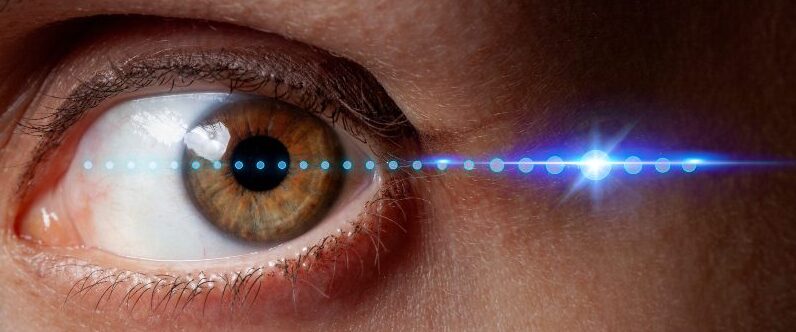
    During the EMDR appointment, you will think of the stressing event as the therapist leads you through the trauma by way of images, emotions, and body sensations. This therapy helps the logical side of your brain work with the emotional side of the brain to process trauma. 

    Two prerequisites for this therapy are needed. The first is that the patient must have good vision and the second is that the patient must have good coping skills in place because the first few sessions can be very triggering. 

    Although the first few sessions can be hard, there is good news for Veterans who chose this mode of therapy to treat their PTSD. A report by the National Library of Medicine states that “previous published research indicate that EMDR therapy can resolve a single-incident trauma memory in three to-six sessions 77–100% of the time.”

    The Importance of Recurring Therapy

    medical icon

    As you can see, there are lots of options to choose from. Your healthcare provider will be able to assess your symptoms and know which treatment plan is best for your unique needs. 

    In the short term, there are many tips and tricks to alleviate the struggle of PTSD. However, recurring therapy can bring about long-term relief. While it may be tempting to decrease the number of prescribed sessions or skip them altogether, studies show that healing comes with adhering to consistent therapy sessions.

    Recurring Veteran PTSD Therapy

    If you’re looking for a veteran PTSD therapy program, you’ll want to find one that provides high-quality care on a recurring schedule. Getting diagnosed is the first step. After receiving the diagnosis, you may decide that ongoing therapy is the next right step for you.

    Veterans suffering from PTSD could greatly benefit from recurring therapy for PTSD, but it’s not always easy to access the level of high-quality care you deserve.

    Talk with your doctor or therapist about setting up a plan and schedule to get the quality care you deserve.


  • Mental Health Evaluation (7 Key Facts for Veterans)

    Mental Health Evaluation (7 Key Facts for Veterans)

    Table of Contents

    As you prepare to submit a claim for VA disability, you may be asked to attend a mental health evaluation.

    But what is a mental health evaluation, and do you need one before you submit your VA claim? 

    This post will look at 7 key facts to guide you through the process of your mental health evaluation, leaving you feeling confident as you walk into your appointment.

    #1 What is a Mental Health Evaluation?

    Mental Health Evaluation.

    A mental health evaluation is essential in helping identify specific disorders that could result in a VA disability rating. A licensed professional conducts the evaluation and allows you to discuss your condition. 

    Afterward, the VA will determine which diagnosed mental health condition relates to your claim. VA disability ratings range from 0-100% for mental health conditions, with most veterans falling into the 30-70% category.  

    While you can only be rated for one mental health condition, the VA will review your medical records to understand how your mental health conditions affect your social and industrial functioning. 

    For example, if you suffer from PTSD and depression from your military service, you will receive the highest rating based on how the condition affects your life. So, if you receive a 70% rating for PTSD and a 50% for depression, you will be awarded a 70% disability rating. 

    Generally, a mental health evaluation lets the VA know more about your condition and how it impacts your daily life. 

    While it can be uncomfortable to discuss personal information, like your mental health, it’s essential to be open, so you can receive the benefits and compensation you deserve.
    #2 Why Do I Need a Mental Health Evaluation?

    If you are seeking a VA disability rating for a mental health disorder, you’ll likely be required to have a mental health evaluation. This evaluation helps the VA understand the severity of your condition and how it affects your daily life. 

    In addition, a mental health evaluation helps determine which condition you will be rated for. The VA refers to the Diagnostic and Statistical Manual of Mental Disorders (DSM IV or DSM 5) when assigning appropriate evaluations using the Mental Disorder Criteria in the VA Schedule for Rating Disabilities. 

    A mental health evaluation can help with early detection and intervention for your condition and allow you access to mental health care services, which can greatly improve your quality of life.

    If you require mental health services immediately, you can connect with a Veteran Crisis Line responder any time of the day by:

    #3 Can I Get a Mental Health Evaluation Near Me?

    Most likely, yes! If you currently see a primary care physician, they can help you make an appointment with a VA mental health provider close to your home. 

    You can also connect with VA mental health providers through the VA telemental health program, allowing you to chat with someone from your computer or mobile device. 

    If you don’t currently use VA medical services, you can find the nearest VA medical center or Vet center to schedule an appointment. 

    Sometimes getting an appointment with the VA is challenging, but we can help. Telemedica offers mental health exams with our team of licensed and professional providers who will perform one of the following:

    • One-time mental health assessment that can include a diagnosis, or
    • Comprehensive, evidence-based medical examination 

    All you have to provide is your DD214 and benefits summary, but we also recommend providing personal statements, buddy letters, and medical records to help support your claim.

    #4 What is a Mental Health Evaluation Like?

    The idea of a mental health evaluation may seem intimidating, but remember, the professional on the other side is there to help. Generally, the evaluation will begin with discussing your current symptoms and any family history of mental health conditions. 

    You don’t have to do anything to prepare for your evaluation; instead, take time for self-care on the day of your exam to help clear your head. 

    However, remember to be honest during your evaluation and be open about your problems. The clearer picture you present, the greater your chance of winning your VA disability claim.

    #5 What Questions Are Asked During a Mental Health Evaluation?

    Every mental health eval is different because every veteran is different. However, common questions are asked, which can help you prepare for your exam. 

    Examples of questions you might be asked during your VA mental health evaluation include:

    • What are your symptoms?
    • Was there a specific event in your military service that brought on your symptoms?
    • How often do your symptoms affect your daily life?
    • How long do your symptoms last?
    • Are you taking medication for your condition?

    It’s a good idea to keep a diary in the weeks leading up to your evaluation so you don’t forget anything at your appointment. You can also talk to a close friend or family member about their thoughts on your condition and see it from their perspective. 

    Finally, try to avoid answering with a yes or no, and instead, explain your answers and thoroughly provide information about your condition and symptoms. However, it’s always important to never exaggerate your symptoms during a mental health evaluation.  

    #6 How Long Does a Mental Health Evaluation Take?

    While there is no set time for a mental health evaluation, you can expect to be there for about 1-2 hours. The time varies from one person to the next because everyone has different needs and conditions. 

    Generally, a mental health evaluation with Telemedica takes about an hour, but you can request extra time if needed. Our licensed professionals want you to feel as comfortable as possible, so don’t hesitate to ask for additional time. 

    If you received a mental health evaluation from the VA and didn’t feel like you were given adequate time, you should report your concern to the VA.

    #7 How Much is a Mental Health Evaluation?

    While you don’t typically have to pay for a mental health evaluation through the VA, you may incur expenses associated with travel. However, the VA provides specific services for free related to mental health, like readjustment counseling and a registry health exam. 

    Interested in receiving a mental health evaluation through Telemedica? You can check our prices online and book an appointment today. 

    Need Additional Assistance With Your Mental Health Evaluation?

    Our team of licensed professionals is standing by at Telemedica to help with your mental health evaluation. We understand the importance of getting the benefits and compensation you deserve, and we can help with your journey to success. You can contact us today to see how we can help you!

  • Does the VA Still Accept DBQs?

    Does the VA Still Accept DBQs?

    Table of Contents

    What veteran doesn’t want a higher disability rating? If that sounds appealing to you, then you want to consider having a VA Disability Benefits Questionnaire (DBQ) filled out by a licensed medical provider. A VA DBQ helps C&P examiners gather essential medical information to process a veteran’s disability claims.

    Does the VA still accept DBQs?

    While you aren’t required to submit a VA DBQ, it can potentially lead to a higher disability rating. This post will cover the basics of VA DBQs and whether your claim would benefit from one.

    What is a VA DBQ?

    Healthcare providers use a VA DBQ during exams, including the Compensation & Pension (C&P) exam, to help rate and record a veteran’s disability. The VA then obtains the DBQ from the physician to determine a disability rating. 

     A VA DBQ typically includes a diagnosis of the condition, past and present medications, signs and symptoms, and the functional impact of the condition.

    Does the VA Still Accept DBQs?

    The VA still accepts DBQs, and in 2021, they began allowing the use of public DBQs, meaning it was no longer required to have a VA or VA-contracted physician complete the form. Now, veterans can have their preferred doctor fill out a VA DBQ. 

    Does the VA still accept DBQs?

    While any civilian provider can complete a VA DBQ, it’s best to go directly to your physician, as the VA has a higher value on their viewpoint. Some civilian doctors will refuse to complete a DBQ, but they can still address the questions on the form and add relevant information to your medical records. 

    What are Public VA DBQ Forms?

    If you choose to have a civilian physician complete a VA DBQ, you provide them with a VA Public DBQ form. While it is highly recommended to obtain a VA DBQ, the VA won’t reimburse you for expenses related to an examination by your private doctor. 

    There are 71 Public DBQ forms, some specific to a condition, while others are more general. For example, the VA DBQ for Depression and Anxiety falls under the VA DBQ Mental Disorders, while the VA DBQ for Radiculopathy typically falls under the VA DBQ Back (Thoracolumbar Spine). 

    More specific DBQs include:

    If your doctor can’t find your exact condition listed on a VA DBQ, they will find the one most closely related. 

    You must print out a VA DBQ form before visiting your doctor, which they will review and complete at your appointment. Once completed, you’ll keep a copy for your records and send the completed form to the VA. It’s always best to review the form before mailing it to ensure the information is accurate.

    Does the VA still accept DBQs?
  • What Is a Mental Health Evaluation?

    What Is a Mental Health Evaluation?

    Table of Contents

    Before veterans can receive help from the VA, they have to go through a mental health evaluation. This evaluation is the first step towards a diagnosis and treatment from the VA. 

    Here’s what you need to know about what a mental health evaluation is and how to best prepare for it. 

    What to Expect During a Mental Health Evaluation

    A mental health evaluation is like a physical, but for your mental health. The goal is to provide a better picture of how a veteran feels, reasons, thinks, and remembers.

    An assessment is usually a one-on-one meeting with a licensed professional where you talk about your mental health. This may include conversations about:

    • Current symptoms: Self-identification of symptoms is a key part of a mental health evaluation. How you feel and what you notice in your own thoughts and behaviors are excellent benchmarks when determining your mental health.
    • Family history: A veteran’s family history will include a brief look into family members and their mental health. Having family members with depression, anxiety, ADD/ADHD, bipolar disorder, obsessive-compulsive disorder, schizophrenia, addictions, or dementia, increases your risk for similar mental health issues. 
    • History of substance use and abuse: Your history will include legal prescriptions, alcohol, tobacco, and illegal substances. Be honest in your evaluation about the frequency and amount of substances you currently use or have used. Remember: strict federal privacy regulations protect the information you share – it will not be used against you. 
    • Medical history: Chronic disease or illness can affect your mental health and put you at a higher risk of depression. 
    • Social history: This will include aspects of your life that can affect your mental health that may be less obvious. This may include conversations about your diet, exercise, friends, and social habits. 
    Mental Health Evaluation

    How Can I Prepare for a Mental Health Evaluation?

    You don’t have to do anything special to qualify or prepare for an evaluation. Being willing to honestly talk about your mental health is the best first step. 

    Mental Health Evaluation

    However, if you are worried or anxious about the mental health test, take 15 to 20 minutes to consider these questions to help you prepare: 

    • What are your mental health symptoms? 
    • What are your troubling thoughts and behaviors?
    • What makes the symptoms worse?
    • How long do the symptoms last? 
    • How often do the symptoms occur? 

    How Do I Navigate a Mental Health Evaluation?

    It can be easy to feel overwhelmed when talking about your emotions. Below are a few recommendations for how to best navigate your mental health evaluation if you’re feeling nervous. 

    Be honest throughout your examination:

    It’s normal to feel uncomfortable talking about your mental health, but the examiner can only get the full picture if you’re honest. If you are worried about being accurate, invite your spouse or significant other to sit in the examination with you. They may be able to fill in the gaps and give an objective point of view. 

    Focus on how you are actually doing rather than how you would like to be doing:

    If you are having a difficult time, notice that something isn’t right, or are worried about your health, be honest. The more direct you are, the better the evaluation will go. Being honest about your state of mind will also give the examiner a clearer picture of your condition – the more information the better!

    Be direct with your provider:

    By being clear about your problems and knowing what to say, you can control the evaluation. If you’re afraid that you don’t know how to explain yourself, practice beforehand how to accurately explain your symptoms to another person.  If you tend to forget your train of thought when you get overwhelmed, try writing your thoughts down so you don’t miss anything you wanted to discuss.

    Mental health evaluation

    How Long Will a Mental Health Evaluation for Disability Claims Take?


    There is no set time for a mental health assessment, because the mental health evaluation questions are determined by the condition(s) listed on your claim for benefits.
     

    Depending on the number and types of disabilities claimed, your examination time can vary. Mental Health Evaluations through Telemedica typically last for about 60 minutes, but more time can be added to the evaluation at the veteran’s request.

    If you are scheduling a Mental Health Evaluation with a provider you are unfamiliar with, you can always ask how long the appointment will last so you can be properly prepared. 

    Schedule a Mental Health Evaluation with Telemedica

    Do you need medical evidence for your VA disability claim? Telemedica’s Psych Team conducts Mental Health Evaluations for veterans across the US though a secure, telehealth platform. Contact the Telemedica Psych Team today to see how we can help.

  • What Veterans Can Do About Chronic Pain

    What Veterans Can Do About Chronic Pain

    Table of Contents

    Veterans living from chronic pain is an all-too-familiar story. In 2019, military veterans of nearly every age were more likely to experience chronic pain than nonveterans:

    • 27.1% vs. 9.4% for ages 20–34
    • 27.7% vs. 17.7% for ages 35–49
    • 37.2% vs. 26.3% for ages 50–64
    veteran chronic pain

    While unfortunate, if you’re a veteran experiencing chronic pain, there is some relief. In addition to the suggestions below, you can get help from veteran-friendly providers to help diagnose and treat your chronic pain. With the proper medical evidence and treatment plan, you can address your chronic pain head on and manage your symptoms.

    Before we go any further, let’s cover the definition of chronic pain.

    Veteran Chronic Pain Defined

    Johns Hopkins Medicine defines chronic pain as “longstanding pain that persists beyond the usual recovery period.”

    This pain may be “on-and-off” or continuous and may affect you to the point that you “can’t work, eat properly, take part in physical activity, or enjoy life.”

    Just a few of the types of chronic pain that veterans may experience are:

    • Neck, back, and/or joint pain
    • Headaches and/or migraines
    • Scar tissue pain
    • Muscle/myofascial pain (like fibromyalgia) 
    • Neurogenic (nerve) pain
    veteran chronic pain

    The VA considers chronic pain to qualify for disability (you may qualify for VA disability benefits for Chronic Pain) if all three of these conditions are met:

    1. It is a medically diagnosed condition. 

    2. It is the result of an in-service event, injury, or illness.

    3. The veteran is in possession of a medical Nexus Letter, which connects the condition to military service. 

    When you’re ready to move forward with the process of getting VA disability benefits, it’s important to seek out a diagnosis and/or a Nexus Letter to provide as medical evidence and bolster your claim. 

    6 Suggestions for Managing Veteran Chronic Pain


    You’re not forced to let chronic pain manage your life. These tips can help you manage your pain, so it doesn’t manage you.

    1. Goals

    Goal setting can help you be productive and progress toward something you want—like taking a hike with your dog. One step at a time, you’ll get closer to achieving your goal, keeping your mind motivated and engaged while you’re at it.

    2. Relaxation Techniques

    Since pain instinctively puts and keeps the body and mind in fight or flight mode, veterans with chronic pain suffer physically and mentally from all the ongoing stress. To combat this stress and allow the body/mind to relax, learn and practice the following techniques:

    • Progressive muscle relaxation
    • Diaphragmatic breathing
    • Meditation/guided imagery
    • Yoga/tai chi/qigong

    3. Cognitive Behavior and Acceptance and Commitment Therapies

    Patients of CBT and ACT work to change their mindset from “Why me?” to “What now?” This can be a very empowering paradigm shift. These therapies help you, as a veteran, move past the guilt and depression chronic pain can cause so you can feel more in control of your present and future life.

    how to manage veteran chronic pain

    4. Slow and Steady Activity

    Keeping your body immobile seems like a good idea to reduce pain, but the opposite can sometimes be the best choice. Getting up and moving gets the blood flowing and keeps the muscles strong. 

    Just be careful to not push yourself too hard. Even if your body feels like it’s good to keep going, you may suffer for it in the following days. Take it slow and steady—your body will thank you. As always, check with your primary care physician before starting any exercise regime, especially if you are living with an ongoing condition.

    veteran chronic pain

    5. Healthy Diet

    While it’s not always easiest to reach for healthy options, healthy diet and lifestyle changes can have a profound impact on overall health and even mental wellbeing. Eating an anti-inflammatory, colorful diet will go a long way toward fighting painful flare-ups. 

    6. Make the Most of the Good Times

    When your body feels relatively good, be sure to take advantage of it by spending quality time with those you care about the most. It can be helpful to keep a symptoms log so you can track which activities or situations improve your pain and which activities or situations tend to worsen your symptoms. That way you can focus on more of the good things that help improve your condition and be mindful of the things and activities that have a tendency to set you back.

    Telemedica is Here to Help

    If you’re a veteran with chronic pain, you may be able to receive VA disability benefits. Telemedica can help you take the first step. We help veterans get proper medical evidence for their condition so they can file a stronger claim. 

    Contact us today through email, phone, or live chat and get the support you deserve.

  • What Is EMDR Therapy and How Does it Work?

    What Is EMDR Therapy and How Does it Work?

    Table of Contents

    Are you a veteran living with mental health challenges? We have good news for you—your options when it comes to therapy and treatment are not limited! Many treatments are available to manage symptoms and guide you towards recovery. One of the most exciting solutions is Eye Movement Desensitization and Reprocessing therapy (most often identified by the acronym EMDR), but what is it, and how do you know if it’s a good option for you? 

    What is EMDR Therapy and How Does it Work

    If you’re wondering what EMDR therapy is and how it works, we’ve got answers. EMDR is a simple eight-step process that can yield extraordinary results. In this blog, we provide more information about EMDR therapy and give some guidance on how to tell if it’s a good option for you.

    A Brief Overview of EMDR Therapy


    EMDR therapy is a lesser-known treatment option compared to more traditional therapies, however, it is quickly gaining popularity in western therapy practices.

    As more and more people begin to recognize the many benefits of EMDR, it’s becoming a widely recommended solution for veterans with with mental health afflictions. 

    The Process of EMDR Trauma Therapy

    EMDR therapy is a simple eight-step process that can make all the difference for veterans. A typical session lasts about 60-90 minutes, and each session follows the eight phases outlined below.

    The number of sessions each patient needs depends on their circumstances. Some people experience massive relief after just one or two sessions. Once you talk to a doctor about your mental health concerns, they can give a realistic idea of your treatment timeline. 

    EMDR Therapy

    The eight phases of an EMDR therapy session are as follows:

    • Step 1: Gather the patient’s history and plan the treatment timeline.
    • Step 2: Prepare for the session by discussing the upcoming process.
    • Step 3: Conduct an assessment to identify a specific image from a target event, delve into an existing negative belief, and determine a new positive belief.
    • Step 4: Go through a desensitization process using sets of eye movements, sounds, or taps.
    • Step 5: Practice the new positive belief to replace the existing negative one.
    • Step 6: Conduct a body scan to identify residual tension in the body triggered by the target event.
    • Step 7: Use self-calming techniques to solidify the results and provide coping resources.
    • Step 8: Evaluate the experience and discuss what specific thoughts and feelings arose during the session.

    What Mental Health Conditions Does EMDR Treat?


    EMDR stands for Eye Movement Desensitization and Reprocessing. It is known as a trauma therapy option that can help treat:

    • PTSD
    • Anxiety
    • Childhood or complex trauma
    • Chronic pain
    • Addictions
    • Unresolved grief
    • Phobias and fears
    EMDR Therapy

    When dealing with depression, EMDR can help manage the symptoms that come with it. For veterans struggling with PTSD, anxiety, and other mental health afflictions, EMDR can be a new and welcome source of relief.

    Am I a Good Candidate for EMDR Therapy?


    EMDR could be the perfect solution for you whether you want to try different therapy modalities or are already benefiting from traditional therapies but want an extra boost for your healing.

    EMDR is different from traditional talk therapy or counseling. If you want to try something new, EMDR is an action-based option that could be a wonderful alternative.

    Discussing Your Options with Your Doctor

    Having a safe environment to discuss your mental health concerns is imperative. When you talk with your doctor or therapist, they listen and will know how to address your concerns. Ask questions and be honest and direct with what you need. 

    Your doctor will allow you to exercise all of your healthy options. Some providers even offer EMDR therapy online via telehealth. This is an excellent help for veterans who aren’t able to visit with their provider in person or for those who need additional accessibility.

    Telemedica Can Help On Your Path to Overall Well-Being

    There’s a lot of talk about EMDR and how it can help, but the truth is that you are a unique individual with specific needs. There are many different elements to consider when seeking treatment for a mental health condition, and having a team in your corner can make it easier to understand the process. 

    Telemedica’s staff is here to do just that. Contact us today and find out how we can guide you on your mental health journey.

  • Why & How to Get Evaluated for Depression

    Why & How to Get Evaluated for Depression

    Table of Contents

    Have you noticed depressive tendencies in yourself? Depression is more than just having a bad mood—it’s a mood disorder for which many people (and veterans in particular) need help with through diagnosis and treatment. The easiest way veterans can receive a diagnosis and treatment for their depression is to start by getting a Mental Health Evaluation.

    In this article, we explain:

    • Why you should get therapy for depression
    • How to get evaluated for depression
    • Where you can get a depression evaluation 

    How to Get Evaluated for Depression

    There are only a few steps to take when receiving an evaluation for depression. Once you have an official diagnosis and your symptoms are identified, you can start receiving care or treatment for your mental health condition and begin to heal.

    Step 1: Partner with a Veteran-Focused Provider

    To get a service-connected depression diagnosis, it’s important to work with a veteran-friendly doctor near you, or through a telehealth provider such as Telemedica. We will pair you with a licensed mental health professional who specializes in mental health disorders and is familiar with veteran issues—many of the Telemedica providers and staff members are veterans themselves. 

    Step 2: Gather Required Medical Evidence

    Before getting started with an evaluation, it’s important to gather your medical evidence – i.e., doctor’s notes, VA records, buddy letters, DD214, and any other pertinent records that may be helpful in supporting the severity of your condition.

    Step 3: Work with a Psychiatrist or a Licensed Provider

    Our psychological team is comprised of psychiatrists (as well as clinical psychologists) and physician assistants who are qualified to provide an evaluation for depression. If you’re seeking out a Mental Health Evaluation through Telemedica, you will log on to a secure, HIPAA complaint, veteran friendly platform from the comfort of your home. Your provider will perform an assessment based on the DSM5 to identify your exact diagnosis. 

    The Benefits of Working with Veteran-Friendly Doctors Near You


    While many people experience depression at some point in their lives, veterans come with a set of unique life experiences; experiences that people who’ve never served may not fully understand.

    Ideally, you’ll want to get your depression evaluation from someone familiar with the issues veterans face. Below are a couple of the most notable benefits of working with a veteran-friendly provider.

    More Empathetic and Knowledgeable Care

    At Telemedica, we have a large community of mental health professionals located all over the country. Many of them are veterans, military spouses, or active duty themselves, ready to connect and provide the missing link (medical evidence) for your VA disability claim. Additionally, many of our providers are also C&P examiners. 

    Veteran-friendly healthcare providers can be more empathetic to your circumstances. They also use VA friendly language, which can bolster your claim and may improve your chances of getting your service-related depression approved for benefits.

    Telehealth at Your Convenience

    Can’t make it to the doctor’s office? Or can’t find a veteran-friendly doctor near you? We’re more than happy to come to you via telehealth. Our medical professionals are ready to connect through email, phone call, and live video chat to help you get evaluated for depression (or the appropriate mental health diagnosis you need for your claim).

    What Other Options Do I Have?

    Therapy can help! Ignoring your symptoms of depression, hoping they go away on their own, may feel easier than seeking treatment. But there’s a better way.

    Seeking treatment for your depression can lift the fog and help you gain a better perspective on life. 

    Depression is one of the most common mental health conditions but therapy and medication can help a great deal. 

    Here are just some of the benefits of seeking treatment for chronic depression:

    • Improve your interactions with others—Therapy can help you connect with your emotions and provide tools for communicating how you feel.
    • Learn lifelong coping skills—Therapy doesn’t only help you cope with your depression, it also helps you gain valuable skills to use in all areas of life. For example, therapy can teach you self-acceptance and emotional regulation.
    • Instill more control in your life—Taking strides to strengthen your mental health can motivate you to get tasks done and accomplish your goals. 

    How to Get Evaluated for Depression: We Can Help!

    If you have depression, it’s time to take the first step to access the benefits you deserve to live a healthier life. 

    Even if you’ve struggled to get a mental health diagnosis for your condition before, Telemedica’s knowledge of the veteran experience can help! 

    Get started today!

  • Nexus Letters for Veterans with Skin Conditions

    Nexus Letters for Veterans with Skin Conditions

    How to Get a Nexus Letter for VA-ratable skin conditions like Rosacea, Psoriasis, and Vitiligo

    When you think of getting help for service-related issues, your thoughts may immediately turn to PTSD or muscle pain. But the breadth of service-related issues reaches further than these commonalities. Even chronic skin conditions can be attributed to your service.

    If you think your chronic skin condition may result from your time in the military, let’s talk about how to get help with a VA Nexus letter.

    Table of Contents

    Get a Nexus Letter for your skin conditions

    Nexus Letter for Skin Conditions

    Certain events during your service may have led to your current chronic skin condition. Chemical exposure can lead your skin to absorb the toxin into your body, causing health hazards, including chronic skin conditions. 

    Meanwhile, chronic stress from service-related anxiety or PTSD can also exacerbate skin ailments.

    Nexus Letter for Skin Conditions.

    There are several skin conditions common among Veterans, including:

    • Rosacea: Characterized by a large collection of small red bumps on your cheeks and around your face. It may also create small, pus-filled blisters. Rosacea tends to flare up for a few weeks to a few months and can disappear on its own, though it often returns.
    • Psoriasis: An immune-mediated disease that produces a scaly rash anywhere on your body. This happens when your immune system accelerates skin cell growth without telling your body to shed your existing skin, leading to a build-up of excess skin.
    • Vitiligo: A pigmentation disorder where patients see small or large patches of skin slowly lose color. While vitiligo may be triggered by genetics or an autoimmune disorder, intense stress or trauma to your skin can also cause the condition.

    Getting a Skin Condition Diagnosis Can Help

    Many people with these types of skin conditions may not feel compelled to seek a diagnosis or treatment. However, a diagnosis for your chronic skin condition is the first step toward living more comfortably within your own skin. A doctor can reveal what treatment options are available to you and what you can do in your day-to-day life to better manage the symptoms.

    Diagnosing skin conditions is a relatively simple process. Most doctors only need to look at the affected area to get a good idea of what the condition is. They’ll also ask for your medical history, possible allergic reactions that might be causing the condition, and other skin-affecting problems.

    In some cases, your doctor may have to perform a skin biopsy or culture test to diagnose more complicated or nuanced conditions. You are then educated on next steps and optional treatments.

    Why You Should Get a Nexus Letter for Your Skin Condition

    Nexus Letter

    A Nexus Letter is a document that makes the case that your condition is related to either direct, secondary, or presumptive service connections.

    The Nexus letter can then be added to your VA claims file, which makes it much easier for Veterans to win their claim for medical compensation from your VA disabilty benefits. 

    Benefits of Connecting with Veteran-Friendly Doctors

    Mental Health

    Every doctor should be sympathetic toward Veterans and the medical conditions they carry from their service. However, connecting with medical providers who have experience working with Veterans can help clients obtain a timely, professional, and positive resolution.

    Telemedica’s network of medical professionals all have extensive experience helping Veterans obtain accurate and professional medical evidence. And with doctors licensed all across the US, you’re able to connect with a Veteran-friendly doctor near you, via telehealth appointment.

    Take Back Control of Your Skin Condition

    If you’re dealing with skin conditions as a result of your service, contact us today to talk to a member of our Customer Service team about getting started on your path to wellbeing.

    To get help with your VA Nexus letter, Telemedica will match you with a medical professional qualified to diagnose your skin condition (or any other service-related condition). Once the provider has conducted a thorough review of your medical documents and related evidence (through what we call a chart review), they can draft a Nexus letter asserting the service connection to your condition, if warranted.

  • How to Help a Veteran in Crisis: 5 Signs and 4 Ways to Help

    How to Help a Veteran in Crisis: 5 Signs and 4 Ways to Help

    Table of Contents

    It’s important to support our nation’s heroes and help Veterans in their time of need. We hope this resource will educate you on how to help a Veteran in crisis, particularly when it comes to their mental health.

    To start, we’d like to shed some light on some prevalent mental health issues within the Veteran community.

    how to help a Veteran in crisis

    How Many Veterans Battle with Mental Illness?

    Mental Health

    The Wounded Warrior Project, an organization that focuses on empowering Veterans to get help from, and be more involved with their communities, has found the following trends from user surveys:

    1. 72% experienced depression, with 53% presenting moderate to severe symptoms.
    2. 74% experienced anxiety, with 63% presenting moderate to severe symptoms
    3. 25% of surveyed Veterans have had suicidal thoughts within the past 12 months.
    4. 16% of surveyed Veterans experienced military sexual trauma (67% of those being women).
    5. 75% of surveyed Veterans experienced PTSD as a result of their service, with 49% presenting moderate to severe symptoms.
    how to help a Veteran in crisis

    Another study from BMC Women’s Health found that women are more likely to develop service-related mental health conditions when compared to their male counterparts.

    PTSD: 29% of female Veterans vs. 12% of male Veterans

    Depression: 46% of female Veterans vs. 21% of male Veterans

    Suicidal ideation: 27% of female Veterans vs. 11% of male Veterans

    5 Signs of Someone Battling a Mental Illness

    Mental Health

    There are many potential symptoms someone may exhibit when struggling with mental health disorders. This is because different conditions can manifest different traits.

    This is because different conditions can manifest different traits. Additionally, many symptoms are internal, making them difficult for you to pick up on.  

    Regardless, here are five common signs family members of Veterans may observe that can hint at an underlying battle with mental health.

    1. Excessive worrying: It’s normal to have a little anxiety throughout the day, like worrying you left the stove on after you’ve left the house. Excessive worrying, however, can be debilitating. This is when fears and anxiety creep into your everyday life, keeping you from functioning optimally.
    2. Extreme mood changes: A little fluctuation in mood is nothing to worry about. But when someone’s mood is unpredictable, even to themselves, that can be a sign of a larger issue. 
    3. Avoidance of friends or social situations: Many people who have mental illness can feel overwhelmed in social scenarios, even if they’re surrounded by friends and family. If you find that Veterans in your life aren’t as willing to come out to socialize, that may be your sign to check in on them.
    4. Changes in eating habits: People with anxiety disorders can have very different relationships with food. Some over eat as a coping mechanism, while others lose their appetite altogether. A change in either direction may be an indication that they have experienced a significant change in mood or mental state.
    5. Changes in sex drive: You may notice a sudden change in their sex drive. People with depression tend to lose interest in activities they once enjoyed, including sex. 

    Ways You Can Help a Veteran in Crisis

    Mental Health

    There’s a lot you can do to better support the Veterans in your life who are going through mental health challenges. 

    Here are four suggestions for how to help a Veteran in crisis.

    1. Educate Yourself About Their Illness
      There is a lot of nuance to mental health illnesses. While you may never be an expert, you can do your best to educate yourself on these nuances so you have a baseline to help the Veterans in your life. The National Alliance on Mental Illness has a resource that addresses the basics of many of the most common mental health disorders Veterans may experience. This is a great place to start your educational journey.
    2. Help Them Find Treatment
      If the Veteran in your life is willing to seek treatment, you can help them get there. This may start with getting a proper diagnosis for their condition. Securing a diagnosis will help open the door to future treatment options. If you are a family member or spouse of the Veteran, you may want to work closely with their treatment team so you can stay in the loop on what their home treatment should look like.
    3. Be Patient
      The path toward better management of mental health disorders is far from linear. There may be times of significant progress, but other times it may seem like no progress has been made at all. Just be patient and trust the process. It can be hard to get a holistic view of one’s progress, so focus on small successes in the meantime.
    4. Take Care of Yourself
      You can’t be very helpful to others if you aren’t taking care of yourself. Don’t think of it as being selfish—just think of it as an opportunity to recharge. Eat healthily, exercise regularly, and don’t forget to indulge in your favorite activities. You may consider attending therapy for yourself.
    how to help a Veteran in crisis

    Veteran Mental Health Resources to Know About

    To supplement your own education, here is a list of Veteran mental health resources that may be helpful:

    Help Veterans Towards the Path of Peace

    If you’re witnessing a loved one in their struggle with mental illness, get some help. Telemedica is here to connect Veterans and their families with the resources they need. Contact us today for more information.

  • World Mental Health Day & Therapy For Veterans

    World Mental Health Day & Therapy For Veterans

    Table of Contents

    So, what is World Mental Health Day? On October 10th, people around the world come together to talk about mental wellbeing and lessen the stigma surrounding it.

    World Mental Health Day

    Veterans, you are not alone if you’re dealing with anxiety, PTSD, or any other mental health issue. However, the unique struggles Veterans face daily can make it challenging to bring up in conversation with doctors or loved ones. It’s well worth pursuing therapy for Veterans, though for some it can feel intimidating. 

    World Mental Health Day provides us with the opportunity to break the stigma around mental health and bring shadows into the light. It’s time to have these conversations and discover resources to get you the support you need. 

    How Mental Health Impacts Veterans

    Mental Health

    For Veterans returning home, your next battlefront may be mental health. 

    It is the responsibility of the community to provide a safe space to talk about the challenges you’re facing. They are real, valid, and critical to your well-being. 

    It’s important to know that the feelings and experiences you may be dealing with on a daily basis are more common than you think—many Veterans have emotional stress that impact their relationships and daily activities. Roughly 1 in 5 Veterans experience mental health issues, including PTSD. However, only 12% of Veterans actively use mental health care resources. Considering that roughly 10–20% of PTSD cases can escalate to the point of debilitating symptoms, it’s more important than ever to seek help for mental health. 

    World Mental Health Day

    How Do I Bring Up My Concerns to My Doctor?

    Mental Health

    Reaching out to your support system, discussing your symptoms, and asking for help are the first steps toward recovery.

    The thought of bringing up your mental health concerns with your doctor is important for your quality of life. They are there to provide a safe, empathetic space to talk and are equipped with the resources to help you through this.

    Choosing to have a conversation with your doctor about your emotional wellbeing can be a life-changing decision. Though you may think all you need is time to heal your emotional wounds, the afflictions you’re experiencing rarely go away on their own.

    Discussing Your Symptoms with Your Doctor

    If you’re experiencing any of the following symptoms, bringing them up to your doctor can start the conversation.  

    • Thinking negative thoughts about yourself
    • Having frequent anxious feelings
    • Losing your appetite
    • Experiencing irritability or mood swings
    • Having difficulty with daily activities
    • Finding yourself sleeping too little or too much
    • Struggling with concentration
    • Hearing or seeing things that aren’t there

    Questions to Ask Your Doctor During Your Appointment

    It may be helpful to prepare some questions to ask your doctor so you can address all of your concerns. 

    The Military mental health stigma can feel very real, but help is within reach. Your doctor is there to provide resources for your benefit, so don’t be afraid to ask questions and voice your concerns. Here are a few to get you started:

    • What type of mental health issue might I be struggling with?
    • How do you treat this issue?
    • Why can’t I get over this by myself?
    • How do I know if I really need therapy?
    • Where can I find out about different therapies?
    • How do I find a therapist?
    • What can a therapist do for me?
    • How long will treatment take?
    • What can I do on my own to help the process?
    • Do you have any printed materials I could look over?

    Contact Telemedica Today to Learn How We Can Help

    You’re in good company. Let’s celebrate World Mental Health Day together. We can all work toward breaking the stigma surrounding mental health conversations, especially for Veterans and those on active duty. 

    Telemedica’s staff is happy to support you in making these conversations easier. Our team can help facilitate the conversation between you and a doctor who will guide you through the process. Contact us today to learn more.