Author: Telemedica

  • Secondary Conditions to PTSD 

    Secondary Conditions to PTSD 

    Table of Contents

    Post-traumatic stress disorder (PTSD) is a significant condition on its own, but when you add a secondary condition, life can become even more crippling. 

    There are several secondary conditions to PTSD, and knowing whether you qualify can significantly impact your monthly VA benefits. 

    It’s common for veterans to file secondary VA claims if their PTSD caused or worsened another VA-ratable condition. 

    This post will cover seven secondary conditions of PTSD. We will explain how the VA rates secondary conditions to PTSD, how to establish secondary service connection, and how to file a VA claim for secondary conditions to PTSD.

    secondary conditions to PTSD

    How the VA Rates PTSD

    The VA rates PTSD at 0%, 10%, 30%, 50%, 70%, or 100%, depending on the severity and frequency of your PTSD symptoms. 

    What are Secondary Conditions to PTSD?

    Secondary conditions to PTSD are VA-ratable conditions that are caused by or made worse because of your service-connected PTSD. 

    For example, if the stress caused by your PTSD caused you to develop migraines that negatively affect your ability to function, you might qualify for a VA rating for migraines secondary to PTSD.

    Secondary Conditions to PTSD: Nexus Letters

    If you can prove your service-connected PTSD caused an additional condition or worsened a preexisting one, you may be eligible for further compensation. One way to help prove secondary service connection is through a Nexus Letter from a qualified medical professional.

    SECONDARY CONDITIONS TO PTSD NEXUS LETTERS

    How the VA Rates Disabilities Secondary to PTSD

    The VA rates secondary conditions to PTSD up to 100%, depending on the condition and the severity and frequency of symptoms.

    Common VA Disabilities Secondary to PTSD

    This VA disability list of secondary conditions to PTSD can help lead you in the direction of the benefits and compensation you deserve. 

    Migraine Headaches Secondary to PTSD

    Veterans with PTSD are likely to develop migraines, and it’s one of the most common secondary conditions to PTSD. 

    If you’ve served, you know the heightened stress and anxiety it can bring. These added emotions in connection with your PTSD commonly lead to migraine headaches, a frequently debilitating condition. 

    In addition, the stress from PTSD leads to tension in the head and neck, causing migraines. Migraines can significantly affect your quality of life, and PTSD can trigger these extreme headaches. 

    HYPERTENSION SECONDARY TO PTSD NEXUS LETTERS

    Hypertension Secondary to PTSD

    Hypertension, or high blood pressure, is frequently associated with PTSD, especially for veterans stationed in higher-stress areas like Iraq and Afghanistan. 

    Unfortunately, veterans who were severely injured in war are at a greater risk for developing hypertension. Left untreated, high blood pressure can lead to severe conditions, including heart and kidney disease, stroke, and vision loss. 

    Research has found that when a diagnosis of PTSD is left untreated, there is a 24%-46% greater risk of incident hypertension. 

    While the finding was for female and male veterans, it showed females have a slightly higher risk for early blood pressure elevation into the hypertension range. 

    GERD Secondary to PTSD

    GERD frequently occurs in veterans due to the symptoms of PTSD, including stress, anxiety, and depression. These symptoms can lead to an overproduction of stomach acid, causing GERD. 

    Even if you were diagnosed with GERD before your time in the service, you may qualify for a secondary condition if you can prove your service-connected PTSD aggravated the condition. 

    The following are triggers for GERD and should be avoided:

    • Drinking alcoholic beverages
    • Drinking caffeinated beverages
    • Eating late in the evening
    • Eating large portions
    • Smoking

    Irritable Bowel Syndrome (IBS) Secondary to PTSD

    Veterans with an increased severity of PTSD are more likely to experience increased gastrointestinal symptoms, including irritable bowel syndrome (IBS). 

    A common link between IBS and PTSD is based on the signaling between the brain and the gut. If your PTSD causes you to be hypervigilant, the brain signals the gut to enter a hyperarousal state, resulting in side effects like diarrhea or constipation. 

    In addition, IBS can cause significant psychological impairment to veterans with an already-diagnosed case of PTSD. 

    Erectile Dysfunction (ED) Secondary to PTSD

    PTSD is known to cause physical and psychological responses, like fear or anxiety, leading to an interference with the ability to become aroused. 

    Veterans who develop or have a worsened condition of erectile dysfunction because of their PTSD may be entitled to additional benefits and compensation. 
    SLEEP APNEA SECONDARY TO PTSD NEXUS LETTER

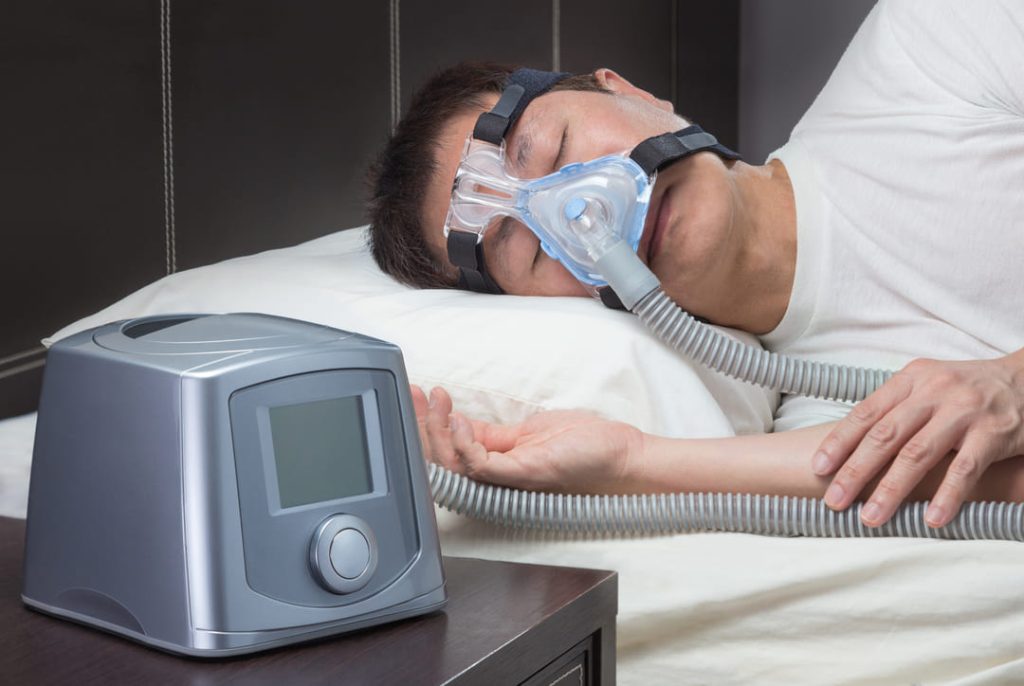
    Sleep Apnea Secondary to PTSD

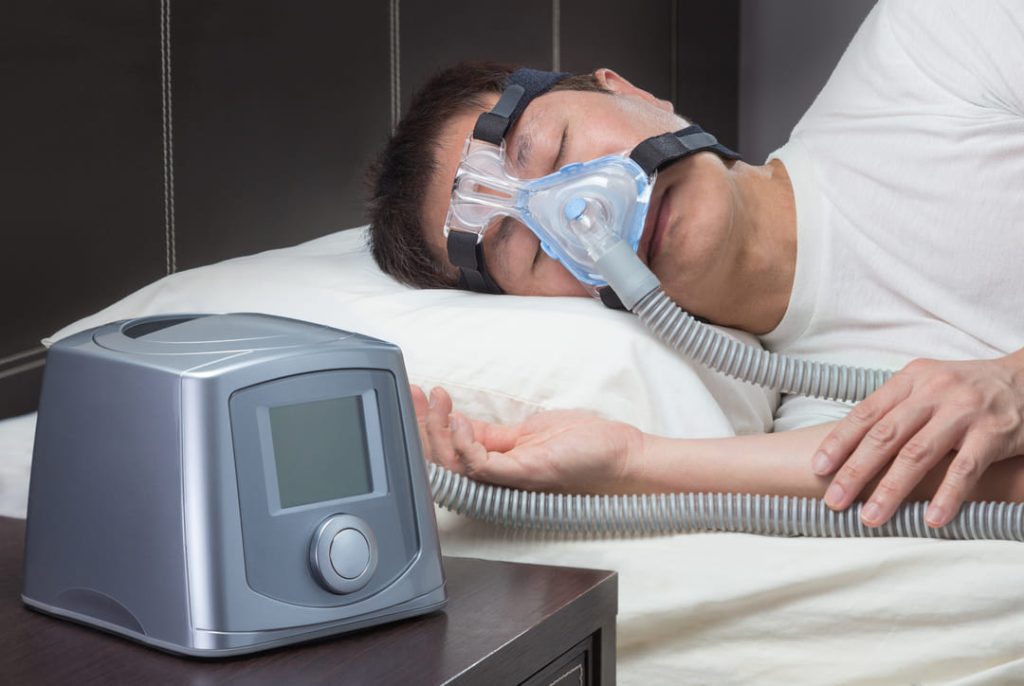
    While PTSD doesn’t cause sleep apnea directly, it’s not uncommon for PTSD to aggravate an already diagnosed case of sleep apnea. It’s essential to understand the two conditions aren’t medically connected. 

    Many veterans face difficulty when trying to service-connect sleep apnea and PTSD because there is a lack of medical evidence linking the two. 

    To help confirm your sleep apnea diagnosis, it’s highly recommended you provide a nexus letter to help establish a secondary service connection for sleep apnea secondary to PTSD. 

    You can receive a Nexus Letter from one of our independent professional providers at Telemedica, which can help lead you to a winning claim. Get in touch with us today to get started. 

    Substance Abuse Disorders Secondary to PTSD

    Many veterans with PTSD develop a substance abuse disorder as a way to cope with their condition. It’s a serious condition, and you deserve the proper treatment, care, and compensation. 

    Unfortunately, substance abuse disorders frequently exacerbate PTSD symptoms, which can significantly impact daily life. 

    You are NOT alone. 80% of veterans struggle with alcohol abuse, and 7% have had an issue with both alcohol and illegal drugs. 

    SECONDARY CLAIMS TO PTSD

    How to Establish Service Connection for Secondary Conditions to PTSD

    To be service connected for secondary conditions to PTSD, you must provide the following:

    1. A medical diagnosis of the secondary disability condition you’re attempting to link to PTSD 
    2. A current service-connected primary disability (In this case, PTSD) 
    3. A medical nexus or link establishing a connection between the service-connected PTSD and the current disability you’re trying to connect (i.e., sleep apnea, GERD, depression). A qualified Nexus Letter can go a long way in helping to prove service connection for a secondary condition

    Also See Our Related Post: PTSD Nexus Letters

    How to Receive Benefits for Multiple Health Conditions

    Many veterans are familiar with “VA Math,” knowing it’s not as easy as 1+1=2. For example, if you have a 50% rating for PTSD and receive a 30% rating for sleep apnea as a secondary condition, you aren’t awarded an 80% VA rating. 

    Instead, secondary conditions of PTSD are based on schedules, which calculate your impairment after the primary disability is considered. 

    For quick and easy combined VA disability rating percentages, you can use a VA Disability Calculator to check your Combined VA Rating.

    4 Steps for Filing Secondary Claims to PTSD

    You can file for PTSD secondary conditions by following the below steps:

    1. Go to VA.gov and open a new claim using the online VA Form 21-526EZ – Application for Disability Compensation and Related Compensation Benefits 
    • You can also print the form, fill it out, and send it to this address:

    Department of Veterans Affairs 

    Claims Intake Center

    PO Box 4444

    Janesville, WI 53547-4444

    1. Ensure your non-service-connected secondary disability condition is medically diagnosed and that the primary disability condition is service-connected at 0% or higher  
    2. Obtain a Nexus Letter from a private healthcare provider to help show the link or connection between the non-service-connected secondary disability and the service-connected primary disability 
    3. File the non-service-connected secondary disability condition secondary to the primary service-connected disability in VA.gov

    If you have been previously denied, you can file for an appeal. Our team at Telemedica can prepare a Rebuttal Letter to help address incorrect or inaccurate statements on your VA denial letter. 

    Telemedica Can Help

    The presence of secondary conditions varies among individuals with PTSD, and your treatment and support should be tailored to your specific needs. 

    It’s crucial to seek professional help when addressing both the primary symptoms of PTSD and any secondary conditions as a comprehensive approach for effective management and recovery. 

    The team at Telemedica is standing by to answer your questions. Contact us today!

  • PTSD Nexus Letters  

    PTSD Nexus Letters  

    In this post, we’ll explore the value of a nexus letter for PTSD. We’ll also examine the role a nexus letter can play in helping you get the PTSD VA rating you deserve.  

    PTSD is more common in veterans than civilians, and some studies show PTSD is three times more likely among deployed veterans compared to those who never deployed (of the same service era).  

    If you’re seeking VA benefits for PTSD, it’s vital that you understand the importance of a nexus letter and how it can benefit your VA claim.  

    Table of Contents

    PTSD NEXUS LETTER.

    PTSD Nexus Letters and the Role of Mental Health Evaluations

    It’s worth mentioning that veterans should not ask for a PTSD Nexus Letter. To explain why, it’s important for veterans to understand how mental health evaluations work. Following a mental health evaluation, the provider determines what diagnosis or diagnoses a veteran’s symptoms meet the criteria for.

    Since there are specific guidelines for PTSD, it’s common for veterans to think they have PTSD but have a different but closely related diagnosis like other trauma stress disorder, anxiety, or depression.  

    The VA uses the General Rating Formula for Mental Disorders (38 CFR § 4.130) and VA ratings for mental health conditions range from 0% to 100%. 

    NEXUS LETTER FOR PTSD.

    Nexus Letters for PTSD (and Other Mental Health Conditions)

    A nexus letter proves to be a critical piece of evidence for veterans applying for VA disability benefits, which helps connect their mental health condition to their military service.  

    A nexus letter with high-probative value includes: 

    1. The physician’s credentials, particularly ones that make them a trustworthy source for the following opinion (i.e., a cardiologist talking about a heart condition, etc.).  
    1. A reference indicating that the physician composing the letter has thoroughly reviewed the veteran’s medical records and military records related to the claim.  
    1. The physician’s opinion regarding the cause of the current diagnosed condition and its relation to the veteran’s military service.  
    1. Medical rationale that fully supports the physician’s opinion. 

    A nexus letter is frequently the missing link needed to win a VA disability claim, outlining the professional opinion of the medical provider examining the veteran.  

    Since PTSD generally isn’t diagnosed until long after the stressor injury or event, a PTSD nexus letter with high-probative value can help provide the necessary details for a VA disability claim. 

    Keep in mind that you can’t ask specifically for a PTSD nexus. You must get a mental health evaluation and your provider will determine what diagnoses your symptoms meet criteria for.  

    It’s important to understand that there are very specific guidelines for PTSD, and there are several closely related diagnoses, like anxiety and depression, so it’s vital to receive a proper diagnosis.  

    Secondary Conditions to PTSD

    Frequently, veterans with PTSD develop secondary conditions ratable by the VA. Remember that you’ll need a separate nexus letter for each condition. 

    For example, you would need a nexus letter for migraines secondary to PTSD and a nexus letter for hypertension secondary to PTSD if you suffer from both conditions because of PTSD. 

    Common secondary conditions to PTSD include: 

    • Migraines 
    • Sleep Apnea 
    • GERD (Gastroesophageal Reflux Disease) 
    • IBS (Irritable Bowel Syndrome) 
    • ED (Erectile Dysfunction) 
    • Hypertension 
    PTSD NEXUS LETTERS.

    Service-Connecting PTSD

    To receive a VA disability rating, you must prove that your military service directly caused your PTSD.  

    To service-connect your PTSD, you must provide the following: 

    • A Current Diagnosis: A documented medical diagnosis of PTSD by a qualified healthcare professional. 
    • Evidence of an In-Service Event: Proof of an incident, injury, illness, or aggravation that occurred during military service, substantiated by relevant records or testimonies. 
    • A Nexus or Link: The presence of a connection, supported by credible medical evidence, between the current PTSD diagnosis and the documented in-service event, establishing the cause-and-effect relationship between the two. 

    VA Ratings for PTSD

    The VA rates PTSD at 0%, 10%, 30%, 50%, 70%, or 100%, depending on the severity, frequency, and duration of your symptoms.  

    The highest VA rating for PTSD is 100%, with most veterans receiving between 50% and 70%.  

    You can find the VA ratings for PTSD under 38 C.F.R. § 4.130, Diagnostic Code 9411 Schedule of Ratings for Mental Disorders.  

    Medical Evidence Wins VA Claims

    Whether you need a PTSD nexus letter, a nexus letter for migraines secondary to PTSD, or something else, we make it EASY for veterans to connect with a licensed provider through our HIPAA telemedicine platform—anytime, anywhere! 
     
    From DBQs and Nexus Letters to Mental health evaluations and Telemedicine Evaluations, the team at Telemedica is standing by to serve you. Get the evidence you need to WIN your VA disability claim today. 

  • Nexus Letter for Secondary Conditions

    Nexus Letter for Secondary Conditions

    For veterans navigating the complexities of VA disability claims, understanding the importance of a nexus letter for secondary conditions is crucial. 

    Nexus letters add a layer of credibility to your case and can help expedite the decision-making process.  

    This article will explore the significance of a nexus letter for secondary conditions, how to get a nexus letter, and when to file a VA claim.  

    Table of Contents

    Obtaining a Nexus Letter for Secondary Condition.

    Why a Nexus Letter for Secondary Conditions Can Help

    A nexus letter for secondary condition is a powerful tool to strengthen your case and often means the difference between a successful and unsuccessful claim.  

    A nexus letter helps prove your secondary condition is caused or aggravated by your primary service-connected disability.  

    In addition, nexus letters help the VA make informed decisions about your claim by explaining the relationship between your conditions.  

    Do You Need a Nexus Letter for Secondary Conditions?

    A nexus letter is not required, nor does it guarantee a service connection.  

    However, a nexus letter for secondary conditions is highly recommended. To prove a secondary service connection, you must prove your new disability is “proximately due to’ or “aggravated by” your current service-connected disability.  

    A nexus letter acts as a professional medical opinion explaining the link between your primary service-connected disability and your secondary condition, helping recognize the validity of your claim.  

    Four Elements of Nexus Letters

    A solid nexus letter has the following four essential elements: 

    1. The physician’s credentials, particularly ones that make them a trustworthy source for the following opinion  
    1. A reference indicates that the physician composing the letter has thoroughly reviewed the veteran’s medical and military records about the claim. 
    1. The physician’s opinion regarding the cause of the current diagnosed condition and its relation to the veteran’s military service. 
    1. Medical rationale that fully supports the physician’s opinion. 

    While one nexus letter per VA claim is generally sufficient, you can submit multiple nexus letters from different physicians, especially if you have a more complex case.

    >> Read Next: Can I Use AI to Write a Nexus Letter for VA Disability?

    VA NEXUS LETTER FOR SECONDARY CONDITION.

    When To File for Secondary VA Conditions

    You can begin filing a VA claim for secondary conditions once you have a medical diagnosis.  

    If you don’t have a medical diagnosis for your secondary condition, you should schedule an appointment with your doctor.  

    Our medical team at Telemedica offers telemedicine examinations for initial medical diagnoses and confirmation or updated evaluations of 20 applicable conditions. 

    Once you receive your medical diagnosis, you can submit an intent to file, establishing the day you become eligible for VA benefits.  

    Cost of a Nexus Letter for Secondary Conditions

    The cost of a VA nexus letter for secondary conditions can vary based on several factors, including: 

    • The complexity of your case 
    • The level of expertise of the medical professional 
    • The extent of the required medical records review   

    Getting a nexus letter from your treating physician at no additional cost is possible, especially if you have a strong rapport with your healthcare provider.

    However, there might be associated fees if a specialized opinion is needed, such as from a medical specialist.  

    Related:

    DO YOU NEED A NEXUS LETTER FOR SECONDARY CONDITIONS?

    Medical Evidence Wins VA Claims

    Whether you need a nexus letter for secondary conditions or something else, we make it EASY for veterans to connect with a licensed provider through our HIPAA-compliant telemedicine platform—anytime, anywhere!  
     
    From DBQs and Nexus Letters to Psych Evals and Telemedicine Evaluations, the Telemedica team is standing by to serve you. Get the evidence you need to win your VA claim today.  

  • GERD VA Disability Rating Changes  

    GERD VA Disability Rating Changes  

    On March 19th, 2024, the VA announced several changes to the rating criteria for Gastroesophageal Reflux Disease (GERD) and fifty-four other medical conditions. 

    In this post, we examine what the VA is changing and how it impacts your GERD VA disability rating. 

    Table of Contents

    GERD VA Disability Rating Changes.

    What is Changing?

    The most notable change is the complete restructuring of the GERD VA disability rating criteria. 

    Currently, the VA rates GERD analogous to Hiatal Hernia (Diagnostic Code 7346). This means they use the same criteria to evaluate and assign a rating percentage to GERD symptoms as they do for Hiatal Hernia symptoms. 

    Under this diagnostic code, GERD can be rated at 10%, 30%, or 60%, depending on the frequency, severity, and duration of your symptoms.  

    (Old) GERD VA Disability Rating Chart

    7346 Hernia HiatalRating
    Symptoms of pain, vomiting, material weight loss and hematemesis or melena with moderate anemia; or other symptom combinations productive of severe impairment of health 60 
    Persistently recurrent epigastric distress with dysphagia, pyrosis, and regurgitation, accompanied by substernal or arm or shoulder pain, productive of considerable impairment of health 30 
    With two or more of the symptoms for the 30 percent evaluation of less severity 10 

    (New) GERD VA Disability Rating Chart

    Beginning May 19th, 2024, the VA will rate GERD under its own Diagnostic Code, DC 7206. This is a new diagnostic code created specifically for rating GERD symptoms. 

    Under DC 7206, a GERD VA disability claim can be rated at 0%, 10%, 30%, 50%, or 80%, depending on your symptoms. 

    7206 Gastroesophageal reflux disease (GERD):Rating
    Documented history of recurrent or refractory esophageal stricture(s) causing dysphagia with at least one of the symptoms present: (1) aspiration, (2) undernutrition, and/or (3) substantial weight loss as defined by § 4.112(a) and treatment with either surgical correction of esophageal stricture(s) or percutaneous esophago-gastrointestinal tube (PEG tube) 80 
    Documented history of recurrent or refractory esophageal stricture(s) causing dysphagia which requires at least one of the following (1) dilatation 3 or more times per year, (2) dilatation using steroids at least one time per year, or (3) esophageal stent placement 50 
    Documented history of recurrent esophageal stricture(s) causing dysphagia which requires dilatation no more than 2 times per year 30 
    Documented history of esophageal stricture(s) that requires daily medications to control dysphagia otherwise asymptomatic 10 
    Documented history without daily symptoms or requirement for daily medications 0 
    Note (1): Findings must be documented by barium swallow, computerized tomography, or esophagogastroduodenoscopy. 
    Note (2): Non-gastrointestinal complications of procedures should be rated under the appropriate system. 
    Note (3): This diagnostic code applies, but is not limited to, esophagitis, mechanical or chemical; Mallory Weiss syndrome (bleeding at junction of esophagus and stomach due to tears) due to caustic ingestion of alkali or acid; drug-induced or infectious esophagitis due to Candida, virus, or other organism; idiopathic eosinophilic, or lymphocytic esophagitis; esophagitis due to radiation therapy; esophagitis due to peptic stricture; and any esophageal condition that requires treatment with sclerotherapy. 
    Note (4): Recurrent esophageal stricture is defined as the inability to maintain target esophageal diameter beyond 4 weeks after the target diameter has been achieved. 
    Note (5): Refractory esophageal stricture is defined as the inability to achieve target esophageal diameter despite receiving no fewer than 5 dilatation sessions performed at 2-week intervals. 

    Are These Changes Good or Bad for Veterans?

    Even though these changes increase the highest GERD VA disability rating from 60% to 80%, most veterans will not qualify for a GERD rating above 0% for claims filed after May 19th. This is because the new rating criteria requires the presence of esophageal stricture. 

    Esophageal stricture is an abnormal narrowing of the esophageal lumen, which causes difficulty swallowing. While esophageal stricture is the most significant and chronic symptom of GERD, not all veterans suffering from GERD have esophageal stricture. Many suffer primarily from other serious symptoms such as chronic cough or Laryngitis. 

    But unless they also suffer from esophageal structure, they won’t qualify for a VA rating under DC 7206. 

    Why is the VA Making These Changes?

    According to the 57-page final ruling released by the VA, “the [intended] effect of this action is to ensure that the rating schedule uses current medical terminology and provides detailed and updated criteria for evaluation of digestive conditions for disability rating purposes.” 

    The ruling also cites the VA’s larger strategy of aligning evaluation criteria with a condition’s most chronic and debilitating symptoms 

    Will The New Rating Criteria Affect my GERD VA Disability Rating?

    No, if you already have a GERD VA disability rating, these changes won’t affect your rating or any other VA benefits. 

    Anyone who is rated for GERD before May 19th, 2024, will be “grandfathered in” under the old rating criteria. You’ll keep your rating at the same compensation level. 

    Also, anyone who files for GERD before May 19th will be evaluated by whichever rating criteria is more favorable to them. 

    When is the GERD VA Disability Rating Change Effective Date?

    The new GERD VA disability rating criteria is effective May 19, 2024. 

    Can You be Re-evaluated for GERD to Get a Higher Rating Under the New Criteria?

    Yes, but it’s not recommended unless your symptoms qualify you for a higher rating on the scale. 

    In this case, if you aren’t certain you have esophageal stricture to the extent you could qualify for a rating higher than you already have, contacting the VA to be reevaluated could result in the VA lowering your GERD VA disability rating. 

    But if you’re confident you qualify for a higher GERD rating, you can file an increase claim. 

    Secondary Conditions to GERD

    It’s also possible to increase your combined VA rating for GERD if you believe your GERD is responsible for a secondary condition. 

    A secondary condition is a medical condition that is caused or made worse by a disability that’s already rated by the VA. For example: 

    • Your service-connected knee pain is causing your back pain 
    • Your migraines are due to your service-connected tinnitus 

    Conditions that GERD can cause or aggravate include, but are not limited to: 

    • Asthma 
    • Migraines 
    • Sleep Apnea 

    If you’re able to prove through medical evidence that your GERD caused or aggravated any of the above conditions (known as secondary service connection), you should consider filing a claim for a secondary condition. 

    Can GERD be a Secondary Condition?

    Yes, many conditions and medications could be responsible for causing or aggravating GERD. 

    NOTE: Don’t stop taking any medications prescribed to you without first talking with your doctor. 

    GERD Secondary to Medications

    In some cases, asthma medications such as Elixophyllin, Theo-24, NSAIDs, and Theochron can exacerbate acid reflux. 

    Drugs taken to treat anxiety and depression can also contribute to GERD by causing mucosal damage, reducing lower esophageal sphincter pressure (LESP), or affecting esophagogastric motility. 

    GERD Secondary to Asthma

    According to a study published in The Gastroenterology and Hepatology Journal, there is a connection between acid reflux and Asthma. It’s difficult to say why, but it’s known that acid reflux can make asthma worse, and vice versa. 

    GERD Secondary to Anxiety

    GERD can develop when mental health conditions, such as anxiety and panic disorder, lead to an overproduction of stomach acid. 

    GERD Secondary to PTSD

    Similar to anxiety, GERD can develop when symptoms of Post-traumatic Stress Disorder (PTSD), such as stress and depression, lead to an overproduction of stomach acid. 

    Medications taken to treat PTSD can also lead to GERD as a side effect. 

    GERD Secondary to Migraines

    If migraines are causing your GERD, it’s likely because of the medication you’re taking to treat them. 

    In fact, a study published in The Journal of Headache and Pain recommends that physicians “minimize prescribing NSAIDs or NSAID-containing acute migraine medications in this population” (referring to patients who also have GERD). 

    GERD VA Disability Rating FAQs.

    GERD VA Disability Frequently Asked Questions (FAQs)

    Below we address several frequently asked questions about GERD and VA disability benefits: 

    What is GERD?

    GERD is an acronym that stands for gastroesophageal reflux disease. It is a severe case of acid reflux and occurs when stomach acid “backwashes” into your esophagus enough times to irritate the lining tissue. 

    What are Common Symptoms of GERD?

    Veterans with GERD experience symptoms such as: 

    • A burning sensation in your chest (heartburn), usually after eating, which may worsen at night 
    • Chest pain 
    • Difficulty eating and swallowing 
    • Regurgitation of food particles or sour liquid 
    • The sensation of a lump in your throat 

    If you have nighttime GERD and acid reflux, you might also experience: 

    • Chronic cough 
    • Laryngitis 
    • New or worsening asthma 
    • Disrupted sleep and insomnia 

    How is GERD Diagnosed?

    A qualified medical provider can diagnose GERD using: 

    • Upper endoscopy. This is when a thin, flexible tube fitted with a light and camera is inserted into your throat to check your esophagus for signs of reflux and inflammation. 
    • Ambulatory acid (pH) probe test. This is when a monitor is placed in your esophagus to identify when, and for how long, stomach acid regurgitates into your esophagus. 
    • X-ray of the upper digestive system. GERD can be diagnosed using X-rays to track any reflux of a chalky liquid that coats and fills the inside lining of your digestive tract.  
    • Esophageal manometry. This is a test designed to assess rhythmic muscle contractions in the esophagus during swallowing. It evaluates the coordination and strength of esophageal muscles and is commonly performed for individuals with difficulty swallowing. 
    • Transnasal esophagoscopy. This test is done by putting a thin, flexible tube with a video camera through your nose and moving it down your throat into the esophagus. 

    NOTE: If you’ve received a GERD diagnosis but treatment isn’t helping, it’s a good idea to double check with a specialist that you’ve been correctly diagnosed. Gastrointestinal illnesses that don’t fit the mold of any diagnosable condition are sometimes mistakenly diagnosed as GERD. 

    If your condition doesn’t fit a known diagnosable condition, and you meet the minimum service requirements, you could be eligible for a VA rating for a presumptive condition. 

    How Many Veterans Have GERD?

    According to publicly available data, as of 2023, the VA has rated more than 488,655 veterans for Hiatal hernia (DC 7346). 

    Because the VA has historically rated GERD using the rating criteria for Hiatal Hernia (DC 7346), it’s hard to say exactly how many of these ratings are for GERD. 

    This figure also only accounts for veterans who have successfully won their claim. It does not include veterans who haven’t filed or who have been denied. 

    How do You Service Connect GERD?

    Service connection is when you can prove your military service caused your disability or made it worse. The VA will not award disability compensation if your service is not responsible for your condition. 

    All VA claims must have the same three things in order for your condition to be considered service-connected: 

    1. A current medical diagnosis of your condition. The VA can’t rate a condition that hasn’t been formally diagnosed. 
    1. Evidence of an in-service event, injury, disease, or aggravation. You need evidence showing that what you claim caused your disability occurred. This evidence can be military medical records or lay statements from people who were there. 
    1. A “nexus” (or link) between #1 and #2 via competent medical evidence. If you get a nexus letter, this link will usually be expressed using one of these statements of probability: 
    • “Is due to” = 100% certain  
    • “More likely than not” = greater than 50% certain  
    • “At least as likely as not” = equal to 50% certain  
    • “Not likely due to” = less than 50% certain  
    • “Is not due to” = 0% chance  

    Is GERD a VA Presumptive Condition?

    No, GERD is not included in the VA’s list of presumptive conditions. 

    This is because GERD is a structural condition and not a functional condition. Most presumptive conditions are functional conditions, meaning that there are symptoms present but no physical evidence of a condition. Structural conditions have symptoms and physical evidence of the condition. 

    Medical Evidence Wins VA Claims

    Whether you need a Nexus Letter for GERD or another digestive condition, we make it EASY for veterans to connect with a licensed provider through our HIPAA-compliant telemedicine platform—anytime, anywhere! 

    From DBQs and nexus letters, to mental health and telemedicine evaluations, the team at Telemedica is standing by to serve you. 

    Get the evidence you need to WIN your VA claim today. 

    Content Reviewed by: Tara Thompson, PA-C

    Tara Thompson PA-C is a board-certified Physician Assistant. She completed her training through Chatham University, graduating with a Master’s of Physician Assistant Studies Degree in 2007. Her work experience has been diverse and includes first assist in all surgical specialties, Plastic Surgery and ENT clinical work, and Emergency Medicine. She served as a Physician Assistant in the US Army from 2009-2021 and has been an expert in medical evidence for VA disability claims since 2019.

  • Sleep Apnea Secondary to Allergic Rhinitis Nexus Letter  

    Sleep Apnea Secondary to Allergic Rhinitis Nexus Letter  

    If your VA claim was denied or you didn’t receive the disability rating you deserve, you may be missing crucial information like a nexus letter.  

    A nexus letter frequently proves to be the missing link when service-connecting your condition to your military service.  

    In this post, we’ll discuss how a sleep apnea secondary to allergic rhinitis nexus letter can be the key to winning your VA claim and how the team at Telemedica can help.  

    Let’s get started.  

    Table of Contents

    Veteran suffering from allergic rhinitis sitting on his couch blowing his nose.

    Sleep Apnea Secondary to Allergic Rhinitis Nexus Letter

    It’s highly recommended to obtain a nexus letter if you have sleep apnea that may have been caused or aggravated by a service-connected condition like allergic rhinitis. While nexus letters aren’t required, they can help strengthen your claim and offer the credibility you need to win your VA disability claim.  


    A nexus letter with high-probative value should include: 

    1. The physician’s credentials, particularly ones that make them a trustworthy source for the following opinion (i.e., a cardiologist talking about a heart condition, etc.). 
    1. A reference indicating that the physician composing the letter has thoroughly reviewed the veteran’s medical records and military records that pertain to the claim. 
    1. The physician’s opinion regarding the cause of the current diagnosed condition and its relation to the veteran’s military service. 
    1. Medical rationale that fully supports the physician’s opinion. 

    The Connection Between Sleep Apnea and Allergic Rhinitis

    Allergic rhinitis, or hay fever, causes inflammation and congestion in your nasal passages and airway. While allergic rhinitis has similar symptoms to the common cold, it is caused by allergens instead of a virus.  

    If you have existing obstructive sleep apnea (OSA), your condition may be aggravated by symptoms of allergic rhinitis.  

    Allergic rhinitis increases your risk of OSA by two primary mechanisms: 

    1. An increase in airway resistance due to higher nasal resistance; and  
    1. Reduction in pharyngeal diameter from mouth breathing that moves the jaw insufficiently 
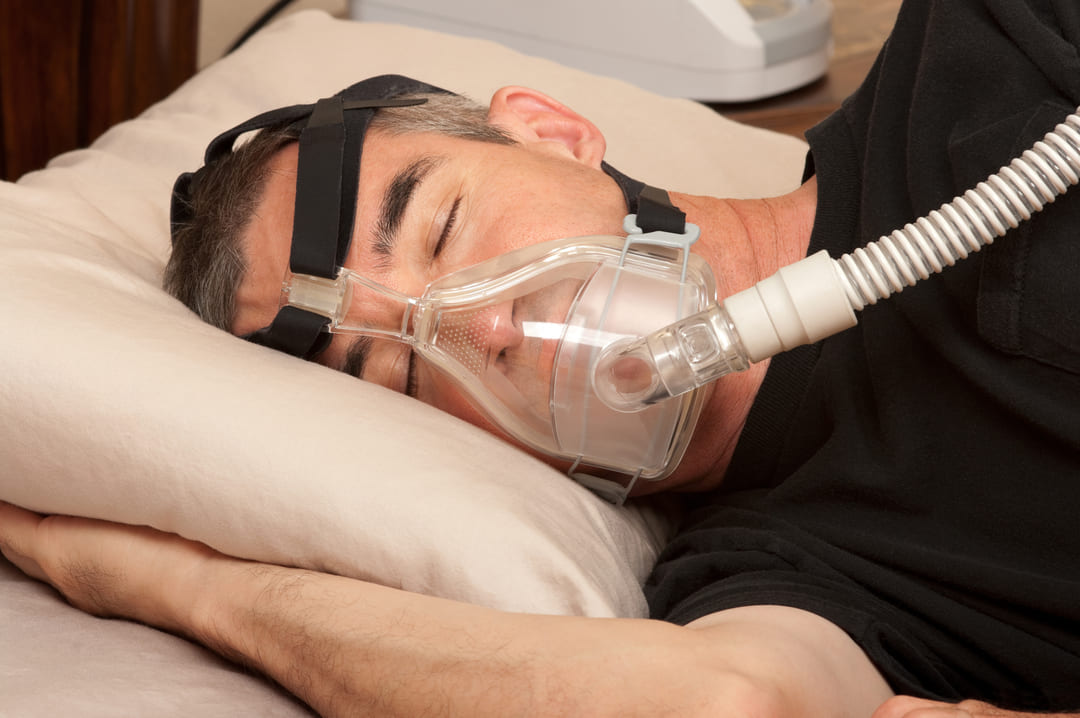
    Man sleeping on bed while hooked up to a CPAP machine.

    Service-Connecting Sleep Apnea Secondary to Allergic Rhinitis

    As part of your VA disability claim for sleep apnea secondary to allergic rhinitis, you must be able to prove service connection. Service connection requires: 

    • A current medical diagnosis (documented in a medical record) of the secondary VA disability you’re attempting to link (Sleep Apnea) to the current service-connected disability (Allergic Rhinitis) AND 
    • A current service-connected primary disability (Allergic Rhinitis) AND 
    • Medical nexus evidence (can be a Nexus Letter) establishing a connection between the service-connected primary condition (Allergic Rhinitis) AND the current disability you’re trying to connect secondary (Sleep Apnea) 


    The VA requires you to attend a sleep study to receive an accurate sleep apnea diagnosis. A sleep study is crucial in finding evidence of irregular breathing, gasping, and other common signs of sleep apnea. 

    With with sleep apnea and rhinitis laying in bed.

    VA Ratings for Sleep Apnea Secondary to Allergic Rhinitis

    The VA rates sleep apnea at 0%, 30%, 50%, and 100%, depending on the severity, frequency, and duration of symptoms.  

    The highest VA rating for sleep apnea secondary to allergic rhinitis is 100%, with most veterans receiving a 50% rating for obstructive sleep apnea.  

    You can find the VA rating for sleep apnea under 38 CFR § 4.97, Diagnostic Code 6847 Schedule of Ratings – Sleep Apnea Syndromes (Obstructive, Central, Mixed).  

    Medical Evidence Wins VA Claims

    Whether you need a nexus letter for sleep apnea secondary to rhinitis or something else, we make it EASY for veterans to connect with a licensed provider through our HIPAA-compliant telemedicine platform—anytime, anywhere! 
     
    From DBQs and Nexus Letters to Psych Evals and Telemedicine Evaluations, the Telemedica team is standing by to serve you. Get the evidence you need to win your VA claim today. 

  • Nexus Letter for Sleep Apnea Secondary to Asthma

    Nexus Letter for Sleep Apnea Secondary to Asthma

    Do you need a nexus letter for sleep apnea secondary to asthma? A nexus letter is frequently the missing link to receiving a winning VA disability claim.  

    It’s common for veterans to develop asthma due to toxin, smoke, or burn pit exposure causing an inflammation of the airways which may increase the chances of developing sleep apnea.  

    This guide will cover the importance of a nexus letter for sleep apnea secondary to asthma, how to get service-connected and how the team at Telemedica can help.  

    Table of Contents

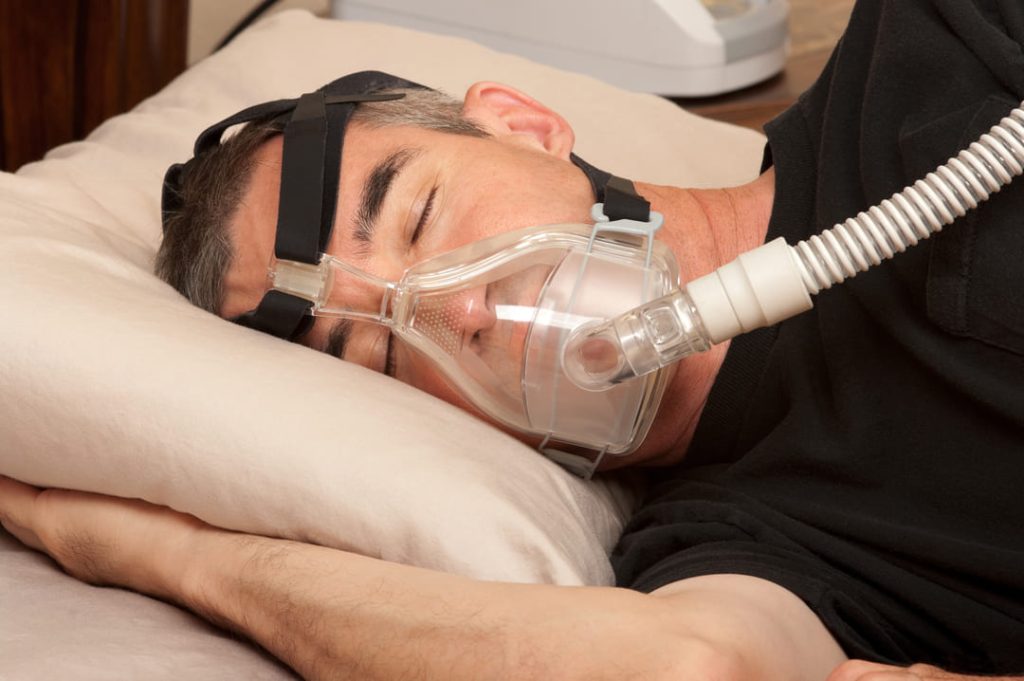
    Man in bed wearing a CPAP machine.

    Nexus Letter for Sleep Apnea Secondary to Asthma

    A Nexus Letter is crucial evidence when submitting a VA claim for sleep apnea secondary to asthma, linking your service-connected asthma and the development or worsening of sleep apnea. 

    A nexus letter with a high probative value for sleep apnea secondary asthma should include the following four things: 

    1. The physician’s credentials, particularly ones that make them a trustworthy source for the following opinion (i.e. a cardiologist talking about a heart condition, etc.) 
    1. A reference indicating that the physician composing the letter has thoroughly reviewed the veteran’s medical records and military records that pertain to the claim 
    1. The physician’s opinion regarding the cause of the current diagnosed condition and its relation to the veteran’s military service 
    1. Medical rationale that fully supports the physician’s opinion 

    It’s important to note that the VA only accepts nexus letters written from licensed providers.  

    Woman talking with her doctor.

    How Sleep Apnea and Asthma are Connected

    Many research studies show a connection between sleep apnea and asthma, where one condition negatively affects the other.  According to the National Institutes of Health, an increased vagal tone during sleep apnea episodes could be a trigger for nocturnal asthma attacks in sleep apnea patients.  

    While neither sleep apnea nor asthma causes the other condition, there are shared risk factors, and each condition may worsen the other.  

    How to Get Service-Connected for Sleep Apnea Secondary to Asthma

    To win a VA disability claim for sleep apnea secondary to asthma, you must be able to prove service connection. Service connection requires: 

    • A current medical diagnosis (documented in a medical record) of the secondary VA disability you’re attempting to link (sleep Apnea) to the current service-connected disability (asthma) AND 
    • A current service-connected primary disability (asthma) AND 
    • Medical nexus evidence establishing a connection between the service-connected primary condition (asthma) AND the current disability you’re trying to connect secondary (sleep Apnea) 

    You must attend a sleep study to receive an accurate sleep apnea diagnosis. A sleep study is critical in finding evidence of irregular breathing, gasping, and other obvious signs of sleep apnea. 

    Sleep Apnea Secondary to Asthma VA Ratings

    The VA rates sleep apnea secondary to asthma at 0%, 30%, 50%, and 100%, depending on the severity of your symptoms and whether you require a breathing device.  

    You can find the VA rating for sleep apnea under 38 CFR § 4.97, Diagnostic Code 6847 Schedule of Ratings – Sleep Apnea Syndromes (Obstructive, Central, Mixed).   

    If you receive a 50% or greater VA rating for sleep apnea, you’ll require one of the following qualifying breathing assistance devices: 

    • Continuous positive airway pressure (CPAP) machine 
    • Automatic airway pressure device (APAP) 
    • Bilevel-positive airway pressure device (BiPAP, also known as NIPPV or NIV) 
    • Nasopharyngeal appliances (Nasal dilators; nasopharyngeal stents) 
    • Oral appliances (mandibular advancement devices (MAD); tongue-retaining mouthpieces) 
    • Implanted genioglossal nerve stimulation devices 

    It’s important to understand that, in most cases, the VA will NOT give you two separate ratings for sleep apnea AND asthma; and instead, you’ll receive a combined rating. 

    Do I Need a DBQ for Sleep Apnea Secondary to Asthma?

    No, a VA disability benefits questionnaire (DBQ) isn’t required when filing a VA claim for sleep apnea secondary to asthma; however, it may strengthen your case.  

    A VA DBQ is another way to collect crucial medical evidence to help support your VA disability claim. You can go to a civilian provider to complete your DBQ; however, it’s highly recommended you visit a VA or VA-contracted physician.  

    How Telemedica Can Help You Win Your VA Disability Claim

    Understanding the need for a nexus letter for sleep apnea secondary to asthma may help secure a winning VA claim. The licensed, trusted professionals at Telemedica can help with your nexus letter, paving the way for the VA benefits you deserve.  

    We specialize in nexus letters for: 

    • Direct Service Connections  
    • Secondary Service Conditions  
    • Presumptive Service Conditions  

    You can contact us with any questions; we will gladly assist you. 

  • Nexus Letter for Sleep Apnea Secondary to Sinusitis

    Nexus Letter for Sleep Apnea Secondary to Sinusitis

    Is a nexus letter for sleep apnea secondary to sinusitis your missing link? If you’ve received a denied claim, you’ll want to understand the significant impact a nexus letter can make. 

    In this guide, we’ll cover how a nexus letter impacts your VA disability claim, the steps to get service connected for sleep apnea secondary to sinusitis, and what VA rating you deserve. 

    The VA claims process can be challenging, but we’re here to help guide you. 

    Table of Contents

    NEXUS LETTER FOR SLEEP APNEA SECONDARY TO SINUSITIS

    Nexus Letter for Sleep Apnea Secondary to Sinusitis

    A nexus letter for sleep apnea secondary to sinusitis is vital evidence when applying for VA benefits. 

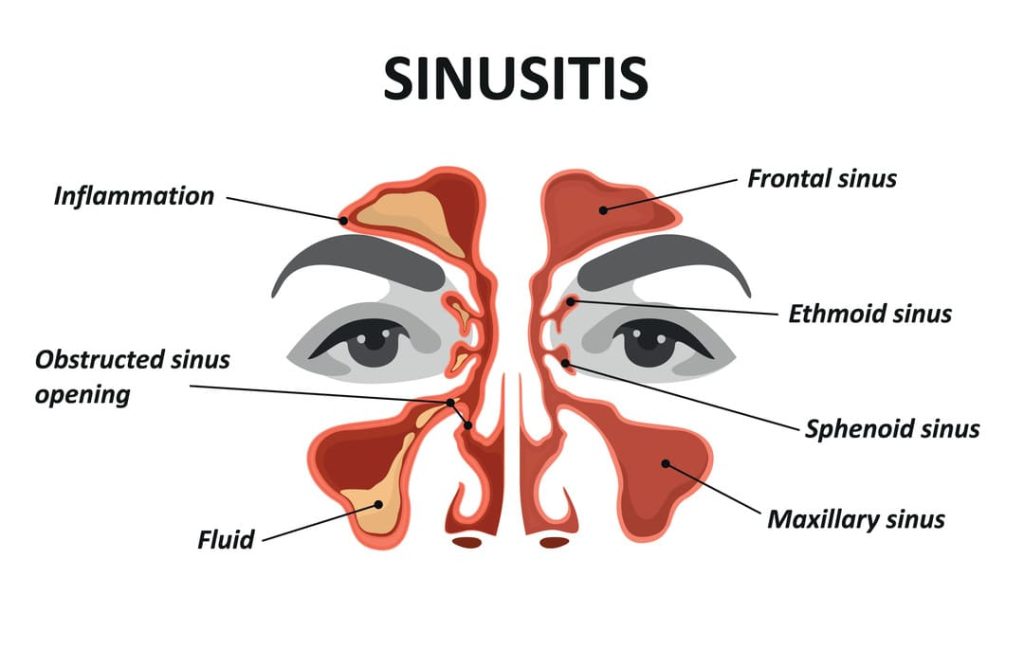
    Sinusitis can contribute to sleep apnea by causing sinus congestion and inflammation that blocks the nasal passages. But is your military service the culprit?

    Many veterans are susceptible to sinusitis due to burn pit exposure and other hazards. Obtaining a nexus letter is highly recommended if you want a better chance of winning your claim. 

    A Nexus Letter establishes a connection between your service-connected sinusitis and the development or worsening of sleep apnea. 

    It outlines a healthcare provider’s medical reasoning and professional opinion, clearly stating that sleep apnea results from sinusitis and makes you eligible for benefits.

    How Sleep Apnea and Sinusitis Are Connected

    SLEEP APNEA SECONDARY TO CHRONIC SINUSITIS AND RHINITIS

    Sleep apnea and sinusitis can be connected in several ways, so it’s essential to understand what is causing your condition. 

    Here’s a look at common reasons why sleep apnea can be secondary to sinusitis:

    1. Nasal congestion – When nasal passages are blocked due to mucus buildup or inflammation, it can contribute to obstructive sleep apnea. 
    2. Airway obstruction – Sinusitis can worsen the obstruction of your airways while sleeping, making it difficult for air to flow freely. 
    3. Inflammation – Inflammation caused by sinusitis can affect the soft tissues of your throat and airway, increasing the chances of sleep apnea. 
    4. Disrupted sleep – Sinusitis frequently leads to disrupted sleep, which can exacerbate sleep apnea symptoms and may contribute to the development or worsening of the condition long term. 

    Managing sinusitis and addressing nasal congestion can be important components of sleep apnea treatment, as improving nasal airflow may help reduce the severity of sleep apnea symptoms and improve overall sleep quality.

    >> Related: 5 Secondary Conditions to Sinusitis Veterans Should Know

    SLEEP APNEA SECONDARY TO SINUSITIS

    How to Get Service-Connected for Sleep Apnea Secondary to Sinusitis

    In order to win a VA disability claim for sleep apnea secondary to sinusitis you must be able to prove service connection. Service connection requires:

    • A current medical diagnosis (documented in a medical record) of the secondary VA disability you’re attempting to link (Sleep Apnea) to the current service-connected disability (Sinusitis) AND
    • A current service-connected primary disability (Sinusitis) AND
    • Medical nexus evidence establishing a connection between the service-connected primary condition (Sinusitis) AND the current disability you’re trying to connect secondary (Sleep Apnea)

    You will likely be required to attend a sleep study to receive an accurate sleep apnea diagnosis. A sleep study is vital in finding evidence of irregular breathing, gasping, and other obvious signs of sleep apnea. 

    VA Ratings for Sleep Apnea Secondary to Sinusitis

    The VA rates sleep apnea secondary to sinusitis at 0%, 30%, 50%, and 100%, depending on the severity, frequency, and duration of symptoms. 

    The highest VA rating for sleep apnea secondary to sinusitis is 100%, with most veterans receiving a 50% rating for obstructive sleep apnea. 

    The VA rating for sleep apnea is under 38 CFR § 4.97, Diagnostic Code 6847 Schedule of Ratings – Sleep Apnea Syndromes (Obstructive, Central, Mixed). 

    If you receive a 50% or greater VA rating for sleep apnea, you’ll require one of the following qualifying breathing assistance devices:

    • Continuous positive airway pressure (CPAP) machine
    • Automatic airway pressure device (APAP)
    • Bilevel-positive airway pressure device (BiPAP, also known as NIPPV or NIV)
    • Nasopharyngeal appliances (Nasal dilators; nasopharyngeal stents)
    • Oral appliances (mandibular advancement devices (MAD); tongue-retaining mouthpieces)
    • Implanted genioglossal nerve stimulation devices

    Sleep Apnea Secondary to Sinusitis: Do I Need a DBQ?

    You don’t need a DBQ for sleep apnea secondary to sinusitis; however, it can help strengthen your claim. Adding a DBQ to your claim can make it a fully developed claim, where all of the evidence needed to decide a claim is present, and the VA rater can choose to decide your claim without sending you to a C&P exam.

    Is Sleep Apnea Secondary to Chronic Sinusitis and Rhinitis?

    Yes, if you have a primary service-connected diagnosis of chronic sinusitis or rhinitis, you may be eligible for a secondary sleep apnea connection. 

    If your chronic sinusitis causes congestion and inflammation, blocking your nasal passages, you will likely develop or worsen a previously diagnosed case of sleep apnea. 

    How Telemedica Can Help With Your Nexus Letter

    Understanding the need for a nexus letter for sleep apnea secondary to sinusitis may help secure a winning claim. The licensed, trusted professionals at Telemedica can help with your nexus letter, paving the way to the benefits you deserve. 

    You can contact us with any questions; we will gladly assist you.

  • Nexus Letter for Sleep Apnea Secondary to PTSD

    Nexus Letter for Sleep Apnea Secondary to PTSD

    Was your sleep apnea VA disability claim denied? 

    Or maybe you’ve received multiple denied VA disability claims. 

    Do you need a medical professional to draft a sleep apnea nexus letter to help you establish a service connection to claim sleep apnea secondary to your PTSD?

    Don’t worry. You’ve come to the right place.

    In this post, we’ll uncover the significance of a nexus letter for sleep apnea secondary to PTSD.

    Table of Contents

    Nexus Letter for sleep apnea secondary to PTSD

    Nexus Letter for Sleep Apnea Secondary to PTSD

    While the VA doesn’t require a nexus letter to submit a sleep apnea claim, a nexus letter can be an essential piece of evidence to help establish a service connection between rateable mental health conditions like Posttraumatic stress disorder (PTSD) and a sleep disorder like sleep apnea.

    Note: The VA only accepts nexus letters written by licensed providers.

    Winning a VA claim for sleep apnea secondary to PTSD will require a secondary service connection for sleep apnea.

    Secondary Service Connections

    As opposed to a direct service connection, a secondary service connection refers to when a service-connected disability causes another disability—also known as a secondary condition.

    Service connection occurs when you can demonstrate, using medical evidence, lay statements, or military records, that an event, injury, or illness during your military service caused or aggravated your disability.

    You can only receive VA disability benefits for sleep apnea if you can connect your sleep apnea to your military service.

    A secondary service connection occurs when you can prove through similar evidence that an already service-connected disability caused or aggravated another disability.

    sleep apnea secondary to PTSD Nexus Letter

    Sleep Apnea Secondary to PTSD: Nexus Letters

    Not all VA claims need a nexus letter to approve the claim and receive a VA rating. 

    The strength of your sleep apnea VA claim depends on how the evidence establishes a service connection between your documented sleep disorder (sleep apnea) and your PTSD symptoms.

    Asking yourself these three questions can help you decide if you need a nexus letter for sleep apnea secondary to PTSD:

    1. Do you have a current sleep apnea diagnosis that was initially diagnosed while you were in service and is supported by medical evidence in your military medical records? If so, you may not need sleep apnea nexus letters to get VA benefits. 
    2. Are you filing for sleep apnea as a secondary or previously denied claim based on not being service-connected? If yes, consider getting a nexus letter.  
    3. Are you filing for a sleep apnea VA disability rating increase? If so, you don’t need a nexus letter since your claim was approved, and you currently have a sleep apnea rating (and receive VA disability benefits). 

    Sleep Apnea Secondary to PTSD VA Disability Ratings

    The VA rates sleep apnea secondary to PTSD at 0%, 30%, 50%, or 100%, depending on the severity, frequency, and duration of symptoms. 

    The highest VA rating for sleep apnea secondary to PTSD is 100%. 

    DBQ for sleep apnea secondary to PTSD

    Types of Sleep Apnea Secondary to PTSD

    According to Mayo Clinic, there are three types of sleep apnea:

    1. Obstructive Sleep Apnea (OSA) is the most common type of sleep apnea and occurs when the throat muscles relax and block airflow to the lungs. 
    2. Central Sleep Apnea (CSA) occurs when the brain fails to send the correct signals to the muscles that control breathing.
    3. Complex Sleep Apnea or Treatment-emergent central sleep apnea occurs when obstructive sleep apnea turns into central sleep apnea after receiving treatment.

    Over time, sleep apnea can lead to a host of symptoms caused by sleep disturbances, such as:

    • sleep deprivation
    • chronic stress
    • weight gain
    • excessive daytime sleepiness, and
    • overall poor sleep health
    VA Nexus Letter for sleep apnea secondary to PTSD

    VA Disability Nexus Letters for Secondary Conditions

    A nexus letter for a secondary condition is an evidence-based written document from a qualified medical provider stating that an already service-connected disability caused or aggravated another disability.

    Nexus letters for secondary conditions should include the following:

    1. A discussion of supporting evidence. The provider should reference any medical or personal record they’ve reviewed that supports your sleep apnea claim.
    2. An evidence-based rationale. The provider must explain why they believe your service-connected disability caused or aggravated the sleep apnea disability you are now seeking benefits. Referencing a sleep study, sleep test, sleep medicine, CPAP machine, VA sleep lab, case laws, or research journals will help show their evidence-based opinion. 
    3. A nexus opinion. The provider’s opinion that your disability was caused or aggravated by an already service-connected disability should be expressed in terms of likelihood.
      To best adhere to VA guidelines concerning how the VA rates sleep apnea, nexus letters should use language like:
      1. “Is due to” = 100% certain
      2. “More likely than not” = greater than 50% certain
      3. “At least as likely as not” = equal to 50% certain
      4. “Not likely due to” = less than 50% certain
      5. “Is not due to” = 0% chance
      6. List of credentials. The provider must sign and date the letter and list their title, specialty, and other credentials that emphasize their expertise. 

    Note: Preferably, the provider will use “is due to” or “more likely than not,” as these are the strongest. However, the strength of their opinion will depend on the evidence. a Nexus Letter must clearly detail how the current condition was caused by the original.

    Is sleep apnea secondary to PTSD

    Nexus Letter for Sleep Apnea Secondary to PTSD (FAQs) Frequently Asked Questions

    Is sleep apnea secondary to PTSD a VA disability?

    Yes, frequently, veterans can get service connected for sleep apnea secondary to PTSD. 

    However, it’s crucial to note PTSD doesn’t cause sleep apnea. Instead, many veterans can prove PTSD aggravates their sleep apnea. 

    How do I get a VA nexus letter for sleep apnea secondary to PTSD?

    You can receive a sleep apnea secondary to PTSD nexus letter from a licensed medical professional, including one of our Telehealth professionals at Telemedicia. 

    We specialize in nexus letters for:

    • Direct Service Connections
    • Secondary Service Connections
    • Presumptive Service Connections 

    A nexus letter with a high probative value can make your statement stronger.

    Do I need a DBQ for sleep apnea secondary to PTSD?

    A DBQ isn’t required for service-connecting sleep apnea secondary to PTSD; however, it may help secure your claim. Adding a DBQ to your claim makes it a fully developed claim and may benefit you in two ways. It may help streamline your claim through the review and decision process, and it may allow the VA rater to decide the case without sending you to a C&P exam.  

    As with other secondary conditions to PTSD, the more relevant, strong evidence you provide, the better your chances are of winning your VA disability claim. 

    Medical Evidence Wins VA Claims

    Whether you need a Nexus Letter for sleep apnea secondary to PTSD or something else, we make it EASY for veterans to connect with a licensed provider through our HIPAA-compliant telemedicine platform—anytime, anywhere!

    From DBQs and Nexus Letters to Psych Evals and Telemedicine Evaluations, the Telemedica team is standing by to serve you. Get the evidence you need to win your VA claim today.

  • VA Disability Rating for Knee Replacements

    VA Disability Rating for Knee Replacements

    When it comes to veterans navigating the complexities of VA disability ratings, particularly concerning knee replacements, understanding the intricacies of the VA disability rating system is crucial.

    In this guide, we will delve into the specifics of VA disability rating for knee replacements, shedding light on total knee replacement VA disability ratings and addressing common concerns, including the VA’s evaluation of knee replacement scars. 

    Let’s explore the key factors that influence these VA ratings and provide you with the knowledge you need to navigate the claims process with confidence.

    Table of Contents

    VA Disability Rating for Knee Replacement

    Can I a Get VA Disability Rating for Knee Replacement?

    Yes, the VA recognizes knee replacements stemming from service-related factors as qualifying VA disabilities.

    If your knee condition is service-connected and necessitates a replacement, you will be granted a temporary 100% VA disability rating for knee replacement—for the initial four months post-operation.

    Following this postoperative period, the VA conducts a reassessment of your condition, assigning a new VA rating accordingly. 

    In the case of a total knee replacement, a minimum knee replacement VA disability rating of 30% is awarded. 

    However, if you continue to experience pain or reduced functionality in the knee subsequent to the surgery, your rating may be higher, reflecting the extent of your impairment.

    However, In order to be eligible for a VA disability rating for knee replacement, it’s crucial to establish a direct link between your condition and your military service. 

    Having a knee replacement alone is not sufficient, the key factor is demonstrating that the underlying issue is connected to your time in the military.

    To establish service connection, you need to meet three requirements:

    • Provide a medical diagnosis of your current disability 
    • Provide evidence of an injury or disease that occurred during your military service
    • Establish a nexus (connection or link) between your in-service injury or disease and your present diagnosed disability through a competent medical evidence (e.g., a Nexus Letter)
    Total Knee Replacement Disability Rating

    Total Knee Replacement Disability Rating: Factors Considered

    In determining the disability rating for total knee replacement, the VA considers the range of motion, pain, instability, and any additional complications resulting from the surgery. 

    The severity of these factors influences the final rating percentage assigned to the veteran.

     It is crucial for veterans to provide detailed medical records and evidence to support their disability claim, including information about the surgery and its impact on their quality of life.

    VA Rating for Knee Replacement Scar

    What is the VA Rating for Knee Replacement Scars? 

    The VA rating for knee replacement scars is typically 10%—unless your surgical scar is both unstable and painful, which would be rated at 20%. 

    VA rating for knee replacement scars involve assessing the size, location, and resulting impairment caused by the scar post-surgery. Typically, the evaluation considers the visibility and impact of the scar in terms of functionality and discomfort.

    Factors such as the scar’s size, whether it causes pain or limitation in movement, and whether it affects the veteran’s ability to work or perform daily activities are taken into account. 

    A larger or more symptomatic scar might warrant a higher disability rating, especially if it significantly impairs the individual’s mobility or causes ongoing discomfort that affects their quality of life. 

    The rating process aims to fairly evaluate the scar’s impact on the veteran’s well-being and compensate accordingly for any resulting disability.

    You should document your scars thoroughly, including photographs and medical records, to ensure accurate evaluation by the VA.

    VA RATING FOR KNEE REPLACEMENT

    What is the Difference Between a Total and Partial Knee Replacement?

    The main difference between a total and partial knee replacement lies in the extent of the surgery and the portion of the knee joint that is replaced. 

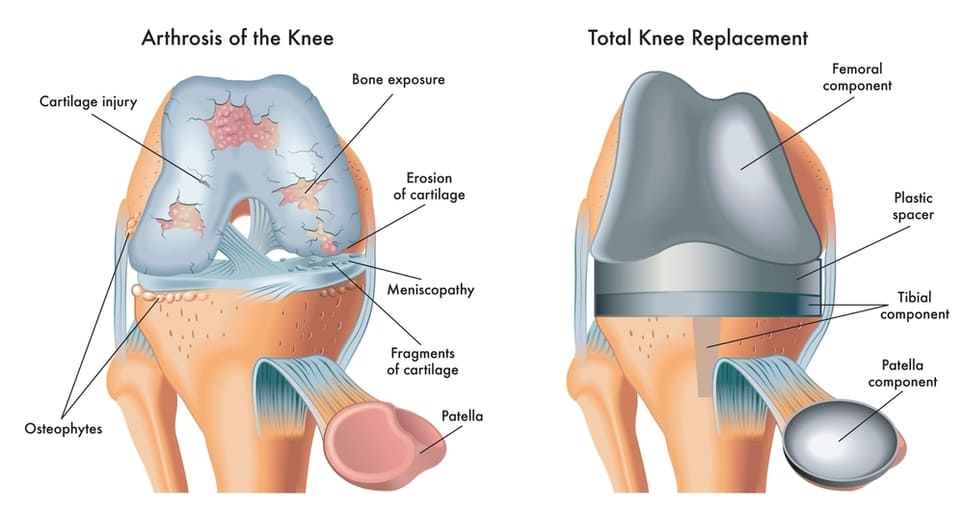
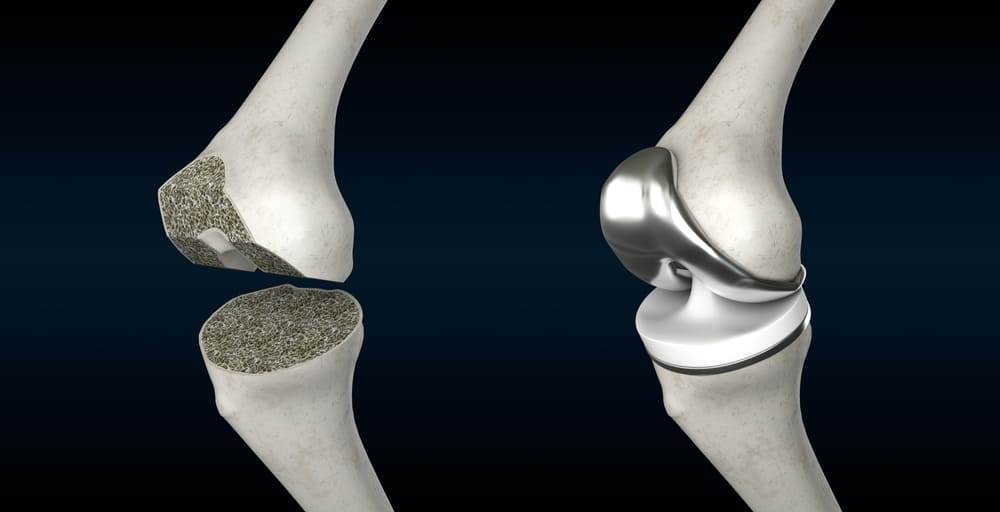
    In a total knee replacement, the entire knee joint is replaced with artificial components, including the femoral (thigh bone) and tibial (shin bone) components, as well as the patellar component (kneecap). This procedure is typically recommended for patients with widespread arthritis or significant damage across the entire knee joint.

    On the other hand, a partial knee replacement, also known as unicompartmental knee replacement, involves replacing only the damaged portion of the knee joint while preserving the healthy parts. This option is suitable for patients with arthritis or damage limited to one specific compartment of the knee. 

    Unlike total knee replacement, partial knee replacement surgery is less invasive, preserves more natural bone, and often results in a quicker recovery time. The choice between total and partial knee replacement depends on the extent and location of the knee joint damage, as well as the patient’s overall health and medical history.

    Conclusion

    Understanding how to qualify for a VA disability rating for knee replacements is pivotal for veterans seeking support. 

    This guide has shed light on the complexities, emphasizing the initial 100% rating and the subsequent assessments post-surgery. 

    Establishing service connection remains key, requiring evidence linking the condition to military service, alongside meeting specific criteria.

    Factors influencing total knee replacement ratings, including range of motion, pain, and complications, have been outlined, emphasizing the need for thorough medical records. 

    Additionally, the evaluation of knee replacement scars considers their impact on functionality and well-being.

    The distinction between total and partial knee replacements clarifies the surgical variances, highlighting the importance of medical decisions based on individual circumstances.

    Navigating VA disability ratings for knee replacements demands meticulous documentation and a clear understanding of how these ratings are determined. Armed with this knowledge, veterans can effectively pursue the support they deserve for service-related knee conditions.

  • What is a VA Psych Evaluation?

    What is a VA Psych Evaluation?

    If you or someone you love has a mental health condition, you understand its toll on daily life. A VA psych evaluation is essential to determine whether your mental health condition relates to your service time. 

    A VA psych eval can be important in determining your final disability rating, including your due compensation. Diagnosing mental health conditions isn’t always easy because there isn’t always something tangible to examine. 

    However, a psych evaluation allows you to let your voice be heard and detail how your condition has impacted your daily life. 

    Table of Contents

    VA PSYCH EVALUATION

    How Do I Get a VA Psych Evaluation?

    You can schedule a VA psych evaluation with a VA healthcare provider or a civilian doctor who can assess and diagnose your condition. 

    We can also help with the process. Telemedica has licensed psychologists who can offer professional opinions and complete a psych or VA mental health evaluation. 

    While they don’t guarantee a diagnosis or that the VA will agree with them, they will provide an Independent Medical Opinion (IMO) that provides evidence of mental health conditions and how they have affected your life. 

    Since our psychologists don’t work for the VA, they can provide an unbiased opinion of your diagnoses and recommend a service-connection. Still, the final decision lies in the VA’s hands. 

    How Do I Prepare for a Psych Evaluation?

    We understand the idea of a VA psych evaluation can be overwhelming, but you can prepare yourself in several ways. For example, don’t schedule anything else on the day of your psych evaluation to keep your focus on the appointment. 

    In addition, take time to reflect on the primary ways your condition has affected your life. Whether you seek advice from Telemedica or the VA, you want to have a few vital points to make your claim. 

    You don’t have to prepare pages of reasons to discuss. Sometimes less is more when it comes to proving your VA claim. 

    VA MENTAL HEALTH EVALUATION QUESTIONS

    Questions Asked During a Psych Evaluation

    During your psych evaluation, the psychologist will discuss your life before, during, and after the military. Since it can be sensitive, take the time beforehand to reflect on how your condition has impacted your daily life. 

    Examples of VA mental health evaluation questions include:

    • Current symptoms 
    • Personal and family history of mental health issues 
    • Medical history
    • Social history 

    You must be honest during your psych evaluation, especially since this could be your only chance at showing the VA the impact of your mental health condition. Your psych eval can help determine the severity of your mental health condition, leading to potential benefits. 

    How the VA Evaluates Mental Health Conditions

    When you submit a claim for a specific mental health condition, the VA will process the claim and thoroughly review all medical and non-medical evidence surrounding your claim. A psych evaluation helps the VA determine several factors, including:

    • Whether your time in the service caused the condition
    • The severity of your condition
    • The impact of your condition on daily life

    Typically, the VA will schedule a compensation & pension (C&P) exam to determine the severity of your condition. The VA refers to the Diagnostic and Statistical Manual of Mental Disorders (DSM IV or DSM-5) when determining the actual evaluation of the mental health condition. 

    Once diagnosed, eligible veterans are assigned ratings from the VA Schedule for Rating Disabilities. 

    Do I Need a Psych Evaluation to Receive a Disability Rating?

    Most mental health conditions require a psych eval to assess the situation better and assign a suitable disability rating. Generally, not all disabilities require a psych evaluation; however, it could increase your chances of getting military disability benefits. 

    What Happens After a Psych Evaluation?

    After completing your psych evaluation, the VA will review your claim and follow up with critical questions. They will mail you a decision letter once they have decided on your claim. 

    The time it takes to receive a decision can vary based on its complexity and other factors, but you can check the status online. 

    If you decide to complete your psych evaluation with Telemedica, we will provide you with an IMO, which you can present to the VA as part of your claim. 

    How Telemedica Can Help With Your Psych Evaluation

    Telemedica’s licensed psychologists can help provide you with an IMO and will directly upload it to the secure online portal. Our psychologists are doctors in psychology and can provide their professional opinion on your condition. 

    You can contact us with any questions; we will gladly assist you.