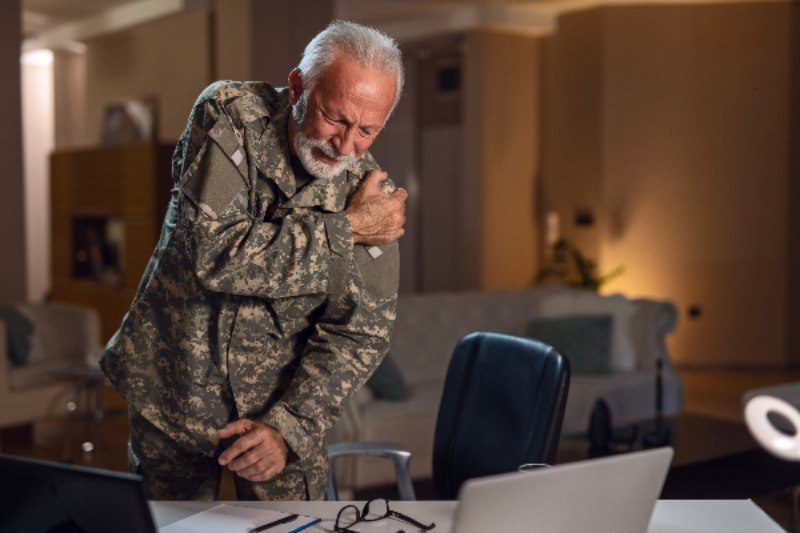
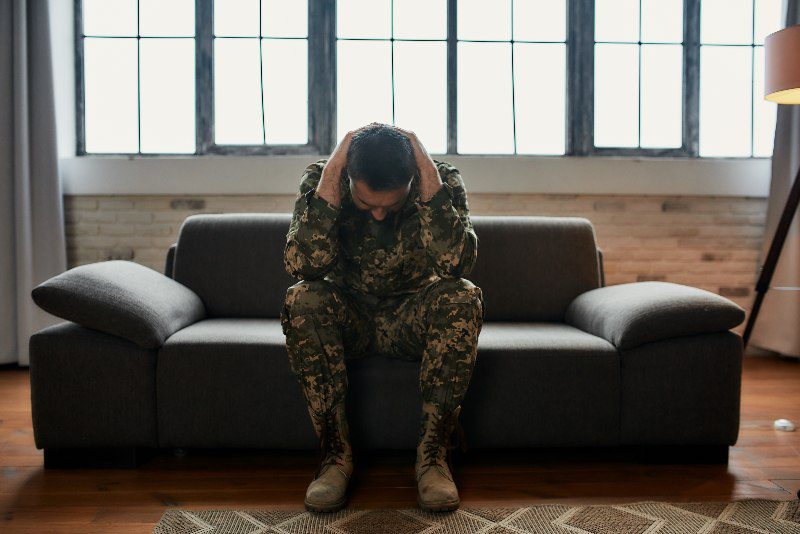
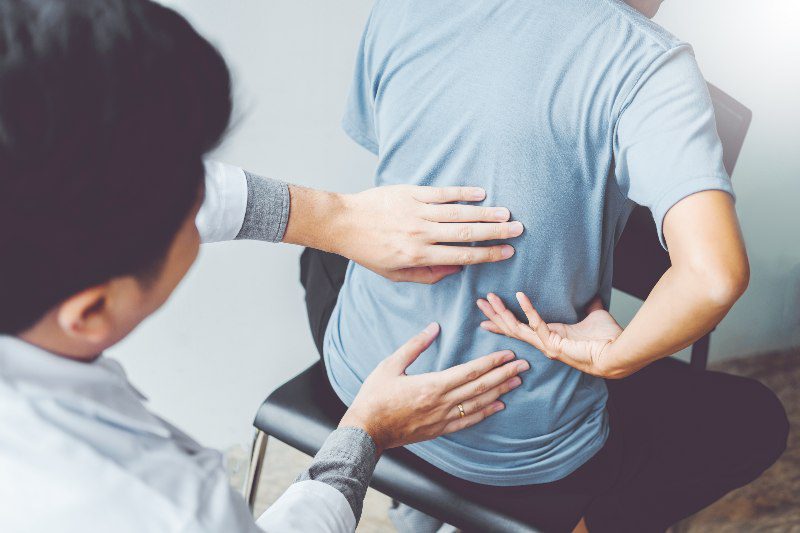
Blog

  • How to Help a Veteran in Crisis: 5 Signs and 4 Ways to Help

    How to Help a Veteran in Crisis: 5 Signs and 4 Ways to Help

    Table of Contents

    It’s important to support our nation’s heroes and help Veterans in their time of need. We hope this resource will educate you on how to help a Veteran in crisis, particularly when it comes to their mental health.

    To start, we’d like to shed some light on some prevalent mental health issues within the Veteran community.

    how to help a Veteran in crisis

    How Many Veterans Battle with Mental Illness?

    Mental Health

    The Wounded Warrior Project, an organization that focuses on empowering Veterans to get help from, and be more involved with their communities, has found the following trends from user surveys:

    1. 72% experienced depression, with 53% presenting moderate to severe symptoms.
    2. 74% experienced anxiety, with 63% presenting moderate to severe symptoms
    3. 25% of surveyed Veterans have had suicidal thoughts within the past 12 months.
    4. 16% of surveyed Veterans experienced military sexual trauma (67% of those being women).
    5. 75% of surveyed Veterans experienced PTSD as a result of their service, with 49% presenting moderate to severe symptoms.

    how to help a Veteran in crisis

    Another study from BMC Women’s Health found that women are more likely to develop service-related mental health conditions when compared to their male counterparts.

    PTSD: 29% of female Veterans vs. 12% of male Veterans

    Depression: 46% of female Veterans vs. 21% of male Veterans

    Suicidal ideation: 27% of female Veterans vs. 11% of male Veterans

    5 Signs of Someone Battling a Mental Illness

    Mental Health

    There are many potential symptoms someone may exhibit when struggling with mental health disorders. This is because different conditions can manifest different traits.

    This is because different conditions can manifest different traits. Additionally, many symptoms are internal, making them difficult for you to pick up on.  

    Regardless, here are five common signs family members of Veterans may observe that can hint at an underlying battle with mental health.
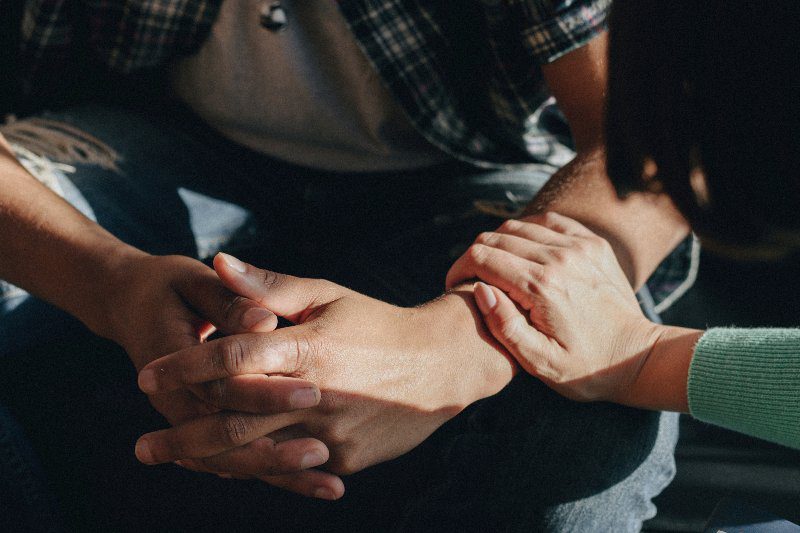
    1. Excessive worrying: It’s normal to have a little anxiety throughout the day, like worrying you left the stove on after you’ve left the house. Excessive worrying, however, can be debilitating. This is when fears and anxiety creep into your everyday life, keeping you from functioning optimally.
    2. Extreme mood changes: A little fluctuation in mood is nothing to worry about. But when someone’s mood is unpredictable, even to themselves, that can be a sign of a larger issue. 
    3. Avoidance of friends or social situations: Many people who have mental illness can feel overwhelmed in social scenarios, even if they’re surrounded by friends and family. If you find that Veterans in your life aren’t as willing to come out to socialize, that may be your sign to check in on them.
    4. Changes in eating habits: People with anxiety disorders can have very different relationships with food. Some over eat as a coping mechanism, while others lose their appetite altogether. A change in either direction may be an indication that they have experienced a significant change in mood or mental state.
    5. Changes in sex drive: You may notice a sudden change in their sex drive. People with depression tend to lose interest in activities they once enjoyed, including sex. 

    Ways You Can Help a Veteran in Crisis

    Mental Health

    There’s a lot you can do to better support the Veterans in your life who are going through mental health challenges. 

    Here are four suggestions for how to help a Veteran in crisis.

    1. Educate Yourself About Their Illness
      There is a lot of nuance to mental health illnesses. While you may never be an expert, you can do your best to educate yourself on these nuances so you have a baseline to help the Veterans in your life. The National Alliance on Mental Illness has a resource that addresses the basics of many of the most common mental health disorders Veterans may experience. This is a great place to start your educational journey.
    2. Help Them Find Treatment
      If the Veteran in your life is willing to seek treatment, you can help them get there. This may start with getting a proper diagnosis for their condition. Securing a diagnosis will help open the door to future treatment options. If you are a family member or spouse of the Veteran, you may want to work closely with their treatment team so you can stay in the loop on what their home treatment should look like.
    3. Be Patient
      The path toward better management of mental health disorders is far from linear. There may be times of significant progress, but other times it may seem like no progress has been made at all. Just be patient and trust the process. It can be hard to get a holistic view of one’s progress, so focus on small successes in the meantime.
    4. Take Care of Yourself
      You can’t be very helpful to others if you aren’t taking care of yourself. Don’t think of it as being selfish—just think of it as an opportunity to recharge. Eat healthily, exercise regularly, and don’t forget to indulge in your favorite activities. You may consider attending therapy for yourself.
    how to help a Veteran in crisis

    Veteran Mental Health Resources to Know About

    To supplement your own education, here is a list of Veteran mental health resources that may be helpful:

    Help Veterans Towards the Path of Peace

    If you’re witnessing a loved one in their struggle with mental illness, get some help. Telemedica is here to connect Veterans and their families with the resources they need. Contact us today for more information.

  • World Mental Health Day & Therapy For Veterans

    World Mental Health Day & Therapy For Veterans

    Table of Contents

    So, what is World Mental Health Day? On October 10th, people around the world come together to talk about mental wellbeing and lessen the stigma surrounding it.

    World Mental Health Day

    Veterans, you are not alone if you’re dealing with anxiety, PTSD, or any other mental health issue. However, the unique struggles Veterans face daily can make it challenging to bring up in conversation with doctors or loved ones. It’s well worth pursuing therapy for Veterans, though for some it can feel intimidating. 

    World Mental Health Day provides us with the opportunity to break the stigma around mental health and bring shadows into the light. It’s time to have these conversations and discover resources to get you the support you need. 

    How Mental Health Impacts Veterans

    Mental Health

    For Veterans returning home, your next battlefront may be mental health. 

    It is the responsibility of the community to provide a safe space to talk about the challenges you’re facing. They are real, valid, and critical to your well-being. 

    It’s important to know that the feelings and experiences you may be dealing with on a daily basis are more common than you think—many Veterans have emotional stress that impact their relationships and daily activities. Roughly 1 in 5 Veterans experience mental health issues, including PTSD. However, only 12% of Veterans actively use mental health care resources. Considering that roughly 10–20% of PTSD cases can escalate to the point of debilitating symptoms, it’s more important than ever to seek help for mental health. 

    World Mental Health Day

    How Do I Bring Up My Concerns to My Doctor?

    Mental Health

    Reaching out to your support system, discussing your symptoms, and asking for help are the first steps toward recovery.

    The thought of bringing up your mental health concerns with your doctor is important for your quality of life. They are there to provide a safe, empathetic space to talk and are equipped with the resources to help you through this.

    Choosing to have a conversation with your doctor about your emotional wellbeing can be a life-changing decision. Though you may think all you need is time to heal your emotional wounds, the afflictions you’re experiencing rarely go away on their own.

    Discussing Your Symptoms with Your Doctor

    If you’re experiencing any of the following symptoms, bringing them up to your doctor can start the conversation.  

    • Thinking negative thoughts about yourself
    • Having frequent anxious feelings
    • Losing your appetite
    • Experiencing irritability or mood swings
    • Having difficulty with daily activities
    • Finding yourself sleeping too little or too much
    • Struggling with concentration
    • Hearing or seeing things that aren’t there

    Questions to Ask Your Doctor During Your Appointment

    It may be helpful to prepare some questions to ask your doctor so you can address all of your concerns. 

    The Military mental health stigma can feel very real, but help is within reach. Your doctor is there to provide resources for your benefit, so don’t be afraid to ask questions and voice your concerns. Here are a few to get you started:

    • What type of mental health issue might I be struggling with?
    • How do you treat this issue?
    • Why can’t I get over this by myself?
    • How do I know if I really need therapy?
    • Where can I find out about different therapies?
    • How do I find a therapist?
    • What can a therapist do for me?
    • How long will treatment take?
    • What can I do on my own to help the process?
    • Do you have any printed materials I could look over?

    Contact Telemedica Today to Learn How We Can Help

    You’re in good company. Let’s celebrate World Mental Health Day together. We can all work toward breaking the stigma surrounding mental health conversations, especially for Veterans and those on active duty. 

    Telemedica’s staff is happy to support you in making these conversations easier. Our team can help facilitate the conversation between you and a doctor who will guide you through the process. Contact us today to learn more.

  • The Top 5 Symptoms of Chronic Pain in Veterans

    The Top 5 Symptoms of Chronic Pain in Veterans

    Table of Contents

    Chronic pain may affect more than 50% of the 18 million Veterans in the United States, so if you’re a Veteran living with the symptoms of chronic pain, you’re not alone. However, at Telemedica we believe that you deserve to live a pain free and healthy life after your time in service to your country. 

    symptoms of chronic pain

    While the symptoms of chronic pain may wax and wane, and can sometimes be difficult to identify, chronic pain can have lasting effects on the body – in some cases, chronic pain may arise as a result of another condition. This is what we would call a secondary service-connection. The symptoms of chronic pain might include phantom pains from an amputated limb, a back or spinal cord injury, or something similar. It is also possible to sustain an injury that goes unnoticed, or develop a small injury that can worsen over time with age or aggravation. 

    Chronic pain can surface unexpectedly for many Veterans at any point in their lives, so the topic of chronic pain is often a relevant conversation. We’re here to share five symptoms of chronic pain that can help you catch this condition sooner rather than later.

    What is Chronic Pain?

    Mental Health

    If you’re experiencing discomfort in one or more areas, and you can’t seem to find relief, it may be time to see a medical professional and/or obtain a diagnosis.

    Chronic pain is defined as persistent pain lasting for at least twelve weeks and that can significantly burden daily life – this pain can range from a nagging sensation to a pain that is more intense and overwhelming. 

    Veteran with symptoms of chronic pain

    What Are the Symptoms of Chronic Pain?

    Mental Health

    It can be difficult to spot chronic pain symptoms if you don’t know what you’re looking for.

    Since chronic pain can start as minor soreness and increase drastically in intensity, spotting this condition early can make long-term care much easier. Early detection and treatment can prevent this condition from worsening overtime. 

    If you were in active duty during your time in the military, you may have developed a habit of dismissing minor aches and pains – writing it off as something that simply “comes with the territory.” However, it is important to let your body rest and recover and seek help for these aches and pains – especially if they don’t have a logical explanation for developing.

    When seeking out help or treatment, identifying the five most common signs of chronic pain is a great place to start. The most common signs are: 

    1. Joint pain
    2. Burning pain
    3. Muscle aches
    4. Fatigue
    5. Depression or anxiety

    While chronic pain can be consistent, you may have some days where the flare-ups are worse than others. A great practice is to keep a pain journal so you can study your symptoms and make educated decisions in finding help. 

    How to Treat Chronic Pain

    Mental Health

    Treating chronic pain can feel like an uphill battle, especially when you’re trying to tackle it on your own.

    Luckily, a wide range of resources and support is available to you. While we may not have found a cure-all solution for chronic pain, there are many options to ease symptoms and provide a higher quality of life while you are identifying the root cause of your pain. 

    From traditional avenues to lifestyle adjustments, here are some ways to find relief from chronic pain.

    • Medication: For acute pain, many medications can ease symptoms in the short-term but may not be a sustainable long-term solution. It’s important to talk to your doctor before starting any new medications and to understand the potential risk factors and possible side effects involved. If your pain makes daily tasks feel unbearable, medication can alleviate your symptoms while you address the underlying issues. When you’re no longer in debilitating pain, you can seek out long-term treatments and solutions that better fit your needs if necessary.
    • Massage therapy: Massage therapy can provide great relief for those struggling with joint and muscle pain. There are varying techniques, but overall it involves rubbing and kneading muscles and joints to relax tense muscles and alleviate pain.
    • Talk therapy: Veterans seeking treatment for chronic pain may find that there’s a connection between their symptoms and PTSD. Mental health conditions can exacerbate pain and make it harder to manage. Talk therapy can be an effective way of managing both.
    • Mindfulness: Just like talk therapy, mindfulness techniques can alleviate some of the daily struggles with pain. Meditation for relaxation and journaling about your symptoms can increase awareness and help you locate the source of the pain. In the long run, this can be a good way to find a long-term solution.
    • Healthy living: Lifestyle changes can make all the difference in managing chronic pain. You’ll see improved results when your body is well-equipped to deal with your condition. Eating well and regularly exercising are great places to start. It’s also important to drink lots of water and take vitamins and supplements that support your overall cellular health. Be sure to discuss the right supplement regimen with your doctor or natural path before taking new vitamins or supplements. 
    Back Pain

    The best way to alleviate your chronic pain is to treat it at the source. Talk to your doctor about your chronic pain and remember to include as much detail as possible when talking about your symptoms. It may be difficult to identify where the pain originated, but it is possible to reverse your chronic pain and live comfortably. 

    Many options are available to you for resources and support in your journey. You don’t have to struggle alone. After your time in service, it’s time to relax and focus on caring for yourself. 

    Reach Out to Telemedica to Start Your Journey

    If you’re a Veteran experiencing chronic pain, contact Telemedica today. Our team can provide you with a Nexus Letter and get you started on the path to receiving your VA benefits. 

    Take a look at our provided services and begin easing your symptoms as soon as possible. Let us help you reclaim your health and your life.

  • Is There a Link Between PTSD and Migraines?

    Is There a Link Between PTSD and Migraines?

    Living with PTSD can be stressful enough on its own, but when recurring migraines start showing up as well, it can make navigating day to day life even more difficult and challenging. Few people discuss the link between these two frequently occurring afflictions, but there is reason to believe there’s a strong connection. A 2015 study found that individuals with both PTSD and migraines “may be particularly prone to adverse financial, health, and interpersonal burdens.” 

    Table of Contents

    PTSD and Migraines

    PTSD & Migraines

    Though headaches don’t receive the same kind of attention in terms of mental health, when daily migraines plague you, it’s important to identify the cause, which could be related to your overall mental health. 

    Having PTSD means being at a higher risk of developing different health issues. Pain is one of those, and headaches or migraines are a significant source of intense pain for many individuals. In this blog, we will analyze the link between PTSD and migraines and provide information that can help Veterans –  just like you – take the next step towards healing.

    What is Post-Traumatic Stress Disorder (PTSD)?

    Mental Health

    Post-traumatic stress disorder (PTSD) develops when an individual witnesses a shocking, dangerous, or frightening event.

    While it’s normal to feel afraid during traumatic situations, those who feel affected for a long time afterward may be diagnosed with PTSD.

    PTSD is characterized by people who feel stressed or frightened, even when they aren’t in danger. This is a common affliction for Veterans who saw combat. Ongoing, chronic PTSD is when someone regularly experiences symptoms for years after the event.

    What is a Migraine?

    Mental Health

    A migraine is an intense headache that causes severe, throbbing pain (typically on one side of the head).

    It can also be accompanied by nausea, vomiting, and sensitivity to light and sound. These attacks often last longer than your average headache, anywhere from hours to multiple days. 

    Migraine pain can be severe to the point of disability. It can be extremely frustrating when you experience them frequently enough to interfere with your daily activities.

    Can PTSD Cause Migraines?

    Mental Health

    Having PTSD can be linked to an increased risk for migraines.

    The stress of an PTSD episode can push your body to develop different types of headaches, which may escalate into migraines. While daily headaches can be a nuisance and hinderance to your daily life, migraines are more likely to stop you in your tracks.

    PTSD Headaches.

    People are typically prone to migraines before developing PTSD, meaning that it is not the underlying cause. Healthcare experts still haven’t figured out the exact cause of migraines, but they believe a genetic component is involved. So while it is not the direct cause, it is a possibility that PTSD triggers migraines.

    Is that possibility enough? There is precedence for the VA ruling that migraines can be secondary to service-connected PTSD.

    The intensity of your migraines could also be linked to the severity of your PTSD. These painful occurrences could provide healthcare professionals with additional information to better treat your other symptoms in a best-case scenario.

    How to Manage Your Migraines

    Mental Health

    Managing your migraines can feel overwhelming. If your daily life is continually put on hold due to persistent headaches, there are ways to manage your pain levels.

    Managing migraines secondary to PTSD can help reduce triggers in the long run. Options like cognitive behavioral therapy can be helpful to reduce stress. Diagnosing PTSD can also go a long way toward significantly reducing migraines. Receiving a diagnosis means that you’re one step closer to understanding what is going on internally and how you can move forward with treatment.

    Treating both PTSD and migraines is the best way to reach a solution. Getting a diagnosis is the first step, and from there you can reach out to a healthcare professional for recurring treatment.

    In the meantime, here are a few ways to manage your migraines naturally: 

    • Water. Drinking enough water is a natural way to reduce migraines. Dehydration can lead to flare-ups, so be sure to keep up on your water intake. 
    • Cold compress. While cold and warm compresses can be used, a cold compress is usually the best option. Be sure to place a cloth between your skin and the ice pack for protection. 
    • Ginger tea. This herbal tea has been shown to have a similar effect to traditional medication when treating migraines. 

    Schedule an Appointment with Telemedica

    What else can you do for your PTSD and migraines?

    The first step to getting help is a diagnosis. Telemedica offers services to assess your symptoms and provide you with an accurate diagnosis from trusted professionals. Book an appointment today to start on the road to recovery. Additionally, if you have a diagnosis for a headache condition and feel it may be connected to service or a service connected condition, you may consider a Nexus Letter from Telemedica as well. 

    If you are a Veteran in need of recurring therapy tailored to your specific needs, you can book a recurring therapy session with us today!

    Untitled design 38 e1658520481699

    This blog has been verified by Telemedica’s lead Nexus Team provider Tara Thompson (PA-C; MPAS). The information provided here is factual, up to date, and approved by our professionals.

    To learn more about our team of providers, click here. 

  • 6 Ways to Cope with Mental Illness

    6 Ways to Cope with Mental Illness

    Coping with Mental Illness: Winning Your Most Personal Battle

    Many people are quick to thank our servicemen and women for their time in the military, but not everyone considers what that time may have cost them—and, more importantly, what it continues to cost our veterans after they return to civilian life.

    The truth is, life in the military is hard on both the body and the mind, and it can leave wounds, both visible and invisible, that take years to heal.

    As a result, many veterans are left to deal with mental illnesses that can be difficult to overcome on their own. 

    Table of Contents

    Veterans and Mental Health

    Treatment for mental illness isn’t always finite; many mental health conditions are chronic and ongoing – some may even last a lifetime. As a result, living a healthy life with a mental health challenge is about understanding and incorporating the right coping mechanisms into your day-to-day routine. 

    The good news is, it’s still possible to lead a fulfilling, productive life in spite of psychological challenges. Despite your limitations or personal struggles, you can still overcome your most personal mental health battles.

    At Telemedica, we know how challenging this journey can be. Many of us are veterans ourselves, and have dealt with mental health battles of our own. We’ve been where you are, and we’re here to help. Keep reading for our six recommendations for coping with mental health challenges in your day to day life. 

    1. Coming to Terms with Your Situation

    Mental Health

    Every person is different. We all have different circumstances and physical and mental conditions with which we have to contend.

    Our struggles are part of the human experience. Accepting your situation requires letting go of judgments about yourself and your mental illness. Do this by educating yourself about your mental illness and connecting with individuals dealing with the same condition. This can help you overcome self-judgment and find ways to cope with the illness head-on. 

    Mental Illness

    2. Dive Into Hobbies

    hobbies e1646667092460

    What are you good at? What activities are enjoyable to you? 

    Whether that’s cooking, playing chess, or embellishing a room with a new coat of paint, doing what makes you feel good can be wonderful for your mental health. Adopting a new hobby can give a boost of self-confidence and can help you get through tough times a bit easier. 

    If you feel comfortable, consider engaging in activities with friends and family. This can encourage you to continuously keep in touch with loved ones—relationships that are crucial to improving your mental health. 

    Mental Illness

    The most popular hobbies for veterans who are coping with stress include: 

    • Creative art
    • Music 
    • Running
    • Gardening
    • Camping

    3. Seek Treatment

    RESIZED mobile copy e1647035608119

    Many veterans reach a point where, unable to fight the battles of the mind on their own, decide that it’s time to ask for help from qualified professionals.

    Mental illnesses can often be chronic and ongoing treatment may be required. It takes a lot of strength and courage to ask for help – it is important to remember that your value as a person does not diminish because you have a mental health condition or if you seek help. Taking care of your mental health is just as important as taking care of your physical health. Mental health concerns are real struggles, not signs of weakness or moral failings. 

    Just got the rating today for my mental health claim at 70%!! My psych provider’s IMO was the key for success and it was my only evidence provided to the VA!! Will definitely use you guys again and will refer to other veterans!!


    To schedule a mental health evaluation with one of our licensed providers, click here.

    Sparking a discussion with a health professional about your mental illness to find ways to cope with your condition is a great place to start. Whether this involves medicine, therapy, diet and lifestyle changes, or some other form of treatment, your health care provider or therapist can help you create a long-term plan that will be beneficial for you and your lifestyle.

    A great way to track your progress with a new regimen or medication (as recommended by your therapist or health care professional) is to keep a log of how you’re feeling from day to day. Keeping a journal can help you identify if a treatment is working well, and it can assist you in monitoring your progress, behavior, and mood. 

    Keep in mind that the path to mental wellbeing is not a one-size-fits-all process. Mental health treatments can be as individual and unique as the person that they’re intended for. There are many options to choose from so don’t be afraid to try a few different treatment styles before you find the one that fits best for you. 

    4. Do Your Best to Not Compare Yourself to Others

    scale e1647035330867

    “Do no underestimate yourself by comparing yourself to others. It’s our differences that make us unique and define just how special we are.”

    Since mental health treatment is different for everyone, it’s important to not compare your own mental health journey to that of someone else’s. Everyone grows and heals at their own pace, and we all have different reasons for seeking out mental health care. The most important thing to remember is to give yourself grace and go easy on yourself – healing is not always linear and can take time. Celebrate the small victories and focus on doing the next right thing for you.

    5. Talk about Your Feelings

    speech bubble 1 e1647035349226

    Talking about your mental health can be very beneficial to your healing – that’s why talk therapy is so successful.

    Regularly check in with yourself and express what you’re feeling and thinking – either with a trusted friend of family member or a therapist. Expressing emotions is a sign of strength, not weakness, and walking through your thoughts and feelings can have a profound impact on your mental health. 

    Your experiences are real, and they deserve to be validated; both by yourself and by those you surround yourself with. 

    A few ways you can express your emotions is by:

    • Talking to a trusted friend or family member: Bottling up your feelings can put physical stress on the body, produce feelings of isolation, and promote unhealthy coping mechanisms. Sit down with or call a trusted friend or family member regularly. Simply having them listen can help you feel more at ease. As you let go of some emotions, this can create space for more positive feelings.
    • Writing in a journal: Journaling is a healthy way to explore your thoughts and let go of negative thought patterns and unwanted feelings. Don’t overthink your entries—just write whatever comes to mind. You may also want to write out words of affirmation to help you stay positive and focused. 

    6. Stay Active

    Tennis

    Exercise can elevate the brain’s serotonin, dopamine, and norepinephrine levels, offering mental clarity and enhanced mood and energy.

    Taking time to get some form of physical activity each day can be highly beneficial.

    Start slow, if needed. You might begin by taking a stroll through your local park for 15 minutes. When you feel comfortable enough, increase the duration to 30 minutes. 

    If one activity starts to feel dull or repetitive, switch to a new one, or begin diversifying your exercise routine. Or, consider listening to podcasts or audiobooks to keep yourself mentally engaged during activities. You can also bring someone along with you, both to enjoy pleasant conversation and to keep yourself accountable.

    The goal of staying active should be to move your body, get some sunshine, and get the blood flowing. Being active can help you feel better in mind, body, and spirit.

    Medical Evidence Wins VA Claims

    If you are a veteran dealing with mental illness, schedule a Telemedica evaluation. Our team at Telemedica offers psych evaluations through telehealth appointments. We offer Nexus Letters, Mental Health Evaluations, and Telemedicine Evaluations (first-time diagnoses) so veterans can receive the VA benefits and compensation they deserve and take another step forward on their path to mental and physical wellbeing.

  • Veterans Telehealth Services

    Veterans Telehealth Services

    Table of Contents

    Telehealth Services for Veterans

    If you are a veteran seeking health benefits, obtaining a diagnosis through telehealth services can be the first step on your path to living a happier and healthier life.

    At Telemedica, we understand the challenges involved in getting the care and treatment you need, and the VA benefits and compensation you deserve.

    The first item on our agenda? Educating you on the advantages that veterans telehealth services can offer. Let’s dive into how a telehealth visit can help you receive medical evidence needed to file for your VA benefits.

    Working with the VA: A Long & Complicated Process

    How to Help a Family Member with Mental Illness

    Mental Health

    To obtain VA benefits for a mental or physical health condition, you must have medical evidence. While going directly to a VA facility might seem like the reasonable thing to do, working with the VA may turn into a long and challenging process.

    Telehealth Services for Veterans

    Because the VA is a government entity, it adheres to stringent regulations—regulations that do not necessarily make the process of seeing a provider quick and easy. There are several hoops Veterans typically have to jump through to accomplish things like obtaining a diagnosis, obtaining medical evidence, or obtaining their benefits. 

    The most common roadblock? Long wait times. Receiving a diagnosis usually requires going to a VA clinic or hospital where the wait times tend to be much longer than civilian providers. According to one source, “the average wait time for a mental health appointment at the VA was 50 days.” 

    Moreover, if you live in a rural area, the scarcity of providers only makes it more challenging to receive prompt care. 

    Telehealth Services for Veterans

    The Solution: Getting Assistance via Veterans Telehealth Services

    RESIZED mobile copy

    Fortunately, there is a solution to some of these barriers—telehealth services for veterans. Telehealth services can dramatically simplify and quicken the process of obtaining the treatment and benefits you deserve. 

    Here are four advantages that come with telehealth visits: 

    1. Prompt Quality Care

    Telehealth offers access and convenience. Veterans can see medical specialists without leaving their homes and without having to endure long wait periods. Because of prompt care, the number of Veteran telehealth visits has been consistently increasing every year. 

    Take a look at the number of veterans who sought telehealth visits during the past few years: 

    • 2016: Approximately 700,000 
    • 2018: Approximately 2.3 million 
    • 2019: Approximately 2.6 million 
    Telehealth Services for Veterans

    With prompt care, Veterans can attain the benefits and care they need sooner rather than later—-in 2016 alone, Telehealth visits brought down VA hospital admissions by 31 percent. 

    2. Better Access

    Do you live in a rural area? No problem. Approximately “45 percent of Veteran telehealth patients live in rural areas.” Telehealth provides quick and easy access to providers who can punctually get you what you need, no matter your geographic location.

    For example, the Psypact enactment enables mental health providers to practice across twenty-two states (and this number is constantly growing). This can help veterans by giving them access to a broader range of providers.

    Moreover, when veterans are seeking mental health care via telehealth, speaking with a provider in the comfort of your own home can help you feel more comfortable and lead to better quality care. Everyone’s experience is unique, so it’s important to gain access to customized care that works for you. 

    Telehealth Services for Veterans

    3. Veteran-Specific Services

    Some telehealth visits entail veteran-specific telehealth services. These providers carry the expertise and experience to provide strong medical evidence that meets the VA’s rules and regulations. As they understand the needs of U.S. Military Veterans, telehealth providers can offer the compassion and care you need to confidently navigate through your journey to obtaining medical evidence.

    Telemedica Newsletter

    4. Cost Savings

    Let’s not forget the costs. Veterans can save roughly 60 to 70 percent when switching to telehealth services from traditional in-person appointments. 

    Co-pays for virtual appointments generally cost less. This does depend on your insurance and provider, so we recommend first speaking with your insurance company about virtual visit costs. 

    What We Offer

    Mental Health

    At Telemedica, we are proud to help open the door to high-quality telehealth services for Veterans.  We understand time is of the essence and waiting around for required medical evidence should not be the norm.  

    As we know, to acquire VA benefits, you must have medical evidence or a diagnosis. Telemedica can connect you with our network of independently contracted providers who can provide telehealth examinations you might need. These assessments may result in a medical diagnosis of a mental health condition or 19 applicable medical conditions (ED, GERD, IBS, and more). 

    Schedule Your Telehealth Visit Today

    Telemedica is a telehealth company by veterans for veterans. If you’d like to receive a medical/mental health assessment to boost your VA claim, reach out to our team today. We proudly connect veterans with our network of independently contracted providers and look forward to doing the same for you. 

  • 25 Organizations That Help Veterans

    25 Organizations That Help Veterans

    No one mistakes military service as easy, but not everyone recognizes just how greatly Veterans have sacrificed during their time in the service.

    Fortunately, there are organizations out there that recognize the sacrifices our soldiers have made and they are working to give Veterans the support they need in their lives post-discharge.

    Our team at Telemedica has gathered 25 trustworthy non-profit organizations that help veterans obtain a home, get a job, deal with substance use disorders, and heal both mentally and physically from injury and illness.

    We believe in putting Veterans first, so here’s a list of organizations that do just that.

    Table of Contents

    25 Organizations That Help Veterans

    Housing Support

    home

    Veterans, especially those returning injured or ill, may need immediate, transitional, or permanent housing. These organizations help veterans receive, keep, or maintain their homes.

    • Habitat for Humanity Veterans Build works to build strength, stability, and self-reliance in partnership with Veterans who need decent and affordable housing.
    • Homes for Our Troops builds and donates specially adapted custom homes for severely injured Veterans.
    • Operation Homefront offers rent-free transitional housing for wounded service members and gives financial assistance for critical home repairs and rent/mortgage payments.

    Job Support

    healthcare

    Most Veterans don’t have a job lined up when they discharge. These organizations help veterans who are unemployed get back to work.

    • Hire Heroes USA gives personalized service to help Veterans get hired and aids companies with hiring and retaining Veterans.
    • Hiring Our Heroes connects veterans with American businesses to create economic opportunity and a strong and diversified workforce.
    • Jobs Opportunities for DisABLED Veterans has a job board and free courses in productivity, computer science, IT infrastructure, and data science.
    25 Organizations That Help Veterans

    Education Support

    graduation hat

    Getting scholarships, grants, and other financial assistance for education is a big benefit for Veterans. These organizations give educational help to Veteran students.

    • The American Legion Education Services lists Veteran education assistance opportunities and encourages Veterans to use their college search engine to find the best school for them.
    • Military OneSource can help Veterans find education benefits, including grants, scholarships, tax credits and deductions, and specialized programs. 
    • Veterans Education Success helps Veteran students with education issues and works on a bipartisan basis to advance higher education success for Veterans.

    Substance Use Disorder Support

    support

    The reasons behind substance use are complex, but these organizations know what is required to support Veterans overcome and begin the healing process.

    • DrugRehab provides information, resources, and treatment for people battling addiction and its underlying causes.
    • RehabSpot helps addicted veterans get their life back by educating on specific types of drugs and what rehab patients can expect during their journey to recovery.
    • Start Your Recovery understands how some elements of military culture, along with the stress of returning to the civilian world, can lead to substance use disorder, and provides helpful resources for coping. 
    25 organizations that help veterans

    Mental Illness Support

    Icon of brain

    These organizations know that taking care of a Veteran’s mental health can drastically improve mood, reduce suicide ideation, and improve quality of life. 

    • HeadStrong offers cost-free, barrier-free, and stigma-free mental health treatment for military Veterans and their families.
    • K9s for Warriors provides Veterans with trained service dogs in an effort to end Veteran suicide.
    • NAMI (National Alliance on Mental Illness) has a mission to advocate, educate, support, and make aware of how mental illness affects Veterans and their families. 
    • Veterans Crisis Line confidentially connects Veterans in crisis with caring, qualified responders 24/7.

    Injury and Physical Illness Support

    clipboard

    Unfortunately, some Veterans return home with an injury or illness. For physical support, look to these non-profit organizations that help Veterans.

    • Fisher House Foundation builds “comfort homes” where Veterans and their families can stay free of charge while they or a loved one is in the hospital. 
    • Freedom Service Dogs of America raises the next generation of service dogs, and even lets Veterans watch the puppies learn and grow in real time.
    • Semper Fi Fund makes it easier for wounded Veterans to start new and productive lives using critical tools and skills.
    • Nursing Home Abuse Justice helps elderly Veterans in nursing homes who suffer from physical harm, financial exploitation, and even sexual battery.

    Community Support

    charity

    To feel fully transitioned and reintegrated, Veterans must be part of and supported by a community. Here’s a list of organizations that connect Veterans with others just like them.

    25 Organizations That Help Veterans

    Telemedica: The Medical Evidence Experts

    Did you know that medical evidence wins VA claims?

    Whether you need a nexus letter for sleep apnea secondary to rhinitis or something else, we make it EASY for veterans to connect with a licensed provider through our HIPAA-compliant telemedicine platform—anytime, anywhere! 
     
    From DBQs and Nexus Letters to Psych Evals and Telemedicine Evaluations, the Telemedica team is standing by to serve you. Get the evidence you need to win your VA claim today. 

  • How to Cope with the Suicide of a Loved One

    How to Cope with the Suicide of a Loved One

    Table of Contents

    Veterans and their families are no strangers to loss, but the most devastating losses are the ones that feel like they could have been prevented. Often, when a loved one takes their life, those close to them feel personally responsible—that if only they had known how hard their loved one was struggling, or if they had only done more to help them, they will still be around.

    Grief is difficult to handle under the best of circumstances, but survivor’s guilt can make the pain unbearable.

    At Telemedica, we hope that no one has to face these difficult feelings and experiences without help. That’s why we’ve put together this post explaining how to cope with the suicide of a loved one. As navigating through the time after a loss can feel overwhelming, we hope these recommendations will help you find your path to healing.

    1. Listen to Your Emotions

    How to Help a Family Member with Mental Illness

    Mental Health

    It’s okay to hurt after someone you care about is gone; this is a natural part of the grieving process, and grief comes with various complicated emotions.

    Instead of avoiding, ignoring, or otherwise “bottling up” these feelings, pay attention to them and accept them. They will come and go throughout your journey of healing, and working through them can help you heal.

    These emotions may include one or more of the following: 

    • Shock: Feelings of numbness or detachment from reality are common responses to loss.
    • Denial: You may refuse to accept your loved one’s death. This may change over time as you acquire more information. 

    • Guilt: Feelings of guilt are common, especially when the loss is a suicide. It’s natural to blame yourself, rather than accepting that some things are out of your control.
    • Sadness: Memories and reminders of the loved one can trigger sadness, hopelessness, and bitterness.
    • Anger: It’s common to feel a sense of abandonment, and a resentment to either the person you’ve lost or the circumstances of that loss. Those emotions often express themselves as anger, and can be directed at any number of points both internal and external.
    • Confusion: There will likely be unanswered questions, which may compel you to try and make sense of the situation, even when there’s little that’s logical about the loss.

    2. Look After Yourself

    charity

    Keep in mind, there is no right way to grieve, nor is there a definite timeline for when the pain and emotions will soften.

    Every person is different, so take your time, and don’t expect recovery to meet some kind of deadline. 

    Take note and respect your boundaries by:

    Not rushing yourself: Do what is right for you. Do not feel inclined to do something for someone else’s sake. It’s essential to listen to your mind and body at this time and do what is comfortable. For example, if you don’t feel ready to visit the gravesite of your loved one, it’s okay to wait until you are ready.

    Grieving in your own way. Some days will be better than others, and this is okay. Healing after the suicide of a loved one is not a linear path. There will be roadblocks that cause emotions to resurface, making you feel like you’ve slipped backward in your healing journey. Whatever happens, be patient with yourself. Instead of feeling frustrated, acknowledge that this is all part of the healing process and give yourself grace.

    Taking the time to focus on you. It can feel impossible to make room for yourself when you’re consumed with loss and grief. Carve out time each day to eat well, take a walk, get a healthy amount of sleep, and do other things that constitute healthy self care for you. Just remember that too much of any self care tactic can be counter productive, so keep things in balance.

    3. Reach out to Someone You Trust

    deal

    It isn’t healthy to bottle everything up inside, but it can be difficult to sort through these feelings on your own.

    That’s why it helps to talk to someone you trust. Connecting with others can help you feel less isolated, assure you that others share your pain, and remind you that there are people who will always be there for you. 

    Make sure that you share your feelings with someone who will be supportive, and who will encourage healthy coping habits (and discourage unhealthy ones). If people who meet those standards seem to be in short supply in your life, consider reaching out to a licensed counselor or therapist. 

    Not only will such a professional offer an optimistic and objective outside perspective, they will have experience and training assisting people through difficult experiences like yours. You may even find that they provide you with the tools needed to heal from emotional wounds you weren’t even aware of before the loss.

    And lastly, if you are not ready to talk to people, that’s okay too. You may still find comfort in spending time with close family and friends, even if you don’t talk about the loss, or don’t talk about anything at all. Sometimes, it can help to simply have a shoulder to lean on. 

    4. Find Resources to Help You Cope

    medical icon

    In some groups and cultures, suicide is a stigmatized subject, making it incredibly difficult to find support after the suicide of a loved one.

    It can also make it challenging to acknowledge your emotions and authentically communicate those feelings. 

    Rest assured, there are resources to help you grieve in your own way and feel better supported during this time. 

    Support Groups

    • Alliance of Hope for Suicide Survivors: Nonprofit organization Alliance of Hope aims to offer support resources on survivor experience. Some of their services entail guides on how to cope with suicide, online forums, and consultations with loss professionals. 
    • American Foundation for Suicide Prevention (AFSP): The AFSP has a local chapter in all 50 states. They connect those who have lost loved ones to suicide and those struggling with suicidal ideation to local support groups and outreach programs. 
    • VA Office of Survivors Assistance: The VA offers resources for survivors and dependents of deceased Veterans and service members. Some of these resources include bereavement and readjustment counseling. 
    • Stop Soldier Suicide: Stop Soldier Suicide leads the fight against veteran suicide. They offer support to veterans who are struggling after their time in the service. If you are interested in helping veterans, learn about how you can support the organization. 

    Don’t Give Up

    Mental Health

    Finally, it’s important not to let temporary feelings lead you to permanent decisions. It’s not uncommon for those experiencing grief after the suicide of a loved one to consider following in their steps. 

    If you are experiencing these same feelings, please seek help.

    Loss is painful, but there is always hope that things can get better over time. Your life has value, especially to those that love you, and the loss of even a single member of any community is a tragedy. 

    Just take everything one day at a time; no storm can last forever. 

    Seek Help Today

    We understand life may seem difficult at the moment, but rest assured, it will get easier with time. You are not alone, and you don’t have to face these challenges on your own. And if you are in need of support, please don’t hesitate to contact us. We can point you toward the right resources, and help you access the benefits you need. 

  • How to Cope with Veteran Chronic Pain

    How to Cope with Veteran Chronic Pain

    Table of Contents

    Chronic pain is something a lot of people deal with, but suffering from it isn’t as common among younger age groups. Typically, chronic pain develops as a result of a progressing medical condition, or due to the wear and tear of getting older. But there is one demographic that experiences it way more frequently, and often starting at a much younger age. Veterans.

    Service-related chronic pain is a common complaint among vets, and service-connected disabilities or diseases are almost always the cause. Some examples of chronic pain include fibromyalgia, SSD, chronic back pain, chronic pelvic pain, repetitive stress injuries, training injuries, etc. Some Veteran’s chronic pain can be removed altogether or reduced in severity, but some chronic pain may be long-term or even life-long.

    Veteran Chronic Pain

    Either way, whether full or partial recovery is on the horizon, or the pain will be lifelong, it’s important to know what you can do to cope with the pain, so you can reclaim some of your normalcy and independence. In other words, with the right pain management techniques, you don’t have to be defined by your pain. 

    So, if you’ve been struggling to enjoy life the way you used to because of pain from a chronic medical condition, then keep reading. 

    The Mental Illness Connection

    How to Help a Family Member with Mental Illness

    Mental Health

    Chronic pain usually has physical causes and effects, but there are often interactions with neurological and psychological aspects as well.

    Some chronic pain is caused by issues in the brain, such as migraines caused by a traumatic brain injury or conditions like depression and anxiety. 

    Similarly, chronic pain disorders can often lead to secondary disabilities such as mental health conditions including anxiety, depression, and PTSD.  Even worse, as some vets seek to self medicate to alleviate the pain, they can develop substance abuse disorders.

    The mental and emotional aspects of chronic pain can be debilitating. This is why we include both physical and psychological coping techniques for the chronic pain Veterans often suffer. 

    Veteran Chronic Pain

    4 Ways to Mentally Cope with Chronic Pain

    brain

    Because of the strong connection between chronic pain and mental illness, we feel it’s important to talk about different emotional skills you can practice as you learn how to cope with chronic pain.

    1. Receiving and Understanding Your Diagnosis

    There are three main questions that patients with chronic pain tend to ask:

    1. What is my medical condition?
    2. How is it treated?
    3. Will I ever feel better?

    Although it can be tempting to go looking for answers to these questions online, it is best to seek out real, personalized answers for your specific scenario. Receiving a proper diagnosis from a medical professional and following the advice of your doctor on what to expect is the best first step.

    You may have already been diagnosed with a chronic pain condition, but your condition may be worsening. In this instance you could request an increase in your disability rating by showing that you condition is progressing. If you are in need of medical diagnosis, Nexus, or evidence for your disability increase, Telemedica can help.  

    “I feel that the whole process from beginning (scheduling) to end, the actual appointment was very easy and stress-free!”

    To read more about what our clients have to say about our services click here.

    Veteran Chronic Pain

    2. Accepting Your Situation

    Acceptance means having an appropriate attitude and response to a chronic pain condition. Try not to “catastrophize” your pain (anticipating the worst possible outcome) as this can actually lead to less effective pain treatment outcomes. Also, it is best to limit saying things like “I should be feeling better by now,” or, “I should be able to help more around the house.” Everyone’s recovery journey looks different and healing takes time. Be gentle with yourself.
    If you’re having a hard time coping with your recovery (which is understandable), it is a good idea to seek the help of a certified therapist. There are even some therapists that have additional training and specialization to help Veterans specifically. They can give specific counsel and motivational techniques that can shift your negative thinking into something more accurate and positive. 

    3. Calming Your Body

    Pain is a stimulus, and having ongoing stimuli can cause a rise in stress levels. Therefore, a good skill to practice is calming yourself down when stress starts to take over. A few positive ways to manage stress include doing yoga or going for a walk. These activities allow your body’s endorphins to act as a natural painkiller which in turn can reduce your stress response. You can also try to reduce your stress by slowing your breathing (by taking long, deep breaths) and through positive self-talk.

    Meditation

    4. Balancing Your Lifestyle

    You can be more physically and emotionally present when you balance your time between activity and relaxation. Nothing good is born from pushing yourself beyond your limits, or by isolating yourself from others. 

    Managing your time well, setting realistic goals, and sticking to a healthy sleep schedule will give you the energy needed for spending quality time with family and friends. 

    How to Physically Cope with Veteran Chronic Pain

    medical icon

    Simply taking a pill for your chronic condition is one way to treat pain, but “chemical coping” isn’t the answer. This only leads to other negative impacts on your health and can possibly even lead to a substance abuse disorder.

    But that doesn’t mean you have to cope with chronic pain without any physical pain management. Closely follow a prescription treatment plan provided by your doctor and also try other pain treatments we suggest below. 

    There are plenty of other tried-and-true tips for treating veteran chronic pain. Here are just a few:

    • Take a break before pain starts.
    • Stretch and strengthen your muscles.
    • Move your body throughout the day (motion is lotion).
    • Get a massage.
    • Try heat and cold therapy.
    • Improve sleep habits.
    • Make healthy food choices.
    • Limit caffeine and alcohol.
    • Don’t smoke.
    • Do something you love.
    • Share how you feel with your support network.
    • Say something nice to yourself.
    • Practice biofeedback.
    • Consult your doctor and/or mental health professional, or set up an appointment with Telemedica today.

    Additionally, depending on the cause of the pain and where it’s located, physical therapy can do a great deal to decrease the severity and improve normal body functionality. 

    Chronic Pain

    4. Balancing Your Lifestyle

    Taking a holistic approach to coping with chronic pain can lead to an outcome you can live with, which is why we at Telemedica offer psych evaluations and telemedicine evaluations via telehealth visits. We can provide Nexus Letters and other forms of medical evidence so that vets can get the benefits they need for their chronic pain or illness.

    If you’re a veteran living with chronic pain due to an injury or event in service, schedule a Telemedica visit today. 

  • How to Recognize Depression in Yourself

    How to Recognize Depression in Yourself

    Table of Contents

    More than a Downer Mood: How to Recognize Depression in Yourself

    Some people may casually say they’re feeling depressed when they have a rough day or feel down, but clinical depression goes deeper than that. Depression can slowly dampen many aspects of your life, and you might not even notice it yourself. 

    Depression isn’t just a mood; it’s a persistent illness—one that can sneak up on you and overwhelm you before you even realize something is amiss. In fact, it’s common for patients living with depression to minimize or disregard their symptoms, assuming it’s something they can just push through. The truth is that depression can worsen over time if left untreated, and can make everyday tasks and routines more challenging. 

    How to Recognize Depression in Yourself

    Due to the fact that depression is often overlooked by those living with this mental illness, you might be wondering, “Do I have depression?” or even “How do I know if I have depression?”

    Here we cover the five major symptoms of depression so you can know how to recognize depression in yourself, and seek out professional help for this serious condition.

    1. Loss of Interest in Activities

    Mental Health

    Some days, you’re just not in the mood to go out, have guests, or do something strenuous. That’s normal. But if you’ve noticed a significant and sustained decrease in your interest in activities you used to enjoy, that’s often a sign that there’s more going on.

    Should you suddenly find yourself actively avoiding things that used to bring you excitement and satisfaction—be that hobbies, social activities, entertainment, sex, or otherwise—you may be experiencing anhedonia, a sign that your neurochemistry has changed and the pleasure centers of your brain are being hijacked by depression. 

    How to Recognize Depression in Yourself

    2. Changes In Sleep

    slumber

    Everyone enjoys a lazy Sunday afternoon nap now and then, and everyone has to burn the midnight oil from time to time.

    A single incident of unusual sleep patterns is not necessarily a cause for concern. But, just like loss of interest in activities, when uncharacteristic sleep habits persist, it’s not something to be overlooked. 

    Depression can significantly alter your sleep schedule in either direction. You may notice you’re having difficulty sleeping, or that you sleep much longer than before. Or worse, you deal with both: struggling against insomnia during normal rest hours, and struggling to stay awake during your normal active periods.  

    Inconsistent sleep patterns  can be hard to measure over long periods of time, and it’s easy to forget how well you slept over the past several weeks if you don’t write it down. So, if you’re worried you may be dealing with ongoing sleep issues, try tracking it with a sleep log, and be as accurate as possible. 

    How to Recognize Depression in Yourself

    3. Loss of Energy

    medical icon

    Wanting to cuddle up on the couch after a long day of work is not out of the norm, but it’s a different story if you find it increasingly difficult to handle everyday tasks (especially if those tasks are self-care and hygiene related). 

    Even with a perfect sleep schedule and diet, depression can drain your energy levels. Trying to do simple tasks, like bathing, folding laundry, or doing the dishes, will feel like climbing Mt. Everest. A complete lack of energy is a strong sign you could be experiencing a major depressive episode. 

    How to Recognize Depression in Yourself

    4. Sustained Self-loathing

    medical icon

    Some people believe they’re depressed because they feel contrite about a mistake they made. They missed a major deadline at work, forgot an anniversary, or dropped their phone in the toilet. 

    It’s normal to feel like kicking yourself for mistakes like this. Most of the time, however, these feelings fade in short order, and life returns to normal.

    It only becomes a problem when you can’t make these feelings “leave you alone.”

    How to Recognize Depression in Yourself

    Self-loathing is the irrational and sustained harsh criticism of oneself. Even if your entire week went exactly as planned, the story you’re telling yourself is one of low self-esteem and self-worth. When this happens, your internal monologue becomes increasingly negative because of your perceived imperfection. 

    Those feelings aren’t a reflection of your actual worth, but they can feel very real, and they could be a sign of a developing or worsening  depression.

    5. Appetite or Weight Changes

    Weight Change, recognize Depression

    Depression can also change your relationship with food. Some people will turn to food as a way to cope with their depression, eating more than usual, or indulging in comfort foods more than usual. If you’re eating even though you’re not hungry, it could be a sign of depression.

    Depression can also trigger a loss of appetite. In the same way you might lose interest in hobbies and pastimes, you may find that eating just doesn’t appeal to you (and you may even find yourself missing meals by accident). In some cases, you’ll skip meals because the idea of eating is nauseating. 

    recognize Depression

    If it becomes a chore to eat, it might be a sign you’re dealing with depression. More specifically, gaining or losing more than 5% of your body weight in a month unintentionally can be a sign of depression.

    Get Help Today

    Now that you have a better understanding of  how to recognize depression in yourself, it’s important to seek professional help. Awareness is the first step and you don’t have to fight depression alone. 

    Depression will try to convince you that you’re alone in your mental health struggles, but don’t let your mind deceive you.

    Your life matters and there are people waiting to help. Talk to compassionate and trustworthy friends and family members, and seek professional help if these signs and symptoms of depression have been lasting longer than a month. The outlook may look bleak now, but this is a fight you can win, and you don’t have to do it alone. 

    For more information and resources on how to recognize depression in yourself, how to cope with depression, or to seek mental health help from a licensed professional, visit the online resource Mental Health First Aid (from The National Council for Mental Wellbeing). 

    For additional help, veterans can contact Telemedica for a Mental Health Evaluation by clicking here.

    How to Recognize Depression in Yourself