Blog

  • 8 Common VA Secondary Conditions to Hypertension

    8 Common VA Secondary Conditions to Hypertension

    If you have service-connected hypertension, you may be eligible for a higher VA disability rating—especially if your high blood pressure has caused or worsened another VA-ratable health condition.

    The VA recognizes several secondary conditions to hypertension, including heart disease, kidney disease, and even erectile dysfunction (ED).

    In this post, we’ll examine how high blood pressure can lead to VA-ratable secondary conditions, and how medical evidence like a nexus letter can help you increase your VA disability benefits.

    Table of Contents

    Key Takeaways

    • Hypertension often causes or worsens other chronic conditions such as heart and kidney disease and diabetes. 
    • Veterans who develop secondary conditions, caused by service-connected hypertension may be eligible for a higher VA rating. 
    • VA disability claims for VA secondary conditions to hypertension claims must show a link between the secondary condition and a veteran’s service-connected high blood pressure. 
    • A Nexus Letter is one way to prove that high blood pressure was likely to cause or worsen another condition, such as heart disease. 

    What is Hypertension?

    Secondary Conditions to Hypertension.

    Hypertension is a condition that causes high levels of pressure in the arteries, limiting normal blood flow and often damaging the inner lining of arteries and veins. This can cause blood vessels to become less elastic and more prone to narrowing or blockage.

    According to the Centers for Disease Control and Prevention (CDC), 48.1% of U.S. adults live with high blood pressure—a chronic condition that disproportionately affects veterans due to unique service-related stressors, lifestyle factors, and environmental exposures.

    As hypertension causes blood vessels to narrow, blood flow becomes limited to the heart and other organs, increasing the risk of cardiovascular (i.e., heart and blood vessel) disease. When these associated disorders develop, they are often considered secondary conditions—which may qualify veterans for a higher VA disability rating.

    8 Common VA Secondary Conditions to Hypertension

    Hypertension is known to cause or worsen several other severe conditions, such as vascular disorders, heart conditions, and more. Common secondary conditions associated with hypertension include: 

    Heart Disease

    High blood pressure increases the risk of coronary artery disease (CAD), heart attacks, and stroke. CAD is the most common type of heart disease in the U.S. and a leading cause of death in men and women. 

    Chronic Kidney Disease (CKD)

    Hypertension damages blood vessels in the kidneys, impairing their ability to function properly. When uncontrolled or untreated, high blood pressure can cause kidney failure. 

    Peripheral Artery Disease (PAD)

    Hypertension can increase the risk of peripheral artery disease, such as atherosclerosis (i.e., hardening of the arteries). 

    Stroke

    Hypertension can increase the risk of stroke either from occluding normal blood flow to the brain, or by damaging blood vessels which could cause them to burst (i.e., hemorrhagic stroke). 

    Erectile Dysfunction (ED)

    As hypertension damages blood vessels, it limits blood flow throughout the body, making it difficult to get an erection. 

    Sleep Apnea

    Hypertension can cause an increase of fluid in the throat, exacerbating (worsening) obstruction of breathing during sleep, which can cause more frequent and severe sleep apnea episodes. 

    Eye Disorders

    Hypertension can contribute to eye conditions, such as retinopathy. Retinopathy is a condition which occurs as a result of damaged blood vessels in the back of the eye (i.e., the retina). 

    Aneurysms

    Hypertension can cause bulges to occur in arteries which can cause dangerous bleeding or death if they burst. 

    Other Conditions Secondary to Hypertension

    Additionally, there are other conditions that can be caused or worsened from undiagnosed, uncontrolled or untreated hypertension. These hypertension secondary conditions include:  

    • Angina – Chest pain, resulting from lack of sufficient blood flow to the heart. 
    • Cognitive impairment and dementia – A neurological condition that can occur when blood flow to the brain is disrupted by hypertension. This lack of adequate blood flow to the brain can result in small strokes and contribute to atrophy (i.e., shrinkage) of the brain’s white matter. Untreated or uncontrolled hypertension can eventually impair cognitive functions like memory and reasoning or contributing to a certain type of dementia (i.e., vascular dementia)  
    • Left ventricular hypertrophy (LVH) – Hypertension that causes the heart’s left ventricle to thicken and enlarge, making it difficult to pump oxygenated blood throughout the body.  
    • Pulmonary hypertension – Abnormally high blood pressure in the arteries of the lungs causes the heart to work harder to pump oxygenated blood throughout the body, which can damage the heart muscle. 
    • Microvascular disease (i.e., small vessel disease) – A type of heart disease that can lead to capillary, arteriole, or venule spasms and reduced blood flow to the heart from these microvessels (i.e., the smallest blood vessels in the heart).

    How the VA Rates Secondary Conditions to Hypertension

    The VA rates secondary conditions the same way it rates primary conditions—based on the severity of the secondary condition itself, using the standard VA disability rating criteria for that illness or injury.

    To receive a rating, you must establish secondary service connection. This means that your secondary condition must be clearly linked to your service-connected hypertension through medical evidence, often supported by a credible nexus letter.

    Establishing Secondary Service Connection

    VA Secondary Conditions to Hypertension.

    The VA requires that veterans must service-connect their condition(s) to receive VA disability compensation and benefits. In order to possibly receive a VA rating for a secondary condition to hypertension, you need to be service connected for hypertension. This is because secondary service connection requires a primary service connection. 

    Service Connecting Secondary Conditions to Hypertension

    Items that can prove service connection include: 

    • A current service-connected primary diagnosis of hypertension 
    • A current medical diagnosis of your VA-ratable secondary condition, performed by a qualified healthcare provider 
    • Documentation of supportive evidence such as in your medical and/or personnel records, reviewed by your provider.  
    • A medical nexus (documented evidence that your hypertension caused or worsened your secondary condition); a nexus letter often serves as a medical nexus.  

    How a Nexus Letter Can Strengthen Your Secondary VA Claim

    You may qualify for a higher VA disability rating if you can prove your service-connected hypertension caused another medical condition or worsened a preexisting one. 

    A Nexus Letter, written by a qualified healthcare provider is one way to prove that your high blood pressure was likely to cause or worsen another condition.   

    Unless there is a definitive connection between your hypertension and a secondary condition, a nexus letter is often needed to show service-connection. 

    Conclusion

    High blood pressure doesn’t always come alone. For many veterans, hypertension is just the beginning of a longer health journey—one that may include heart complications, kidney issues, or other serious conditions.

    If your service-connected hypertension has led to new health problems or worsened existing ones, you may be eligible for a higher VA disability rating.

    FAQs | Frequently Asked Questions

    Do I need to be service-connected for hypertension before claiming a secondary condition?

    Yes. You must first be service-connected for hypertension in order to claim any related secondary conditions.

    What’s the best way to prove a secondary connection to hypertension?

    A medical nexus letter from a qualified provider is often the most effective way to establish a link between your hypertension and a secondary condition.

    Will the VA automatically consider secondary conditions when rating my hypertension?

    No. The VA generally does not assess or award ratings for secondary conditions unless you specifically claim them and submit supporting evidence.

    Can secondary conditions develop years after service?

    Yes. Some secondary conditions can take years to develop. You can still claim them as secondary as long as you have a service-connected primary condition and strong medical evidence.

    Medical Evidence Wins VA Claims

    Did you know that a lack of medical evidence is the #1 reason VA disability claims are denied?  

    Medical evidence is a crucial piece of the puzzle that VA raters consider when reviewing a disability claim. Telemedica provides solutions for veterans looking to bolster their claims through high-quality medical evidence that wins claims!  

    Schedule your 20-minute consultation, get answers for your service-connected disability, and start on your path to well-being.


  • How a GERD DBQ Strengthens Your VA Claim

    How a GERD DBQ Strengthens Your VA Claim

    Researchers estimate that approximately 20% of people in the U.S. have a gastrointestinal disorder called gastroesophageal reflux disease (GERD).  

    If you were diagnosed with GERD, you most likely know how its symptoms can interfere with your day-to-day life because GERD is more than just an occasional experience of indigestion.  

    If you feel your GERD was the result of or worsened by your military service, you may be interested in finding out how a GERD DBQ strengthens your claim and can help you get the VA disability rating you deserve.

    Table of Contents

    Key Takeaways

    • A GERD DBQ (Disability Benefits Questionnaire) is an individualized assessment tool designed to streamline the process of collecting medical evidence pertinent to your GERD claim. 
    • The VA uses the DBQ form to evaluate the impact of disabilities on your daily life. 
    • The VA may rate GERD as a secondary condition for veterans with certain primary service-connected disorders (e.g., anxiety, depression, or PTSD) known to cause or worsen GERD. 
    • While a GERD DBQ will likely strengthen your GERD disability claim, it is not a requirement.
    GERD DBQ.

    What is GERD?

    Gastroesophageal reflux disease (GERD) is a common gastrointestinal condition that causes stomach contents to flow upward into the esophagus. 

    Esophageal stricture (i.e., narrowing of the esophagus) and weakening of a ring of muscles, controlling the flow of food and stomach acid, causes GERD. This muscle, called the esophageal sphincter, is between the stomach and esophagus.  

    Severe GERD symptoms can cause injury to the esophagus, throat, or respiratory tract due to damage caused by the reflux of acidic stomach contents. 

    Common symptoms of GERD include: 

    • Heartburn (i.e., indigestion) after eating that may worsen when lying down  
    • Food or sour liquid backwashed into the throat 
    • Upper stomach (i.e., epigastric) or chest pain. 
    • Feeling of a lump in the throat 
    • Difficulty swallowing (i.e., dysphagia) 
    • If you have nighttime acid reflux, you also might experience: 
    • Persistent cough 
    • Laryngitis (i.e., inflammation of the vocal cords) 
    • New or worsening asthma 

    What is a GERD DBQ Form?

    A Disability Benefits Questionnaire (DBQ) form helps VA reviewers accurately evaluate your disability claim. DBQ forms are individualized to specific conditions to streamline the process of efficiently and accurately collecting medical evidence pertinent to your claim.  

    DBQs are completed by medical professionals who may support streamlining your VA disability claim process by ensuring that accurate, consistent, and relevant information is provided as part of your claim. These forms often expedite the claims process because they provide the missing link to a fully developed claim, written according to VA regulations. 

    How a GERD DBQ Supports a VA Disability Claim

    The standardized DBQ for GERD provides detailed information that helps the VA:   

    • Ensure the severity of your GERD symptoms is thoroughly documented, using the specific language the VA looks for to provide the rating you deserve 
    • Evaluate your current diagnosis by using specific criteria, such as pertinent medical tests the VA looks for (e.g., an upper endoscopy [medical procedure to examine the stomach, esophagus, and upper part of the small intestine] and other specific criteria)   
    • Establish how your GERD impacts your daily life  

    The GERD DBQ form includes several categories that your healthcare professional completes including: 

    • Diagnostic test results (e.g., esophageal pH Monitoring [a test that measures the amount of stomach acid in the esophagus] or an upper endoscopy [medical procedure to examine the stomach, esophagus, and upper part of the small intestine] test results) 
    • Medications – to denote whether you were prescribed GERD medications (e.g., proton pump inhibitors (PPIs) that reduce stomach acid) and how effective the drugs are at managing your symptoms 
    • Other sections – (e.g., diagnosis, medical history, signs and symptoms, and more) 
    How to Get a DBQ for GERD.

    How To Get a DBQ for GERD?

    Veterans aren’t required to include a DBQ for GERD as part of their disability claim; however, submitting your DBQ form is beneficial because it can provide medical evidence the VA requires to approve and rate your claim for disability benefits.  

    VA physicians or civilian healthcare providers can complete and sign DBQ forms; this includes VA contracted examiners and private healthcare providers (e.g., physician assistants, medical doctors, and nurse practitioners). The healthcare provider will complete the DBQ for GERD during your Compensation and Pension (C&P) exam. If you choose a civilian physician, you must print out or email the VA Public DBQ form to your provider. 

    A valid DBQ form must include the provider’s signature and credentials.  

    Review the completed DBQ form to ensure all the information is accurate. Send your completed form to the VA along with your disability claim. Keep a copy for your records. 

    The Difference Between a Nexus Letter and DBQ for GERD

    If you are service connected for GERD, a DBQ may establish a link with other service-connected conditions, such as PTSD, anxiety, or depression. 

    If you are not service connected, you will need to show a “nexus” (i.e., connection between your diagnosis and military service). You can strengthen your VA disability claim by adding relevant items, such as a GERD Nexus Letter; in this scenario, a DBQ is optional.  

    A Nexus Letter’s purpose is to support your VA claim, confirming that your GERD and military service have a “nexus.”  

    The Nexus Letter may also establish a link between the cause or exacerbation (worsening symptoms) in a secondary GERD claim, and a previously rated service-connected condition, such as PTSD, anxiety, or depression.  

    Note: DBQ forms are medical forms used to document your current medical condition and disability, and nexus letters are medical opinions that explicitly link your current condition to your military service. 

    Looking for a Nexus Letter? Learn more about GERD Nexus Letters HERE.

    New GERD VA Disability Ratings

    Beginning May 19th, 2024, the VA released a new GERD rating table specific to GERD symptoms, under the diagnostic code, 7206. 

    The new GERD VA disability ratings are 0%, 10%, 30%, 50%, or 80%, depending on the severity and frequency of your symptoms, as well as the usage of medication. 

    • 0% GERD VA Rating – Documented history without daily symptoms or requirement for daily medications  
    • 10% GERD VA Rating – recorded history of esophageal stricture(s) requiring daily medications to control difficulty swallowing 
    • 30% GERD VA Rating – recorded history of recurrent esophageal stricture(s) causing difficulty swallowing, which requires a dilatation procedure no more than 2 times per year 
    • 50% GERD VA Rating – recorded history of recurrent (symptoms go away and come back again) or refractory (symptoms don’t respond to treatment)  esophageal stricture(s) causing difficulty swallowing, which requires at least one of the following (1) dilatation three or more times per year, (2) dilatation using steroids at least one time per year, or (3) esophageal stent placement  
    • 80% GERD VA Rating – recorded history of recurrent or refractory esophageal stricture(s) causing dysphagia (i.e., trouble swallowing) with at least one of the following symptoms: (1) aspiration (i.e., accidentally breathing in food or liquids when swallowing), (2) undernutrition, and/or (3) substantial weight loss as defined by § 4.112(a) and either a surgical correction of the esophageal stricture, or a feeding tube (i.e., PEG tube) used to bypass the esophagus.

      Related: GERD VA Disability Rating Changes

    Medical Evidence Wins VA Claims

    If you are a veteran suffering from GERD, our team of licensed providers at Telemedica can help write a disability benefits questionnaire. 

    We can connect you with a licensed provider who understands your unique needs through our secure, private, and convenient platform. Contact us today! 

  • How To Administer Semaglutide Injections: A Step-by-Step Guide 

    How To Administer Semaglutide Injections: A Step-by-Step Guide 

    The Centers for Disease Control and Prevention (CDC) reports that nearly 50 percent of Americans attempt to lose weight each year, and the World Health Organization (WHO) says that complications from obesity or being overweight kill at least 2.8 million people yearly in what the organization calls a “global epidemic.  

    These statistics follow the same trends for veterans. In 2014, the VA published a report estimating that approximately 78 percent of veterans were either overweight or obese. With obesity-related health issues on the rise, it’s no surprise that effective weight loss programs—including the use of Ozempic-like drugs such as semaglutide—continue to grow in popularity.  

    Learn how to administer semaglutide correctly (step-by-step), and learn more about the safety and effectiveness of semaglutide weight loss injections.

    Table of Contents

    Key Takeaways

    • The prevalence of overweight and obese adults in the U.S. continues to rise. 
    • A new Ozempic-like weight loss medication (i.e., GLP-1 receptor agonist) has been found safe and effective for obesity or overweight treatment. 
    • GLP-1 receptor drugs, such as semaglutide, are usually given via subcutaneous injection. 
    Where's the Best Place to Inject Semaglutide?

    What is Obesity?

    Obesity is a complex health issue caused by several factors, including genetics, diet, physical inactivity, and other causes, like medication use and exposure to various environmental factors.  

    The body mass index (BMI) is often used to diagnose obesity; this measure is reflected by a number denoting a person’s height and weight ratio. According to the CDC, a healthy BMI ranges from 18.5 to 24.9. If your BMI is 25 to 29.9, you are overweight; 30 or higher qualifies as obese.  

    What is Semaglutide?

    Semaglutide is a prescription weight loss medication classified as a glucagon-like peptide-1 (GLP-1) receptor agonist. GLP-1 drugs mimic the action of a hormone in the body–called GPL-1 hormone–that lowers blood sugar by increasing insulin secretion. 

    GLP-1 drugs were first developed to treat type 2 diabetes. Researchers initially discovered that these drugs helped control blood sugar, particularly with a healthy diet and exercise program.  But it’s not necessary to be diabetic to take semaglutide; many doctors prescribe this weekly injectable weight-loss drug to overweight or obese individuals who are not diabetic for its weight-loss benefits.  

    Semaglutide’s popularity is gaining momentum as a growing body of medical research shows its many benefits. 

    Nondiabetics typically take a slightly higher dose of semaglutide for weight loss than those with type 2 diabetes. 

    Semaglutide is given via subcutaneous (i.e., under the skin) injections at an initial dose of 0.25 mg once a week for four weeks for weight loss. After four weeks your dosage will gradually increase until you reach the maintenance dose of 2.4 mg per week.  

    Semaglutide Benefits

    The weight loss benefits of semaglutide are well known today. Semaglutide and other GLP-1 agonist medications help you lose weight by lowering your blood sugar, reducing food cravings, decreasing your appetite and inducing a sense of fullness after a meal; other benefits of semaglutide include: 

    • Increasing insulin sensitivity, which enhances the cells’ use of glucose blood (i.e., sugar)  
    • Lowering type 2 diabetes risk 
    • Lowering blood pressure  
    • Reducing the risk of heart attack, stroke, kidney disease, diabetes and some cancers  
    • Improving cholesterol levels and reducing triglycerides (i.e., a type of fat that circulates in the blood contributing to arterial plaque build-up and stroke risks) 

    Semaglutide Side Effects

    Common semaglutide side effects of semaglutide include swelling, redness, itching, or pain at the injection site. Other common side effects include: 

    • Fatigue, headache, and dizziness 
    • Disturbances of the digestive system, such as heartburn, nausea, vomiting, and bloating 
    • Diarrhea or constipation 
    • Stomach pain 

    On rare occasions, semaglutide injections can cause severe side effects, including allergic reactions. Signs of an allergic reaction include hoarseness, difficulty breathing, and swelling of the mouth, throat, or hands. If you experience allergic symptoms, seek immediate emergency medical attention. 

    Semaglutide Weight Loss Safety & Effectiveness

    Semaglutide Safety

    In a 2021 study, researchers examined the safety of injectable semaglutide. The study showed that the most common side effects were mild and temporary, including gastrointestinal (stomach and intestine) problems, like nausea and diarrhea. The study authors stated, “No major safety concerns have arisen to date.” 

    Semaglutide Effectiveness

    Study reviews conducted in 2022 report that participants taking semaglutide lost between 5% and 20% of their body weight.

    How Do I Take Semaglutide?

    Semaglutide is usually prescribed via weekly subcutaneous (i.e., under the skin) injections. 

    If you are just starting your GLP-1 weight loss program, you may wonder how to inject semaglutide for weight loss. 

    Semaglutide is administered subcutaneously (under the skin) once a week on the same day of the week. The medicine is injected subcutaneously (under the skin), rotating the injection site each time. It can be given to your stomach, upper arms, thighs, or back. 

    It may be difficult to self-administer your medication on some sites, so you may want to get help from a friend or family member before using the upper arms or back. 

    By injecting semaglutide in different parts of your body each time you give yourself an injection, you increase your chances of maintaining a steady amount of medication absorption.  

    When is the Best Time to Take Semaglutide?

    You can take the medication any day of the week, preferably around the same time each day. 

    You can change the day of the week that you take your semaglutide as long as it has been 2 or more days (48 or more hours) since you injected your last shot. 

    Where’s the Best Place to Inject Semaglutide?

    The best place to inject Semaglutide is in the abdomen, thigh, or upper arm, being sure to rotate the injection sites every week.  

    How to Administer Semaglutide: Step-by-Step Guide

    How to Administer Semaglutide.

    Semaglutide comes in a multi-dose vial; it can be self-administered via injection in the abdomen or thighs. If someone else helps with your injection, other sites can be used, such as the upper arms or back. 

    Make sure you understand how to administer semaglutide properly before injecting it. 

    There are several steps involved in preparing and administering semaglutide injections.  

    Gather Your Supplies

    First, gather your supplies, including:  

    • Your semaglutide vial 
    • A new insulin syringe with a clean needle 
    • Alcohol pads, a Band-Aid 
    • An FDA-approved sharps container 

    Step #1. Remove the semaglutide vial containing the medication from your refrigerator. 

    Step #2. Ensure the vial is labeled correctly with the name of your medication (i.e., semaglutide) and the correct dosage prescribed by your healthcare provider. 

    Step #3. Examine the medication to ensure its thoroughly thawed, colorless, or slightly yellow-tinged, and not cloudy (a cloudy color could indicate the medication is expired). 

    Step #4. Check the expiration date. 

    Step #5. Wash your hands thoroughly with hot water and soap. 

    Prepare the Syringe

    Step#6. Remove the cap from the semaglutide vial and clean the rubber stopper with a new alcohol pad 

    Step #7. Draw air the amount of air that is equal to the semaglutide dose you are going to inject into the syringe. 

    Step #8. Remove the cap from the needle and dispose of it in the regular garbage container, then insert the needle into the rubber stopper of the semaglutide vial and inject—by pushing the syringe all the way down—all the air you’ve drawn up in the syringe plunger. Note., injecting air helps equalize the pressure in the bottle. Don’t remove the needle. 

    Step #9. With the needle still in the vial, turn the medication bottle upside down making sure the needle is submerged in the fluid; now draw up the desired amount of semaglutide medication into the insulin syringe.  

    Step #10. Slowly, gently push the syringe plunger down to remove any air bubbles, tapping the syringe with your fingers to help the bubbles rise to the top.  

    Administer the Semaglutide Injection

    Step #11. Select an injection site; if you have questions, talk to your healthcare provider about which site is best for you. 

    Step #12. Wipe the injection site with alcohol and allow it to air dry. 

    Pinch the skin at the injection site. 

    Step #13. Place the needle at a 45 to 90-degree angle into the skin using the syringe like a dart. 

    Step #14. Release the pinched skin once the needle is in, then push the plunger to inject the semaglutide medication.  

    Step#15. Once all the medication is injected pull the needle out, then discard the syringe and needle together in an FDA sharps container; never dispose of used needles in a household trash container. 

    How do I get semaglutide?

    How Do I Get Semaglutide?

    Discover how Telemedica’s new prescription weight management program can help you lose weight effectively – with providers specializing in treating veterans. 

    We offer weight management telehealth services for veterans and non-veterans. 

    Upon approval, a treatment specialist will contact you and enroll you in our program. The semaglutide bundled weight loss cost includes a doctor’s consultation, your semaglutide medication, and all the medical equipment necessary for administering the shots.    

    Getting your prescription weight loss medication shipped to your door only takes a few simple steps.

    First, complete our online medical form; next, consult with one of our online Telemedica specialists, and finally, wait for your prescription to be conveniently shipped to your door from one of our pharmacy partners.

  • Service Connecting VA Sleep Apnea Secondary to Weight Gain (as an Intermediate Step) 

    Service Connecting VA Sleep Apnea Secondary to Weight Gain (as an Intermediate Step) 

    For many veterans, sleep apnea is not just an isolated condition—it’s linked to other issues like weight gain, medication side effects, or service-connected physical limitations. Fortunately, you may be able to connect these factors through an intermediate step making a case for sleep apnea as secondary to your existing conditions. In this post, we’ll explain how it’s possible to service connect VA sleep apnea secondary to weight gain (as an intermediate step).

    Table of Contents

    Key Takeaways

    • A 10% increase in weight can dramatically increase the risk of obstructive sleep apnea (OSA). 
    • Weight gain/obesity are not VA ratable conditions. 
    • Because weight gain may “aggravate” OSA, it’s possible to use a secondary intermediate step of weight gain for your VA sleep apnea claim. 
    • A Nexus Letter is valuable medical evidence that is often the missing link between your military service and a secondary service connection. 
    VA Sleep Apnea Secondary to Weight Gain.

    What is Obstructive Sleep Apnea (OSA)?

    There are several sleep-related breathing disorders; the most common is obstructive sleep apnea (OSA). Obstructive sleep apnea occurs due to the relaxation of the throat muscles, blocking the airway. If you have OSA, you are likely aware that with this type of sleep disorder, you stop and start breathing off and on during sleep. Other OSA symptoms include: 

    • Snoring loudly 
    • Excessive sleepiness during the day 
    • Difficulty focusing 
    • Waking during the night, choking or gasping 
    • Dry mouth and throat in the morning 
    • Morning headaches 
    • Mood changes (e.g., depression) from lack of adequate sleep 
    • High blood pressure 
    • Decreased libido (sex drive) 

    Additionally, sleep studies may use an Apnea-Hypopnea Index (AHI) indicator tool to measure how often your breathing slows or stops during sleep and is used to diagnose the severity of sleep apnea.  

    What Is Obesity?

    Obesity is often diagnosed using an indicator called the “body mass index (BMI).”  BMI is a measurement that takes into account your height and weight. The Centers for Disease Control and Prevention (CDC) reports that a healthy BMI ranges from 18.5 to 24.9.  

    A BMI of 25 to 29.9 means you are overweight; 30 or higher qualifies as obese. Although the CDC indicates that the BMI is not a reliable stand-alone measurement of obesity, the institution says other methods are not widely available and are difficult to standardize 

    Connections Between Weight Gain and Obstructive Sleep Apnea (OSA)

    Weight gain is one of the most prevalent risk factors in developing a specific type of sleep apnea called obstructive sleep apnea (OSA). According to an American Academy of Sleep Medicine report, men who gained at least 22 lbs. were five times more likely to develop moderate to severe OSA; women with the same weight gain had a 2.5 times increased risk.  

    A 2024 American Journal of Health study shows sleep apnea is highly prevalent in veterans, and the incidence rises even with a 10% increase in body weight gain. 

    Obesity, Overweight, and Sleep Apnea

    Why the close relationship between obesity and sleep apnea? Fat accumulation around the airway during sleep can contribute to OSA by reducing the size of the airway, making it more likely to collapse during sleep. 

    OSA disrupts certain hormone balances including: 

    1. Increasing ghrelin (i.e., the hunger hormone) which increases appetite 
    1. Lowering leptin levels which interferes with the body’s signal of fullness 

    These hormone imbalances contribute to increased hunger and often cause weight gain and obesity. 

    VA Sleep Apnea Secondary to Weight Gain as an Intermediate Step.

    VA Sleep Apnea Secondary to Weight Gain Claim

    Here’s a real-life scenario example of how a VA sleep apnea secondary to weight gain claim using an intermediate step could occur:  

    You receive benefits for a service-connected mental health condition, such as depression. Your weight gain was a symptom of depression, or it was caused by the medication you take for depression.  

    After leaving the military, you were diagnosed with sleep apnea; your sleep apnea has resulted in a 45-pound weight gain (above what you weighed during active duty). It’s possible to file a VA disability claim for sleep apnea secondary to depression with weight gain/obesity as an intermediate step.  

    Perhaps you take mental health medications that are well known to cause weight gain. 

    In the above scenario, it’s essential to explain that if you hadn’t gained weight from medications taken to manage your mental health symptoms, you wouldn’t have developed sleep apnea. 

    Note, this principle also applies when side effects from other medications (e.g., mood stabilizers, corticosteroids, or others) taken for an existing service-connected condition cause an increased appetite and weight gain causing sleep apnea.   

    Service Connecting VA Sleep Apnea Secondary to Weight Gain

    Weight gain can be a bridge connecting disorders that occurred during your military service, such as mental health conditions or physical inactivity due to orthopedic, or other conditions) to weight gain and sleep apnea. Subsequently, when binge eating, reduced exercise ability, or other related factors contribute to your weight gain, it may eventually cause sleep apnea. 

    Although obesity is not included in the VA’s list of disability-qualifying medical conditions, under 38 CFR 3.310 (a), it may be an “intermediate step” to connect weight gain and obesity to sleep apnea.  

    Note: For more information on obesity as an intermediate step for secondary service connection see: M21-1, Part V, Subpart ii, Chapter 3, Section C (b-d) 

    Do I Need a Nexus Letter for VA Sleep Apnea Secondary to Weight Gain?

    You’ll need a Nexus Letter that links your sleep apnea secondary to your service-connected condition (e.g., depression, or other condition) with weight gain as an interim link. Your letter should also provide a licensed provider’s medical opinion, explaining the following applicable scenarios: 

    1. How your service-connected physical condition adversely impacted your ability to be physically active, leading to weight gain (or) 
    1. How your depression symptoms, increased your appetite, resulting in weight gain (and/or) 
    1. How your mental health prescriptions, or other applicable medications caused weight gain. 
    1. How “it is as likely as not” that your weight gain caused or worsened your sleep apnea. 

    A Nexus Letter is a valuable resource that is often the missing link between your military service and a secondary condition VA disability rating approval for getting the disability compensation you rightfully deserve. 

    How a Sleep Apnea DBQ Can Support Your Claim

    What to Know About a Sleep Apnea Nexus Letter

    Medical Evidence Wins VA Claims

    Did you know that a lack of medical evidence is the #1 reason VA disability claims are denied?   

    Medical evidence is a crucial piece of the puzzle that VA raters consider when reviewing a disability claim. Telemedica provides solutions for veterans looking to bolster their claims through high-quality medical evidence that wins claims!  

    Schedule your FREE 20-minute consultation and learn how to get the supporting medical evidence you need to strengthen your VA claim.

  • What is the Best Injection for Weight Loss at Home?

    What is the Best Injection for Weight Loss at Home?

    Looking for the best injection for weight loss at home? 

    Thanks to advancements in medical science, injectable treatments have become a powerful tool for weight management.  

    These medications work by reducing hunger and regulating how the body processes and stores energy, making it easier to lose weight. 

    These treatments can deliver lasting results when combined with a balanced diet, regular exercise, and guidance from a healthcare provider. 

    Curious about which option suits your needs? Let’s dive into how weight loss injections work, what to expect, and the key information to consider before starting. 

    Table of Contents

    Key Takeaways

    • The best injection for weight loss depends on your health goals, medical history, and the guidance of a healthcare provider. 
    • Semaglutide is a glucagon-like peptide-1 (GLP-1) receptor agonist that regulates appetite, improves blood sugar control, and supports weight loss in individuals with obesity 
    • Your results with weight loss treatments like semaglutide depend on key factors such as lifestyle changes, starting weight, consistency with dosing, and individual metabolism. 
    What is the Best Injection for Weight Loss at Home?

    How Injections for Weight Loss Work

    Weight loss injections, like those containing semaglutide, work by mimicking the hormone GLP-1 (glucagon-like peptide-1), which plays a key role in blood sugar regulation and appetite control.  

    These injections lower blood sugar by reducing glucagon levels while increasing insulin production, which helps the body utilize glucose for energy.   

    In addition, they act on the brain’s appetite-regulation centers, promoting feelings of fullness and reducing hunger, which supports sustainable weight loss.  

    Among the available options, semaglutide is the only GLP-1 receptor agonist currently FDA-approved specifically for chronic weight management in individuals with obesity or those who are overweight with weight-related health conditions. 

    What is Semaglutide?

    Semaglutide is a GLP-1 receptor agonist and is administered weekly via injection. The prescription-only injection mimics a hormone that targets areas of the brain regulating appetite and food intake. 

    A 2022 study of 175 people considered overweight or obese achieved 5.9% total body weight loss at 3 months and 10.9% at 6 months while taking semaglutide.  

    The results suggest that weekly 1.7-mg and 2.4-mg doses of semaglutide were associated with weight loss like that seen in randomized clinical trials.  

    Another study by the University of California, Irvine, projects 93 million U.S. adults who are overweight and obese may be suitable for the 2.4 mg dosage of semaglutide. 

    What Does Semaglutide Do?

    By acting on GLP-1 receptors, semaglutide effectively reduces hunger and cravings, lowers blood sugar levels, slows gastric emptying to promote a feeling of fullness, and facilitates significant weight loss. 

    A 2021 study published in The New England Journal of Medicine found that 2.4 mg of semaglutide once weekly plus lifestyle intervention was associated with sustained, clinically relevant reduction in body weight. 

    How Long Does it Take for Semaglutide to Work?

    How Long Does it Take for Semaglutide to Work?

    Semaglutide can start working quickly, but the timeline for noticeable weight loss and other effects varies depending on factors such as the individual, dosage, and adherence to lifestyle changes like diet and exercise. 

    First Few Weeks: 

    • Initial Effects: Appetite suppression and reduced cravings often begin within the first few weeks as semaglutide starts to influence hunger-regulating hormones in the brain. 
    • Weight Loss: Initial weight loss during this period is usually modest, primarily due to reduced calorie intake. 

    1-2 Months: 

    • Dose Escalation: Semaglutide is typically introduced at a low dose to minimize side effects, such as nausea, and gradually increased to the therapeutic dose over several weeks. 
    • Consistent Appetite Control: By reaching the target dose, appetite suppression becomes more consistent, leading to more noticeable weight loss. 

    3 Months and Beyond: 

    • Significant Weight Loss: Clinical trials, such as the STEP program, show that significant weight loss often becomes apparent after 12-16 weeks of treatment. 
    • Average Results: Individuals can expect to lose 5-10% of their body weight within 6 months to a year when the medication is combined with diet and exercise. 

    1 Year or Longer: 

    • Sustained Weight Loss: Individuals may lose up to 15-20% of their body weight after a year or more of consistent use. 
    • Maintenance: Continued use, along with sustained lifestyle changes, helps maintain weight loss over time. 

    Key Factors That Influence Your Results

    When achieving successful outcomes with weight loss treatments like semaglutide, several factors are critical in determining your results. 

    • Lifestyle Changes: Diet and physical activity play a critical role in optimizing weight loss. 
    • Starting Weight: Heavier individuals may see more dramatic changes in terms of pounds lost. 
    • Consistency: Adherence to the dosing schedule and recommendations from your healthcare provider impacts results. 
    • Individual Metabolism: Response to the medication varies between individuals. 

    Is Semaglutide the Same as Ozempic?

    Semaglutide and Ozempic are related but not identical.  

    Semaglutide is the active ingredient found in several medications and is classified as a glucagon-like peptide-1 receptor agonist (GLP-1 RA), which helps regulate blood sugar levels, suppress appetite, and support weight loss.  

    Ozempic, on the other hand, is a brand name for a medication that contains semaglutide. It is specifically approved for treating Type 2 diabetes and is administered as a weekly injection.  

    Feature Semaglutide Ozempic  
    What It Is A medication ingredient (GLP-1 receptor) A brand name for semaglutide medication 
    Purpose Used in various drugs for Type 2 diabetes and weight management Specifically used for Type 2 diabetes management 
    Administration Available in different formulations (injectable, oral) Injectable (weekly injection) 
    Brand Examples  Wegovy (for weight loss), Rybelsus (oral for diabetes) Ozempic (diabetes-focused injectable) 
    FDA Approval  Approved for multiple uses, depending on the brand Approved for Type 2 diabetes treatment 
    Dosage Frequency  Varies by formulation (daily for Rybelsus, weekly for injectables) Weekly injection 
    Weight Loss Use  Yes, under brands like Wegovy Sometimes used off-label for weight loss but not FDA-approved for it 

    Frequently Asked Questions (FAQs)

    What is the best injection for weight loss at home?

    The best injection for weight loss depends on your individual needs and preferences. For example, semaglutide is administered as a weekly injection and is effective for long-term weight loss.  

    Is compound semaglutide the same as Ozempic?

    No, compound semaglutide and Ozempic aren’t the same. While both contain semaglutide as the active ingredient, there are the following key differences: 

    • Ozempic is a brand-name, FDA-approved medication manufactured by Novo Nordisk, specifically designed to treat Type 2 diabetes. It undergoes rigorous quality control and is available only through prescription. 
    • Compound semaglutide refers to a version of the medication prepared by compounding pharmacies, which may mix semaglutide with other ingredients. These compounds are not FDA-approved, and their safety, quality, and effectiveness may vary. 

    Is semaglutide the same as Wegovy?

    Semaglutide and Wegovy are related but not identical. Semaglutide, the active ingredient in Wegovy and Ozempic, helps regulate blood sugar, suppress appetite, and promote weight loss.  

    Wegovy is specifically FDA-approved for weight management in individuals with obesity or overweight, while Ozempic is primarily prescribed for Type 2 diabetes, though it can also aid in weight loss. 

    Final Thoughts

    Choosing the best injection for weight loss at home depends on your individual health goals, lifestyle, and medical needs.  

    Options like Wegovy, Ozempic, and other semaglutide-based treatments have shown promising results, but they work best when combined with a balanced diet and regular exercise. 

    It’s essential to consult a healthcare professional to determine the safest and most effective treatment plan tailored to you.

  • Nexus Letter for Sleep Apnea Secondary to Depression 

    Nexus Letter for Sleep Apnea Secondary to Depression 

    If your VA claim was denied or you didn’t receive the disability rating you deserve, you may benefit from a nexus letter. 

    A nexus letter helps connect your condition to your military service while providing validity to your VA claim.  

    In this post, we’ll explore how a nexus letter for sleep apnea secondary to depression can be the key to winning your VA claim and how the team at Telemedica can assist you. 

    Table of Contents

    Key Takeaways

    • A nexus letter for sleep apnea secondary to depression connects your service-related depression to the development or worsening of sleep apnea, providing essential medical evidence to support your VA claim.
    • Sleep Apnea and Depression Are Linked: Depression can lead to weight gain and sleep disturbances, which increase the risk of sleep apnea. Each condition can worsen the other, creating a challenging cycle.
    • To establish a service connection for sleep apnea secondary to depression, you need a current diagnosis of both conditions, along with medical evidence showing the link between them.
    • The VA rates sleep apnea secondary to depression based on severity and treatment requirements, with ratings ranging from 0% to 100%, depending on the use of breathing assistance devices and other factors.
    Nexus Letter for Sleep Apnea Secondary to Depression.

    Nexus Letter for Sleep Apnea Secondary to Depression

    A nexus letter for sleep apnea secondary to depression is essential evidence when applying for VA benefits.  

    For example, weight gain from overeating as a coping mechanism for mental distress can lead to sleep apnea. This secondary mechanism is significant because weight gain is the number one risk factor for developing the condition.  

    Having this information in your nexus letter can prove vital in receiving the VA disability benefits you rightfully deserve.  

    Obtaining a nexus letter is strongly recommended to strengthen your claim because it links your service-connected depression to the development or worsening of sleep apnea.  

    Nexus letters provide a healthcare provider’s professional opinion and medical rationale, clearly stating that your sleep apnea is the result of your service-connected depression. 

    The Connection Between Sleep Apnea and Depression

    The connection between sleep apnea and depression is complex and bidirectional, meaning each condition can influence and exacerbate the other. 

    A 2003 study at the Stanford University School of Medicine found that people with depression are five times more likely to have a breathing-related sleep disorder than non-depressed people. 

    In addition, research shows that a 10% weight gain is associated with a sixfold increase in risk of obstructive sleep apnea (OSA). It’s also proven that there is a link between depression and weight gain, which can further increase your risk for sleep apnea.  

    Depression can disrupt normal sleep patterns, contributing to conditions like insomnia or hypersomnia. These sleep disturbances can worsen sleep apnea by influencing how the body regulates breathing during rest. 

    The combination of sleep apnea and depression can create a vicious cycle. Poor sleep from sleep apnea exacerbates depressive symptoms, while depression can make it harder to seek or adhere to treatment for sleep apnea, like CPAP therapy. 

    However, effective treatment of one condition can often alleviate the other. For example, managing sleep apnea with CPAP or other interventions can improve mood and reduce depressive symptoms.  

    Similarly, treating depression with therapy or medication may lead to better sleep hygiene and fewer apnea episodes. 

    Proving Service-Connection for Sleep Apnea Secondary to Depression

    You must prove service connection when filing a VA disability claim for sleep apnea secondary to depression.  

    Service connection requires: 

    1. A current medical diagnosis of sleep apnea from a sleep study AND  
    1. A current service-connected primary disability (Depression) AND 
    1. Medical nexus evidence establishing a connection between the service-connected primary condition (Depression) AND the current disability you’re trying to connect secondary (Sleep Apnea) 

    You’ll be required to attend a sleep study to receive an accurate sleep apnea diagnosis. A sleep study helps identify evidence of irregular breathing, gasping, and other obvious signs of sleep apnea. 

    Sleep Apnea Secondary to Depression.

    How the VA Rates Sleep Apnea Secondary to Depression

    The VA rates sleep apnea secondary to depression at 0%, 30%, 50%, and 100%, depending on the severity, frequency, duration of symptoms, and whether the use of a breathing assistance device is required. 

    The highest VA rating for sleep apnea secondary to depression is 100%, with most veterans receiving a 50% rating for obstructive sleep apnea.  

    The VA rating for sleep apnea is under 38 CFR § 4.97, Diagnostic Code 6847 Schedule of Ratings – Sleep Apnea Syndromes (Obstructive, Central, Mixed).  

    If you receive a 50% or greater VA rating for sleep apnea, you’ll require one of the following qualifying breathing assistance devices: 

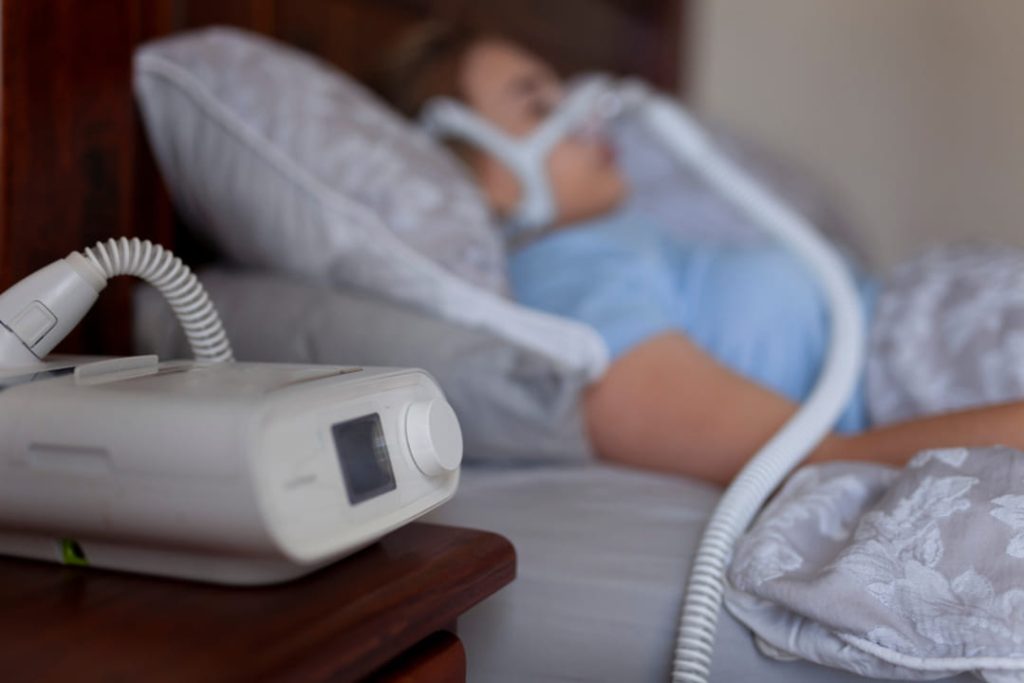
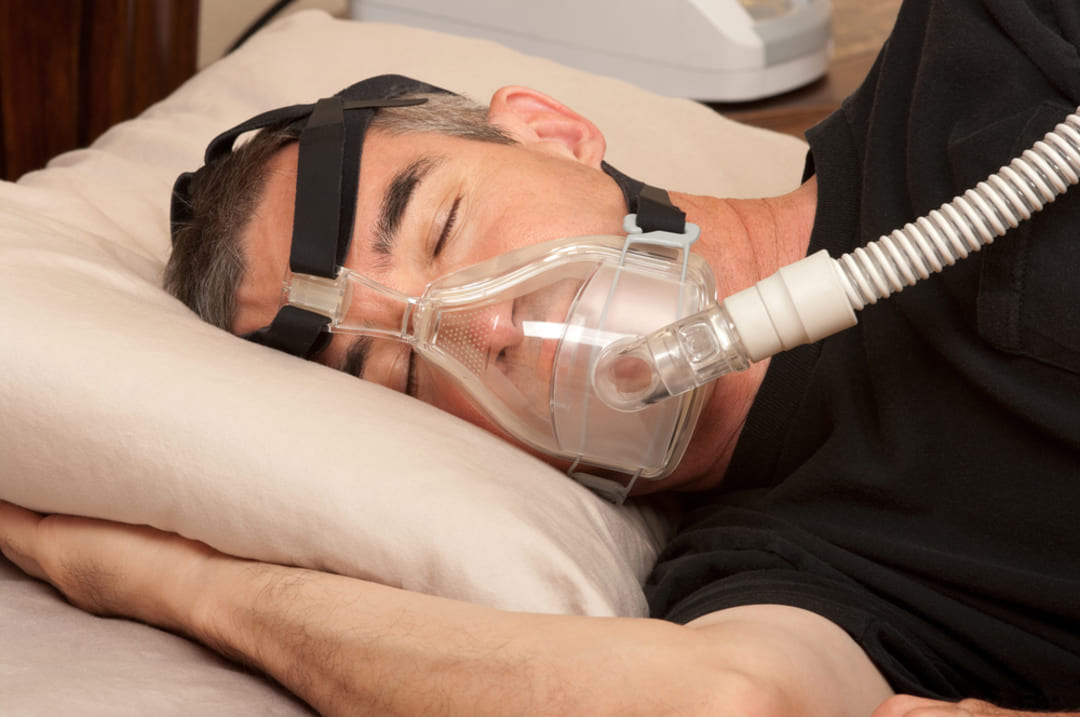
    • Continuous positive airway pressure (CPAP) machine 
    • Automatic airway pressure device (APAP) 
    • Bilevel-positive airway pressure device (BiPAP, also known as NIPPV or NIV) 
    • Nasopharyngeal appliances (Nasal dilators; nasopharyngeal stents) 
    • Oral appliances (mandibular advancement devices (MAD); tongue-retaining mouthpieces) 
    • Implanted genioglossal nerve stimulation devices 

    How Telemedica Can Support You in Obtaining Your Nexus Letter

    Understanding the need for a nexus letter for sleep apnea secondary to depression may strengthen your claim. The licensed, trusted professionals at Telemedica can provide you with a nexus letter, paving the way to the benefits you rightfully deserve.  

    Medical Evidence Wins VA Claims

    Did you know that a lack of medical evidence is the #1 reason VA disability claims are denied?  

    Medical evidence is a crucial piece of the puzzle that VA raters consider when reviewing a disability claim. Telemedica provides solutions for veterans looking to bolster their claims through high-quality medical evidence that wins claims.

    Schedule your FREE 20-minute consultation and learn how to get the supporting medical evidence you need to strengthen your claim.

  • How a Sleep Apnea DBQ Can Strengthen Your VA Claim 

    How a Sleep Apnea DBQ Can Strengthen Your VA Claim 

    If you’re a veteran living with sleep apnea, you already know how much it can interfere with your daily life. From memory lapses and fatigue to difficulty focusing on even simple tasks, the impact is constant.

    When it comes to your VA disability claim, though, knowing you have sleep apnea isn’t enough — you need strong medical evidence that speaks the VA’s language.

    That’s where the Sleep Apnea Disability Benefits Questionnaire (DBQ) comes in.

    Completed by a medical professional, a DBQ documents the severity of your condition in the exact format VA raters use to assign disability ratings.

    In this post, we’ll explain how the sleep apnea DBQ works, why it matters for your VA claim, and how combining it with a nexus letter may further strengthen your case for approval.

    Table of Contents

    Key Takeaways

    • The VA uses the Disability Benefits Questionnaire (DBQ) to evaluate the impact of service-connected disabilities on your daily life.
    • A sleep apnea DBQ can strengthen your VA disability claim by ensuring the severity of your condition is documented in the specific language needed for the VA’s rating process. 
    • DBQs are completed by medical professionals to streamline your VA disability claim process by ensuring that accurate, consistent, and relevant information is provided as part of your claim. 

    What is Sleep Apnea?

    Sleep Apnea DBQ.

    Sleep apnea is a sleep disorder involving irregular breathing that repeatedly stops and starts. If you snore loudly and experience insomnia (i.e., trouble staying asleep), hypersomnia (excessive daytime sleepiness), morning headaches, or other sleep apnea-related symptoms, you may suffer from sleep apnea. 

    Types of Sleep Apnea

    There are several types of sleep apnea, including:  

    1. Obstructive sleep apnea (OSA): The most common type, involving a physical obstruction, such as a large tongue or tonsils, or relaxation of the throat muscles, which blocks adequate airflow to the lungs. This type of sleep apnea is commonly linked with post-traumatic stress disorder (PTSD). 
    1. Central sleep apnea (CSA): Occurs when the brain does not send the correct signals to the muscles that control breathing when you are asleep. 
    1. Complex sleep apnea: May occur when you have a confirmed diagnosis of OSA — diagnosed with a sleep study — that changes to CSA when receiving treatment.  

    Prevalence in Veterans

    Studies in 2015 have shown that veterans, including those who served in Iraq and Afghanistan, have a high risk of developing sleep apnea. 

    What is a Sleep Apnea DBQ Form?

    The VA uses the Disability Benefits Questionnaire (DBQ) to document veterans’ medical conditions. Veterans can use the DBQ to submit medical evidence supporting their disability claims to the Department of Veterans Affairs (VA).  

    The VA uses a specific sleep apnea disability benefits questionnaire to evaluate the severity of sleep apnea symptoms, ensuring a comprehensive understanding of your condition. While the form is not mandatory, it can help to strengthen your sleep apnea VA disability claim.  

    How Does a Sleep Apnea DBQ Support a VA Claim?

    The standardized DBQ for sleep apnea provides detailed information that:  

    • Ensures the severity of your condition is documented in specific language the VA needs to see to accurately evaluate the severity of your symptoms 
    • Accurately assesses your diagnosis by using specific criteria (e.g., sleep study results, sleep apnea treatments, such as a positive airway pressure (CPAP) machine, and other specific criteria)  
    • Establish the impact of service-related disabilities on your daily life 

    DBQs are completed by medical professionals who help streamline your VA disability claim process by ensuring that accurate, consistent, and relevant information is provided as part of your claim.

    Having a completed DBQ may expedite the claims process by providing the missing link when it comes to a fully developed claim, written per VA regulation. 

    Where Do You Get a Sleep Apnea DBQ?

    Veterans aren’t required to submit a DBQ for sleep apnea. However, taking the extra steps to submit your DBQ form can benefit your claim by showing medical evidence the VA needs to establish your service connection and approve and help rate your disability compensation.  

    A healthcare provider completes the sleep apnea DBQ. If you choose a civilian physician, you must provide the VA Public DBQ form.   

    Who Can Write a DBQ for Sleep Apnea?

    There are several professionals who can write a DBQ for sleep apnea, including: 

    • VA healthcare providers  
    • VA contract examiners 
    • Private healthcare providers (e.g., Nurse practitioners, Physician Assistants, and medical doctors)  

    Before seeing your provider, be sure to print out the VA sleep apnea DBQ form or email it to their office for review and completion during your appointment. A valid DBQ form must include the provider’s signature and credentials.  

    Once completed, remember to review the form to ensure your personal information is accurate. Then, keep a copy for your own records and send the completed form to the VA as part of your disability claim.

    Sleep Apnea Ratings

    Sleep apnea VA disability ratings are 0%, 30%, 50% or 100%, depending on the severity of your symptoms and the requirement for breathing assistance.

    Related post: Upcoming VA Sleep Apnea Rating Changes

    Sleep Apnea Nexus Letters

    Sleep apnea affects thousands of veterans, but winning a VA claim for it takes more than just a diagnosis. The VA needs structured medical evidence to assign the correct rating and connect the condition to your service.

    A DBQ documents your symptoms and treatments. A nexus letter explains the service connection. Together, they form the strongest evidence package you can present—and they’re exactly what Telemedica provides.

    Don’t let your claim stall because of missing or weak medical evidence. Schedule your free 20-minute consultation today, and let our veteran-focused providers give you the medical evidence support you need to secure the benefits you’ve earned.

    Medical Evidence Wins VA Claims

    Did you know that a lack of medical evidence is the #1 reason VA disability claims are denied?  

    Medical evidence is a crucial piece of the puzzle that VA raters consider when reviewing a disability claim. Telemedica provides solutions for veterans looking to bolster their claims through high-quality medical evidence that wins claims! 

    Schedule your FREE 20-minute consultation and learn how to get the supporting medical evidence you need to strengthen your claim.

  • How to Talk About PTSD: A Veteran’s Guide 

    How to Talk About PTSD: A Veteran’s Guide 

    Post-traumatic stress disorder (PTSD) affects many veterans, frequently because of traumatic experiences encountered during their service.  

    However, talking about PTSD isn’t always easy, especially due to the stigma around mental health conditions.  

    The post is to help guide veterans with PTSD through essential conversations in a way that is respectful and supportive.

    Table of Contents

    HOW TO TALK ABOUT PTSD: VETERAN GUIDE

    Understanding PTSD

    Before you discuss PTSD with others, it’s important to understand it yourself. PTSD is a mental health problem that develops after you go through or see a life-threatening event.  

    It’s normal to have stress reactions to these events; however, most people start to feel better after a few weeks. If your symptoms last longer than a month and are causing problems in your life, it could be PTSD.  

    According to the VA, there are four types of PTSD symptoms: 

    • Reliving the event (also called re-experiencing symptoms) 
    • Avoiding reminders of the event 
    • Negative thoughts and feelings 
    • Feeling on edge or keyed up (also called hyperarousal) 

    See More: The Importance of Veteran Mental Health  

    How to Explain Your PTSD to Family Members

    Explaining your PTSD to family members can be a daunting task and you might worry about their reaction.  

    However, sharing your PTSD with your loved ones can lead to a greater understanding and support of your situation.  

    Ten tips for talking to your family about PTSD

    1. Prepare yourself emotionally and reflect on what you want to share.  
    1. Anticipate potential questions they might ask to help mentally prepare yourself.  
    1. Select a time and place where you can talk without interruptions.  
    1. Start by explaining what PTSD is. You can start with a simple definition: “PTSD is a mental health condition that’s triggered by a terrifying event — either experiencing it or witnessing it.” 
    1. Remind your loved ones that it’s not something you chose, and you can’t “just get over it.” 
    1. Share your personal experience and current symptoms. (Remember to share to the level you feel comfortable with.) 
    1. Discuss your triggers and coping mechanisms to help your family know how to support you better.  
    1. Offer resources to your family members about PTSD. 
    1. Don’t be afraid to set boundaries, while letting them know what support you need.  
    1. Consider seeking professional help together, as a therapist can provide valuable insights and help facilitate the discussion.  

    Remember, your journey with PTSD is unique, but sharing it with your family can help lighten the load and foster a sense of understanding and connection.  

    How to Talk About PTSD With Your Doctor

    Discussing PTSD with your doctor can be intimidating, but it’s an essential step to getting the help and support you need (and deserve!).  

    Taking some time to prepare beforehand and being honest and open, can help your doctor develop an effective treatment plan tailored to your needs.  

    Remember, seeking help is a sign of strength and can lead to meaningful and positive changes in your mental health.  

    Things to consider when speaking to speaking with your doctor are: 

    • Prepare before your appointment (i.e.: make a list of your symptoms and their severity, write down about any specific traumatic events, and what coping mechanisms you’ve tried) 
    • If possible, choose a doctor with experience with mental health issues. 
    • Be honest and open, while using direct and clear language to describe your feelings and behavior. 
    • Describe your symptoms in detail to help your doctor better understand the extent of your condition.  
    • Don’t hesitate to ask questions about PTSD, including potential treatment methods. 
    • Schedule regular follow-up appointments to monitor your progress and make necessary adjustments to your treatment plan.  
    • Consider a referral to a specialist, who may be better suited to help with PTSD.  

    Additional Resources: Recurring Therapy for Veterans with PTSD 

    Talking With Fellow Veterans About PTSD

    Talking to fellow veterans with similar experiences can be incredibly supportive and impactful. For example, you can join support groups that provide a safe space to share experiences and coping strategies.  

    A few tips for these conversations include: 

    • Be respectful and supportive while remembering that every veteran’s experience with PTSD is unique.  
    • Be mindful of triggers or certain topics that are sensitive to your fellow veteran.  
    • Share resources that have helped you with PTSD, including books, websites, or mental health professionals specializing in treating veterans  

    Connect with the Veterans Crisis Line

    You can confidentially connect with someone anytime day or night through the Veterans Crisis Line by: 

    • Dialing 988 and Selecting 1 
    • Starting a confidential chat online 
    • Texting 838255 

    The Veterans Crisis Line serves Veterans, service members, National Guard and Reserve members, and those who support them. 

    Note: You do not have to be enrolled in VA benefits or healthcare to connect.  

    Resource Guide: How to Help a Veteran in Crisis  

    PTSD AND VETERANS.

    Remember, You’re Not Weak

    It’s vital to remember that asking for help or admitting you are suffering, doesn’t mean you’re weak. The virtues of strength and bravery are highly valued in the military—and rightly so.  

    However, cultural prejudices and stereotypes have skewed those virtues into something they were never intended to be; a tough guy (or gal) who masks what’s happening inside. 

    The stigma surrounding mental health conditions is illogical and unproductive and could keep you from recognizing the extent of your condition and getting the help you need.

  • 7 Physical Symptoms of PTSD in Veterans  

    7 Physical Symptoms of PTSD in Veterans  

    Post-traumatic stress disorder (PTSD) is primarily known for its psychological, emotional, and mood symptoms, but it can have a significant impact on your life in other ways.   

    PTSD can lead to physical symptoms that affect daily life, from trouble sleeping and muscle tension to chronic pain and digestive issues.  

    Recognizing when physical signs of PTSD manifest will help ensure you receive the proper care and treatment.  

    This guide will cover seven physical symptoms of PTSD in veterans, treatment options, and why it’s essential to reach out to your doctor.

    Table of Contents

    PTSD and Physical Symptoms.

    PTSD in Veterans

    If you’ve witnessed or experienced a traumatic event, you’re at risk of developing PTSD. People with PTSD may experience angry outbursts, negative thoughts, avoidance symptoms, and are easily startled.  

    Research shows that at some point in their life, 7 out of 10 veterans will have PTSD. The number of veterans with PTSD varies by service era, with a significant number from Operations Iraqi Freedom (OIF) and Enduring Freedom (OEF). 

    Risk factors for PTSD include, but are not limited to: 

    • Deployment  
    • Traumatic brain injuries (TBI) 
    • Reintegration stress  
    • Lack of support system 
    • Physical and sexual abuse (i.e., Military sexual trauma) 
    • Childhood abuse 
    • Substance abuse 
    • Experiencing a natural disaster 

    While combat veterans may be more prone to experiencing PTSD, you don’t have to serve on the front lines to develop a mental illness.  

    How a Traumatic Event is Linked to Physical Health Problems

    PTSD is often much more than a mental health condition. Traumatic events have a lasting impact on more than just the mind; they can also profoundly affect physical health. 

    When you experience trauma, your body’s stress response kicks into overdrive, leading to physical symptoms that persist long after the initial event.  

    For veterans with PTSD, these symptoms are often amplified, affecting everything from heart health to immune function.  

    Research has shown that trauma can lead to conditions such as chronic pain, cardiovascular issues, digestive problems, and even compromised immunity. 

    Chronic Pain

    Many veterans with PTSD experience chronic pain, which can affect various parts of the body. Chronic pain occurs when you have pain in one or more areas of your body for at least three to six months.  

    When you are constantly in “fight or flight” mode, your muscles tense up, and you’re more prone to strain and injury, creating persistent pain over time.  

    Veterans with PTSD are more likely to report chronic pain, which can exacerbate other physical and mental health symptoms. 

    If you have chronic pain, it’s a great idea to keep a “pain diary,” where you can record patterns of pain, effective management techniques, and the effect it has on your daily life.  

    Examples of chronic pain include: 

    • Headaches 
    • Muscle Tension 
    • Joint Pain  
    • Back Pain  
    • Neck Pain 
    • Pelvic Pain 
    • Fibromyalgia 

    Chronic pain is treated in various ways, depending on your type of pain, the cause of your pain (if known), and your age and overall health. However, most chronic pain is treated with medication, lifestyle changes, or therapies.  

    Gastrointestinal Problems

    Gastrointestinal (GI) problems are common among veterans with PTSD because the digestive system is sensitive to stress and anxiety. Emotions cause chemical and physical responses in the body, frequently resulting in pain and discomfort.  

    For example, research shows that patients with irritable bowel syndrome (IBS) were found to have high rates of trauma history and PTSD.  

    Common GI problems include: 

    • Nausea 
    • Irritable Bowel Syndrome  
    • Acid Reflux  
    • Constipation 

    Most GI problems can be resolved with diet modifications, therapy, or medication. However, if you’re concerned about digestive system issues, following up with your doctor is vital. 

    Respiratory Symptoms

    A 2011 study shows that trauma exposure and PTSD are associated with self-reported asthma and chronic obstructive pulmonary disease.  

    The same study found that subjects with PTSD had significantly higher odds ratios for most asthma-related symptoms than subjects without PTSD. (If you have PTSD, you’re more than just a study, but statistics show you aren’t alone.) 

    Additional respiratory symptoms include: 

    • Shortness of Breath 
    • Rapid or Shallow Breath  
    • Hyperventilation  
    • Tightness in the Chest  
    • Coughing  

    If you have breathing problems, you must seek help immediately. Never wait to see what develops.  

    Cardiovascular Issues

    Veterans with PTSD have been reported to have an increased risk of hypertension, hyperlipidemia, obesity, and cardiovascular disease, likely due to interacting behavioral and physiological mechanisms.  

    When your body is under prolonged stress, it produces increased levels of adrenaline and cortisol, which raise blood pressure and strain the heart.  

    Veterans who have undergone stressful and traumatic situations often carry this physical stress into daily life, making cardiovascular health a significant concern.   

    PTSD can significantly impact your cardiovascular system, leading to symptoms like: 

    • Increased Heart Rate 
    • Hypertension (High Blood Pressure) 
    • Chest Pain  
    • Obesity  

    You must address cardiovascular issues because stress can significantly impact your heart.  

    Sleep Disturbances

    Many people have sleep troubles, but you’re more likely to develop sleep disturbances if you’ve been through a traumatic event.  

    The National Vietnam Veterans Readjustment Study found that 52% of combat veterans with PTSDexperienced significant nightmares.  

    Examples of sleep problems due to PTSD include: 

    • Chronic Insomnia 
    • Nightmares 
    • Sleep Apnea  
    • Restless Leg Syndrome 
    • Difficulty falling asleep  

    If you have PTSD and are concerned about sleep apnea, consider seeing your doctor if: 

    • Your partner/spouse complains about you snoring or notices you have pauses in breath during your sleep 
    • You wake up gasping or choking during the night 
    • You wake up tired even after a whole night’s sleep 
    • You struggle to stay awake during the day 

    Immune System Suppression

    Chronic stress can weaken the immune system, increasing your risk of autoimmune disease. You may also experience frequent colds, flu, or other infections due to a compromised immune system.  

    In addition, PTSD may increase inflammatory markers and reduce anti-inflammatory ones. 

    Examples of higher-level inflammatory markers include: 

    • C-reactive protein 
    • interleukin 6 
    • tumor necrosis factor-alpha 

    Regular check-ups and a balanced lifestyle are essential for reducing illness frequency and supporting long-term health. 

    Fatigue or Low Energy

    It’s common for veterans with PTSD to experience fatigue and low energy, affecting their quality of life. Symptoms may range from difficulty concentrating to feeling emotionally numb.   

    Chronic stress and poor sleep frequently lead to low energy levels and persistent fatigue, making daily life challenging.  

    Research shows that stress can lead to mental fatigue, affecting your ability to think, process and regulate emotions, and solve problems.  

    It’s important to note that fatigue isn’t just tiredness but a significant lack of energy that impacts all aspects of life.  

    Seeking Help for Physical PTSD Symptoms

    You should never ignore unexplained pain in your body. Most physical symptoms of PTSD are easily managed with a variety of effective treatments, including medication and therapy.  

    For example, the U.S. Food and Drug Administration(FDA) approved two selective serotonin reuptake inhibitors (SSRIs) to help treat PTSD symptoms. 

    By speaking with your doctor or a mental health professional, you can ensure effective management and treatment, leading to a better quality of life. 

    If you use VA medical services, you should ask your primary care provider to help make an appointment with a VA mental health provider. Contact the closest VA medical center or Vet Center if you’re not already using VA medical services. 

    If you’re unsure about the resources you need, don’t hesitate to call 877-222-8387 for assistance. They’re available Monday through Friday, 8:00 am – 8:00 pm EST.  

    Veterans Crisis Line

    If you need immediate assistance day or night, you can contact the Veterans Crisis Line by: 

    • Dialing 988 and selecting 1  
    • Texting 838255 

    Call 911 or go to the nearest emergency room for a medical emergency. You can also go to the nearest VA medical center, regardless of your discharge status or enrollment in VA healthcare.  

    Managing Physical Symptoms of PTSD

    Since everyone’s journey with PTSD is unique, the way you manage it also will be. Common ways to manage physical symptoms of PTSD include: 

    1. Medical Treatment 
    1. Mind-body Practices (i.e., yoga, tai chi, and meditation) 
    1. Physical Therapy 
    1. Lifestyle Changes (i.e., getting quality sleep, eating a balanced diet, exercising, etc.) 
    1. Support Groups and Peer Counseling  
    1. Cognitive Behavioral Therapy  
    1. Identifying PTSD Triggers  

    A 2023 study found that individuals with higher levels of physical activity have better mental health status after a traumatic event than those who don’t regularly engage in physical activity. 

    Remember to always consult your doctor about the best way to manage your PTSD.  

    VA PTSD Resources

    It’s never too late to receive help for PTSD, and getting help may prove vital to managing your symptoms.  

    The VA has over 200 PTSD treatment programs across the country that offer: 

    • 1-to-1 mental health assessment and testing to figure out if you have PTSD 
    • Medicine proven to work for treating PTSD 
    • 1-to-1 psychotherapy (also called talk therapy). This includes proven methods like Cognitive Processing Therapy (CPT). 
    • 1-to-1 family therapy 
    • Group therapy for special needs, like anger or stress management, or combat support 
    • Group therapy for Veterans who served in certain combat zones or who’ve been through similar traumas 

    The VA healthcare program covers VA PTSD resources. If you don’t have VA healthcare, you can apply here.   

    Note: You still have options if you don’t have VA healthcare. It’s best to contact a Vet Center near you who can help guide you in the right direction.  

    Conclusion

    Understanding that PTSD affects the mind and body is vital. You should never ignore physical symptoms, especially if they interfere with daily life. 

    Recognizing these symptoms is crucial for providing comprehensive care that addresses mental and physical health. 

    It’s not always easy admitting something is wrong. But remember, being vulnerable is being strong.  

    More Resources

    How to Help a Veteran in Crisis  

    Recurring Therapy for Veterans with PTSD  

    6 Ways to Cope with Mental Illness 

    The Importance of Veteran Mental Health 

    How to Help a Family Member with Family Illness

  • How a DBQ for Migraines Strengthens Your VA Claim

    How a DBQ for Migraines Strengthens Your VA Claim

    If you experience migraines due to your military service, you may be entitled to VA disability benefits.  

    A disability benefits questionnaire (DBQ) can help add validity to your VA claim by providing comprehensive medical evidence.  

    Migraines impair numerous aspects of a person’s daily life, so it’s essential you receive the care and compensation you rightfully deserve.  

    This post will cover the value of a DBQ for migraines, how to get one, who can write a DBQ, and more.

    Table of Contents

    Main Takeaways

    • A migraines DBQ aids in documenting your medical conditions and associated symptoms when applying for VA disability benefits.  
    • You can get a DBQ for migraines from a VA or private healthcare provider or a VA contract examiner.  
    • Veterans use the DBQ neuro headaches form to document the severity and frequency of their headaches, providing essential medical evidence for a VA disability claim. 
    • Veterans suffering from migraines need a current medical diagnosis to be eligible for VA disability benefits.  
    DBQ for Migraines.

    What is a Migraine DBQ?

    A Disability Benefits Questionnaire (DBQ) is a form the VA uses to document the medical conditions of veterans applying for disability benefits.  

    In the case of migraines, a specific DBQ is designed to inform the VA of the associated symptoms of your headaches, ensuring they have a comprehensive understanding of your condition.  

    These standardized forms are intended to provide detailed medical information required by the VA to assess the diagnosis, symptom severity, and impact of service-connected disabilities on your life.  

    Completed by a healthcare professional, DBQs help streamline the VA’s disability claims process by ensuring that all relevant information is provided accurately and consistently. 

    How to Get a DBQ for Migraines

    You aren’t required to submit a VA DBQ for migraines with your disability claim; however, it may help provide vital medical evidence needed to receive disability compensation and prove service connection.  

    You can get your DBQ completed during your C&P exam for migraines. During a compensation and pension (C&P) exam, an examiner will ask a series of questions to help determine the severity and frequency of your condition and whether it is service connected.  

    If you choose to have a civilian physician complete a VA DBQ, you provide them with a VA Public DBQ form.   

    While it is highly recommended to obtain a VA DBQ, it’s important to note that the VA won’t reimburse you for expenses related to an examination by your private doctor.  

    It’s essential to have a migraine headache diagnosis to ensure a direct service connection. 

    VA Migraine DBQ.

    Who Can Write a DBQ for Migraine Headaches?

    VA healthcare providers, VA contract examiners, or private healthcare providers can fill out DBQs for migraines. We have a team of licensed healthcare providers at Telemedica that are experienced in writing high-quality DBQs.  

    In addition, Nurse Practitioners (NPs), Physician Assistants (PAs), and Medical Doctors (MDs) can complete DBQ forms for veterans. However, the forms must be signed and include the provider’s credentials to ensure validity. 

    You must print out a VA DBQ form before visiting your doctor. They will review and complete it at your appointment.  

    Once completed, you’ll keep a copy for your records and send the completed form to the VA. It’s always best to review the form before mailing it to ensure the information is accurate. 

    VA DBQ for Migraines.

    VA Migraine DBQ Form

    The VA migraine DBQ form your healthcare provider will complete has questions regarding your condition to submit with your VA disability claim.  

    For example, there are multiple sections where your doctor can further explain your medical history, specific diagnoses, current prescription medications, and whether they reviewed your VA medical records.  

    In addition, the DBQ form has a section for migraine headache symptoms including, but not limited to: 

    • Constant head pain 
    • Sensitivity to light 
    • Changes in vision 
    • Vomiting  
    • Sensory changes  

    One of the final sections of the migraine DBQ allows the healthcare provider to specify where they believe your condition affects your ability to work. Finally, the doctor will sign the DBQ with their contact information.  

    Download Headaches DBQ   

    Migraines DBQ.

    Causes of Migraines in Veterans

    Migraines are a painful headache condition that can cause severe throbbing pain or a pulsing sensation, usually on one side of your head. 

    Migraine headaches can disrupt a veteran’s life, affecting more than half a million veterans.  

    Causes of migraine headaches in veterans include:  

    • Somatic symptom disorder  
    • Traumatic brain injury  
    • Post-traumatic stress disorder (PTSD) 
    • Toxin exposure 
    • Physical injuries 
    • Stress and sleep deprivation  

    It’s important to understand that migraines may lead to a secondary condition, which could entitle you to additional benefits and compensation. Ensure you have the appropriate medical evidence to provide a solid VA disability claim.

    DBQ Neuro Headaches.

    VA Disability Rating for Migraines

    The VA rates migraines at 0%, 10%, 30%, and 50% under 38 CFR 4.124a, DC 8100. 

    Your VA disability rating for migraine headaches will depend primarily on the frequency of attacks and the degree to which symptoms are “prostrating.”  

    A prostrating migraine involves extreme exhaustion, powerlessness, debilitation, or incapacitation with substantial inability to engage in ordinary activities. 

    For example, if you have migraines with persistent, completely prostrating, and prolonged attacks productive of severe economic inadaptability, you may qualify for a 50% VA rating. However, someone with less frequent attacks would be eligible for a lesser VA rating.  

    Medical Evidence Wins Claims

    If you are a veteran suffering from migraines, our team of licensed providers at Telemedica can help write a disability benefits questionnaire. 

    Migraine attacks may stop you in your tracks, but we’re here to help guide and educate you through the VA disability claims process. 

    We can connect you with a licensed provider who understands your unique needs through our secure, private, and convenient platform. Contact us today!