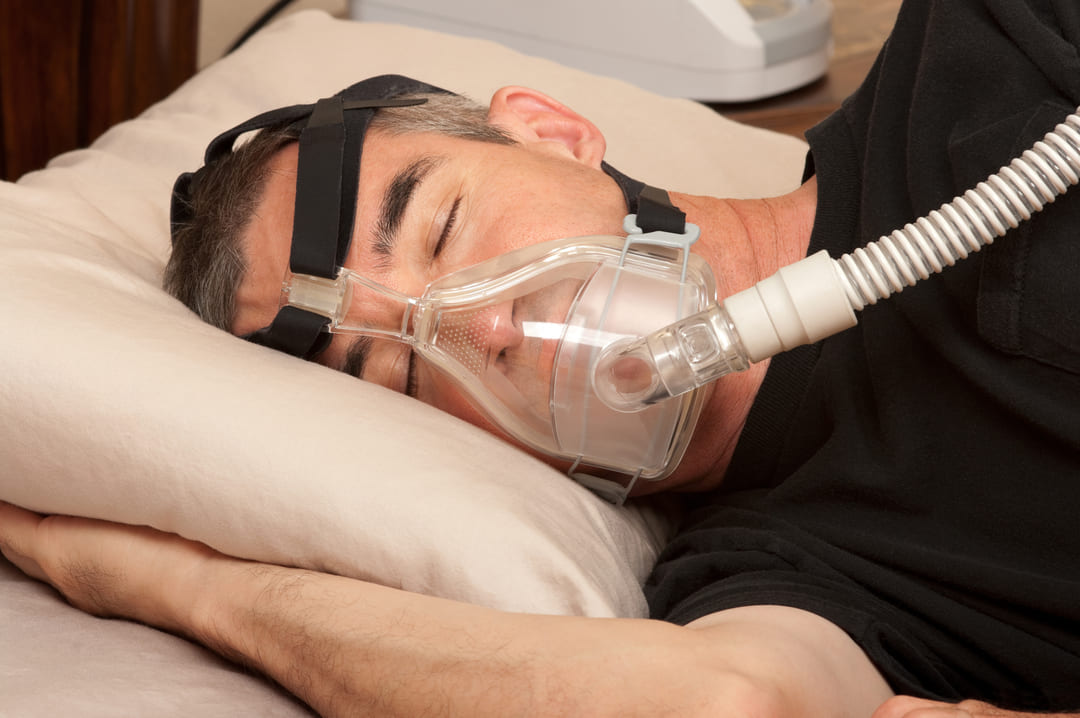
Was your sleep apnea VA disability claim denied?
Or maybe you’ve received multiple denied VA disability claims.
Do you need a medical professional to draft a sleep apnea nexus letter to help you establish a service connection to claim sleep apnea secondary to your PTSD?
Don’t worry. You’ve come to the right place.
In this post, we’ll uncover the significance of a nexus letter for sleep apnea secondary to PTSD.
Table of Contents
- Nexus Letter for Sleep Apnea Secondary to PTSD
- Sleep Apnea Secondary to PTSD: Nexus Letters
- Sleep Apnea Secondary to PTSD VA Disability Ratings
- Types of Sleep Apnea Secondary to PTSD
- VA Disability Nexus Letters for Secondary Conditions
- Nexus Letter for Sleep Apnea Secondary to PTSD (FAQs) Frequently Asked Questions
- Medical Evidence Wins VA Claims
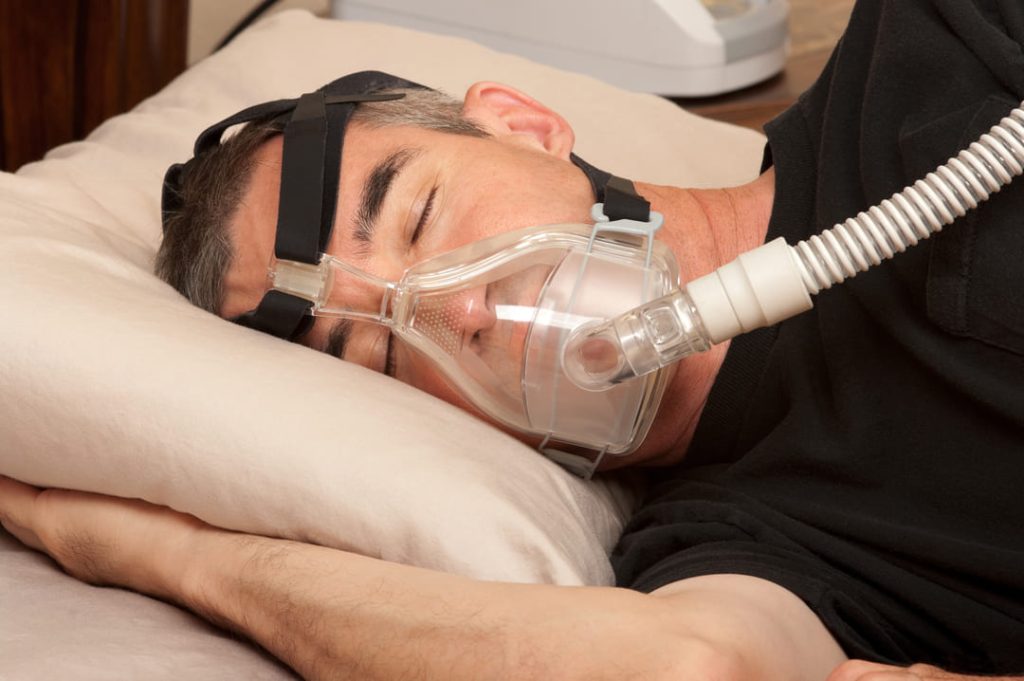
Nexus Letter for Sleep Apnea Secondary to PTSD
While the VA doesn’t require a nexus letter to submit a sleep apnea claim, a nexus letter can be an essential piece of evidence to help establish a service connection between rateable mental health conditions like Posttraumatic stress disorder (PTSD) and a sleep disorder like sleep apnea.
Note: The VA only accepts nexus letters written by licensed providers.
Winning a VA claim for sleep apnea secondary to PTSD will require a secondary service connection for sleep apnea.
Secondary Service Connections
As opposed to a direct service connection, a secondary service connection refers to when a service-connected disability causes another disability—also known as a secondary condition.
Service connection occurs when you can demonstrate, using medical evidence, lay statements, or military records, that an event, injury, or illness during your military service caused or aggravated your disability.
You can only receive VA disability benefits for sleep apnea if you can connect your sleep apnea to your military service.
A secondary service connection occurs when you can prove through similar evidence that an already service-connected disability caused or aggravated another disability.

Sleep Apnea Secondary to PTSD: Nexus Letters
Not all VA claims need a nexus letter to approve the claim and receive a VA rating.
The strength of your sleep apnea VA claim depends on how the evidence establishes a service connection between your documented sleep disorder (sleep apnea) and your PTSD symptoms.
Asking yourself these three questions can help you decide if you need a nexus letter for sleep apnea secondary to PTSD:
- Do you have a current sleep apnea diagnosis that was initially diagnosed while you were in service and is supported by medical evidence in your military medical records? If so, you may not need sleep apnea nexus letters to get VA benefits.
- Are you filing for sleep apnea as a secondary or previously denied claim based on not being service-connected? If yes, consider getting a nexus letter.
- Are you filing for a sleep apnea VA disability rating increase? If so, you don’t need a nexus letter since your claim was approved, and you currently have a sleep apnea rating (and receive VA disability benefits).
Sleep Apnea Secondary to PTSD VA Disability Ratings
The VA rates sleep apnea secondary to PTSD at 0%, 30%, 50%, or 100%, depending on the severity, frequency, and duration of symptoms.
The highest VA rating for sleep apnea secondary to PTSD is 100%.
Types of Sleep Apnea Secondary to PTSD
According to Mayo Clinic, there are three types of sleep apnea:
- Obstructive Sleep Apnea (OSA) is the most common type of sleep apnea and occurs when the throat muscles relax and block airflow to the lungs.
- Central Sleep Apnea (CSA) occurs when the brain fails to send the correct signals to the muscles that control breathing.
- Complex Sleep Apnea or Treatment-emergent central sleep apnea occurs when obstructive sleep apnea turns into central sleep apnea after receiving treatment.
Over time, sleep apnea can lead to a host of symptoms caused by sleep disturbances, such as:
- sleep deprivation
- chronic stress
- weight gain
- excessive daytime sleepiness, and
- overall poor sleep health

VA Disability Nexus Letters for Secondary Conditions
A nexus letter for a secondary condition is an evidence-based written document from a qualified medical provider stating that an already service-connected disability caused or aggravated another disability.
Nexus letters for secondary conditions should include the following:
- A discussion of supporting evidence. The provider should reference any medical or personal record they’ve reviewed that supports your sleep apnea claim.
- An evidence-based rationale. The provider must explain why they believe your service-connected disability caused or aggravated the sleep apnea disability you are now seeking benefits. Referencing a sleep study, sleep test, sleep medicine, CPAP machine, VA sleep lab, case laws, or research journals will help show their evidence-based opinion.
- A nexus opinion. The provider’s opinion that your disability was caused or aggravated by an already service-connected disability should be expressed in terms of likelihood.
To best adhere to VA guidelines concerning how the VA rates sleep apnea, nexus letters should use language like:- “Is due to” = 100% certain
- “More likely than not” = greater than 50% certain
- “At least as likely as not” = equal to 50% certain
- “Not likely due to” = less than 50% certain
- “Is not due to” = 0% chance
- List of credentials. The provider must sign and date the letter and list their title, specialty, and other credentials that emphasize their expertise.
Note: Preferably, the provider will use “is due to” or “more likely than not,” as these are the strongest. However, the strength of their opinion will depend on the evidence. a Nexus Letter must clearly detail how the current condition was caused by the original.

Nexus Letter for Sleep Apnea Secondary to PTSD (FAQs) Frequently Asked Questions
Is sleep apnea secondary to PTSD a VA disability?
Yes, frequently, veterans can get service connected for sleep apnea secondary to PTSD.
However, it’s crucial to note PTSD doesn’t cause sleep apnea. Instead, many veterans can prove PTSD aggravates their sleep apnea.
How do I get a VA nexus letter for sleep apnea secondary to PTSD?
You can receive a sleep apnea secondary to PTSD nexus letter from a licensed medical professional, including one of our Telehealth professionals at Telemedicia.
We specialize in nexus letters for:
- Direct Service Connections
- Secondary Service Connections
- Presumptive Service Connections
A nexus letter with a high probative value can make your statement stronger.
Do I need a DBQ for sleep apnea secondary to PTSD?
A DBQ isn’t required for service-connecting sleep apnea secondary to PTSD; however, it may help secure your claim. Adding a DBQ to your claim makes it a fully developed claim and may benefit you in two ways. It may help streamline your claim through the review and decision process, and it may allow the VA rater to decide the case without sending you to a C&P exam.
As with other secondary conditions to PTSD, the more relevant, strong evidence you provide, the better your chances are of winning your VA disability claim.
Medical Evidence Wins VA Claims
Whether you need a Nexus Letter for sleep apnea secondary to PTSD or something else, we make it EASY for veterans to connect with a licensed provider through our HIPAA-compliant telemedicine platform—anytime, anywhere!
From DBQs and Nexus Letters to Psych Evals and Telemedicine Evaluations, the Telemedica team is standing by to serve you. Get the evidence you need to win your VA claim today.