VA secondary conditions to sinusitis can affect more than just your sinuses and may increase your VA disability compensation.
Knowing which conditions qualify, how the VA rates them, and what evidence you need can prevent denials and strengthen your claim.
In this guide, we examine five secondary conditions to sinusitis, how the VA evaluates them, and how a nexus letter can improve your chances of approval.
Key Takeaways
- A sinusitis VA rating can increase when the condition leads to additional, separately rated secondary disabilities.
- Secondary conditions must have their own current diagnoses, distinct symptoms, and clear medical evidence linking them to sinusitis.
- Well-documented medical records and a strong nexus letter are often key for approval.
Table of Contents
- Key Takeaways
- Understanding Secondary Conditions to Sinusitis
- 5 VA Secondary Conditions to Sinusitis
- Establishing Secondary Service Connection
- Nexus Letter for Sinusitis Secondary Conditions
- How to File a VA Claim for Secondary Conditions
- Medical Evidence Wins VA Claims
- FAQs | Frequently Asked Questions
Understanding Secondary Conditions to Sinusitis
Secondary conditions develop because of or are made worse by an existing service-connected condition.
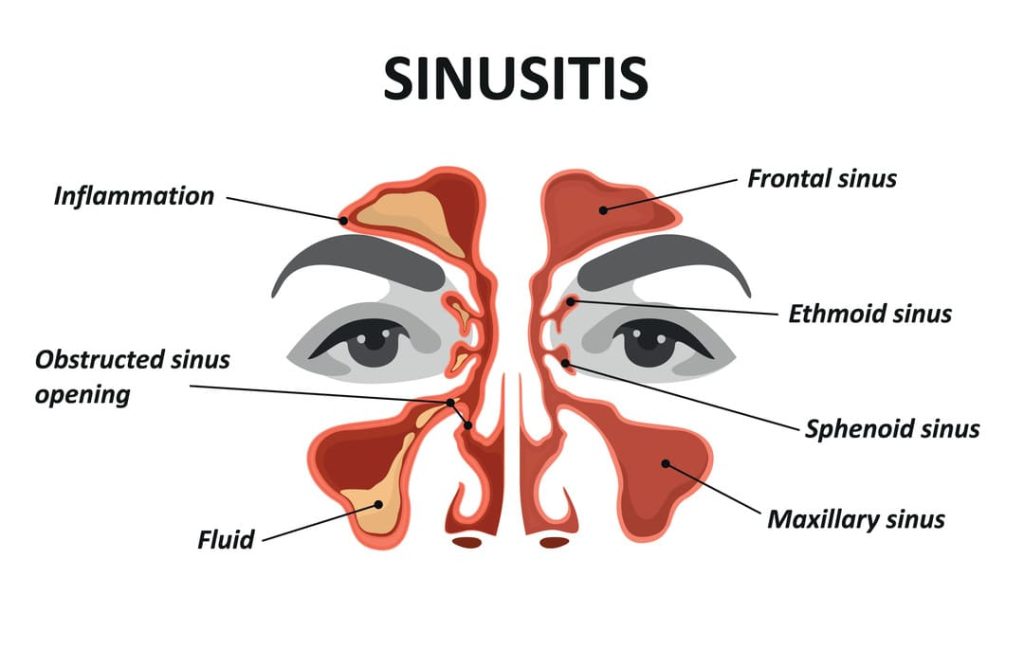
With sinusitis, ongoing inflammation, congestion, and drainage can affect nearby airways and systems, leading to additional medical conditions over time.
You can receive separate ratings for sinusitis and its secondary conditions if each condition has distinct symptoms not already compensated under your sinusitis VA rating (to avoid pyramiding under 38 CFR § 4.14).
>> View Our Main Guide on Sinusitis VA Ratings
5 VA Secondary Conditions to Sinusitis

Allergic Rhinitis
Chronic sinusitis often causes ongoing inflammation in the nasal passages, which can worsen allergic rhinitis and even lead to the development of nasal polyps.
Persistent congestion, swelling, and post-nasal drip from sinusitis can aggravate allergy symptoms and make them more difficult to manage.
The VA rates allergic rhinitis secondary to sinusitis under DC 6522 at 10% or 30%, with 30% assigned when nasal polyps are present.
>> Rhinitis VA Rating Guide for Veterans
Chronic Laryngitis
Sinusitis can cause mucus to drain into your throat and irritate the larynx, leading to chronic laryngitis.
Chronic laryngitis involves ongoing hoarseness, throat irritation, or cough lasting longer than a few weeks and may be eligible for VA disability benefits when linked to service-connected sinusitis.
The VA rates chronic laryngitis secondary to sinusitis under DC 6516, with potential ratings of 10% or 30%, depending on the severity of hoarseness and the presence of structural changes in the larynx.
Note: A 100% rating is possible after a laryngectomy, though this is typically performed for cancer rather than sinusitis.
Migraines
Sinus pressure, congestion, and inflammation can lead to recurring headaches or aggravate existing migraines.
The VA grants ratings for migraines secondary to sinusitis, but strong medical evidence is required.
You must show that your migraines are triggered or worsened by sinus-related pressure and pain. Regular medical visits and clear documentation of headache episodes are essential.
The VA rates migraines secondary to sinusitis under DC 8100, based on the frequency and severity of attacks and the degree to which symptoms are prostrating, with potential ratings of 0%, 10%, 30%, or 50%.
>> Migraine VA Ratings and Service Connection Explained
Sleep Apnea
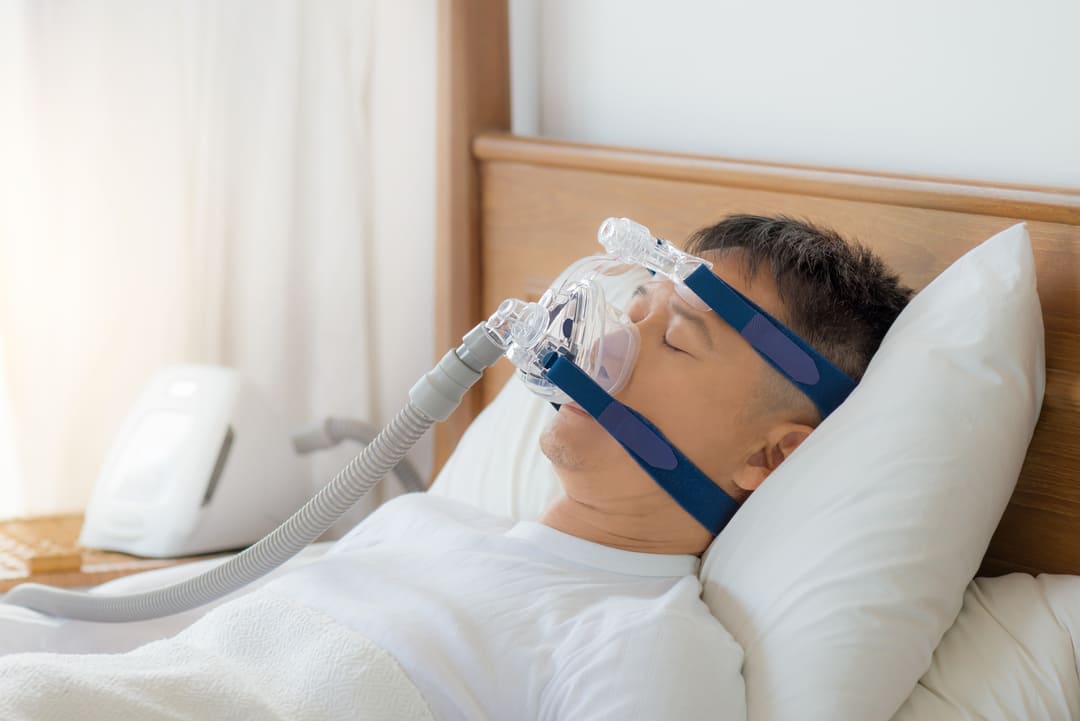
Chronic sinusitis can increase the risk of sleep apnea. Sinus inflammation and congestion can block the airway, making nighttime breathing more difficult and leading to apnea episodes.
Common symptoms include loud snoring, pauses in breathing, waking up gasping, daytime fatigue, morning headaches, and mood changes.
To establish sleep apnea as a secondary condition, your records should show that sinusitis came first and that your apnea worsens during sinusitis flare-ups.
The VA rates sleep apnea secondary to sinusitis under DC 6847 based on the severity of the condition and the need for breathing support, with potential ratings of 0%, 30%, 50%, or 100%.
>> Sleep Apnea VA Ratings Explained
Chronic Bronchitis
Sinusitis can inflame the lower airways and lead to chronic bronchitis, causing ongoing cough, mucus, wheezing, and shortness of breath.
VA benefits require a current diagnosis of chronic bronchitis confirmed by pulmonary function testing.
The VA rates chronic bronchitis secondary to sinusitis under DC 6600 based on pulmonary function and the presence of complications, with potential ratings of 10%, 30%, 60%, or 100%.
Establishing Secondary Service Connection
To establish service connection for secondary conditions to sinusitis, you’ll need:
- A current diagnosis – Medical documentation of your secondary condition from a qualified licensed provider.
- A medical nexus – Evidence (e.g., a credible nexus letter) showing that your secondary condition was caused or aggravated by your service-connected sinusitis.
Nexus Letter for Sinusitis Secondary Conditions
A nexus letter for secondary conditions is strongly recommended. While it’s not required, it frequently is the key factor between approval and denial.
To prove secondary service connection, you must show your disability is “proximately due to” or “aggravated by” another service-connected condition.
A detailed nexus letter from an independent medical provider is highly effective in demonstrating this link.
How to File a VA Claim for Secondary Conditions
You can file a VA claim for secondary conditions to sinusitis in one of the following ways:
- By mail
- Via fax
- In person at a VA regional office
Note: If you don’t file online, you’ll need to download and complete VA Form 21-526EZ.
Medical Evidence Wins VA Claims
Did you know that a lack of medical evidence is the #1 reason VA disability claims are denied?
Medical evidence is a crucial piece of the puzzle that VA raters consider when reviewing a disability claim. Telemedica provides solutions for veterans looking to bolster their claims through high-quality medical evidence that wins claims!
Schedule your 20-minute consultation, get answers for your service-connected disability, and start on your path to well-being.
FAQs | Frequently Asked Questions
What is the sinusitis VA rating?
Chronic sinusitis VA ratings range from 0% to 50% based on the frequency of incapacitating episodes and severity of symptoms. While the VA uses five diagnostic codes (DC 6510–6514) depending on which sinus cavities are affected, all sinusitis claims are evaluated using the same rating criteria.
What can you claim secondary to sinusitis?
The VA may grant secondary service connection for conditions caused or aggravated by service-connected sinusitis, including allergic rhinitis, chronic laryngitis, migraines, sleep apnea, and chronic bronchitis. Each condition must be medically linked to sinusitis and produce symptoms separate from those already rated under your sinusitis VA rating.
Do secondary conditions increase my overall VA rating?
Yes. If service connection is granted, secondary conditions are rated separately and combined with your sinusitis rating using VA math, which may increase your total combined VA disability rating percentage.
Do I need a nexus letter for sinusitis secondary conditions?
A nexus letter is strongly recommended, but not required. Secondary VA claims often hinge on medical causation, and a detailed nexus letter can clearly explain how your service-connected sinusitis caused or aggravated the secondary condition. Learn ‘When you need a nexus letter for a VA claim’
Can I claim multiple secondary conditions at once?
Yes. If several conditions are caused or aggravated by your service-connected sinusitis, you can file claims for each. The VA will evaluate each condition separately and combine the ratings into your total (combined) VA disability rating.