Tag: nexus letter for secondary conditions

  • 10 VA Secondary Conditions to Radiculopathy

    10 VA Secondary Conditions to Radiculopathy

    Radiculopathy can have far-reaching effects beyond nerve pain, often leading to a variety of secondary health conditions that impact your daily life and overall well-being.  

    These VA secondary conditions to radiculopathy can include musculoskeletal issues, chronic pain syndromes, sleep disturbances, and even mental health challenges. 

    This post covers 10 secondary conditions to radiculopathy, explains VA ratings, key elements for establishing secondary service connection, and how to file a claim.

    Key Takeaways

    • Secondary conditions to radiculopathy can develop when chronic nerve pain and limited mobility lead to additional health issues, such as muscle weakness, joint degeneration, or mental health challenges like anxiety and depression. 
    • To prove secondary service connection for a condition related to radiculopathy, you need a current diagnosis and medical evidence showing it was caused or aggravated by your service-connected radiculopathy. 
    • A nexus letter, while not required, is often essential to show that a secondary condition is “proximately due to” or aggravated by a service-connected disability.

    Table of Contents

    How the VA Rates Radiculopathy

    VA Secondary Conditions to Radiculopathy.

    The VA rates radiculopathy under the Schedule of Ratings for Neurological Conditions and Convulsive Disorders, using diagnostic codes 8510– 8730.  

    Ratings range from 0% to 80%, depending on symptom severity and the degree of paralysis. 

    10 VA Secondary Conditions to Radiculopathy

    Mental Health Conditions

    Chronic nerve pain from radiculopathy can take a significant toll on mental health. Constant discomfort, limited mobility, and the inability to perform everyday tasks can lead to mental health conditions, such as depression or anxiety.  

    These mental health conditions often develop as veterans struggle to manage the emotional and physical challenges of long-term pain. 

    The VA rates mental health conditions under the General Rating Formula for Mental Disorders. Ratings range from 0% to 100%, based on the level of social and occupational impairment. 

    Sleep Disturbances

    For many veterans, chronic nerve pain from radiculopathy makes getting quality sleep nearly impossible.  

    The discomfort often intensifies at night or when lying down, leading to insomnia, fatigue, and worsening pain over time. 

    The VA typically rates sleep disturbances based on the primary condition causing the disturbance.  

    For example, if it’s associated with a mental health condition, it would be rated under the General Rating Formula for Mental Disorders. 

    Chronic Pain Syndrome

    Radiculopathy causes constant, debilitating pain in affected areas, leading to chronic pain syndrome (CPS), sometimes associated with Somatic Symptom Disorder. 

    This secondary condition arises when the body’s pain receptors remain activated over long periods, creating a cycle of continuous pain.  

    CPS can affect your physical and emotional health, leading to sleep disturbances, irritability, and fatigue, requiring both pain management and psychological support. 

    The VA rates somatic symptom disorder under the General Rating Formula for Mental Disorders, using DC 9421.

    Fibromyalgia

    Fibromyalgia is a chronic pain disorder that can develop secondary to radiculopathy.  

    When nerve damage from radiculopathy increases the body’s pain sensitivity, it may trigger fibromyalgia symptoms such as widespread muscle pain, fatigue, sleep problems, and cognitive difficulties. 

    The VA rates fibromyalgia secondary to radiculopathy under DC 5025, with possible ratings of 10%, 20%, or 40%, depending on the severity and persistence of symptoms like chronic pain, exhaustion, and sleep disturbance. 

    Arthritis

    Chronic nerve pain and altered movement patterns from radiculopathy can gradually wear down the joints, leading to arthritis as a secondary condition. 

    When the body compensates for nerve-related weakness, numbness, or pain, it can place abnormal stress on certain joints.  

    Over time, this uneven pressure accelerates joint inflammation and degeneration, increasing the likelihood of developing arthritis in areas affected by compensatory movement. 

    The VA rates arthritis secondary to radiculopathy under various diagnostic codes, including 5002 and 5003.

    Muscle Atrophy

    When radiculopathy causes nerve compression or damage, it can lead to muscle weakness and atrophy in the affected limbs.  

    Over time, the lack of proper nerve signals causes muscles to shrink and lose strength, making it difficult for veterans to perform everyday activities. 

    The VA doesn’t rate muscle atrophy separately, as it is already considered part of the radiculopathy evaluation under the Schedule of Ratings for Peripheral Nerves (38 CFR § 4.124a).  

    However, documented atrophy can support a higher rating for radiculopathy if it shows more severe nerve impairment. 

    Foot Drop

    Foot drop happens when nerve damage from radiculopathy weakens or paralyzes the muscles that lift the front of the foot.  

    This can make walking difficult and increase the risk of tripping or falling, as veterans often have trouble raising their foot with each step. 

    The VA rates foot drop secondary to radiculopathy under DC 8521, with disability ratings ranging from 10% to 40%.  

    Higher ratings are given when symptoms include complete paralysis of the muscles controlling foot movement, significant weakness, or severe walking difficulties that limit mobility and daily function. 

    Gait Abnormalities

    Lower spine radiculopathy can lead to gait abnormalities as nerve damage affects balance and walking mechanics.  

    Leg weakness, stiffness, and uneven stride can cause abnormal walking patterns, which may worsen other musculoskeletal issues. 

    While the VA doesn’t assign a separate rating for gait abnormalities, they can be considered when evaluating related service-connected conditions.  

    For example, you may receive additional compensation if gait issues, such as a limp, are linked to your radiculopathy and result in further complications in the legs, feet, or back. 

    Bladder and Bowel Dysfunction

    Lumbar or sacral radiculopathy can affect the nerves controlling the bladder and bowels, leading to incontinence, constipation, or difficulty emptying the bladder or bowels.  

    This makes bladder and bowel dysfunction a serious secondary condition that often requires ongoing medical management. 

    The VA rates these conditions under DC 7542 (Neurogenic Bladder) and DC 7332 (Rectum and Anus, Impairment of Sphincter Control). 

    Sexual Dysfunction

    In more advanced cases of radiculopathy, particularly in the lower spine, nerve compression can affect the nerves that control sexual function.  

    This can cause erectile dysfunction in men or reduced arousal in women, as pelvic nerve damage from lower spine issues can disrupt intimacy and overall quality of life. 

    The VA typically assigns a 0% rating for erectile dysfunction (ED) or female sexual arousal disorder (FSAD) unless there’s a penile deformity with loss of function.  

    However, even without a compensable rating, you may still be eligible for Special Monthly Compensation (SMC) for the loss of use of a creative organ. 

    How to Establish Secondary Service Connection

    To prove service connection for secondary conditions to radiculopathy, you’ll need:  

    • A current diagnosis – Medical documentation of your secondary condition from a qualified licensed provider.  
    • A medical nexus – Evidence (e.g., a credible nexus letter) showing that your secondary condition was caused or aggravated by your service-connected radiculopathy.

    Nexus Letter for Secondary Conditions

    A nexus letter for secondary conditions is strongly recommended. While it’s not required, it frequently is the key factor between approval and denial.  

    To prove secondary service connection, you must show your disability is “proximately due to” or “aggravated by” another service-connected condition. 

    A detailed nexus letter from an independent medical provider is often the most effective way to demonstrate this link.

    Filing a VA Claim for Secondary Conditions

    To be eligible for a VA rating for secondary conditions to radiculopathy, you must file a VA claim. 

    You can file a VA claim using VA Form 21-526EZ: 

    • By mail   
    • Via fax 

    Medical Evidence Wins VA Claims

    Did you know that a lack of medical evidence is the #1 reason VA disability claims are denied? 

    Medical evidence is a crucial piece of the puzzle that VA raters consider when reviewing a disability claim. Telemedica provides solutions for veterans looking to bolster their claims through high-quality medical evidence that wins claims! 

    Schedule your 20-minute consultation call and learn how to get the supporting medical evidence you need to strengthen your claim. 


    FAQs | Frequently Asked Questions

    What is the VA rating for radiculopathy?

    The VA rates radiculopathy under diagnostic codes 8520, 8620, or 8720 in the Schedule of Ratings for Neurological Conditions and Convulsive Disorders, with ratings from 0% to 80% based on symptom severity and degree of paralysis. 

    How does radiculopathy cause secondary conditions?

    Many veterans develop radiculopathy secondary conditions because chronic nerve irritation and impaired movement can strain other parts of the body over time, often leading to joint degeneration, muscle weakness, and disrupted sleep. 

    Do I need a nexus letter for secondary conditions?

    While not required, a nexus letter from a qualified licensed medical provider is often essential to demonstrate the connection between your radiculopathy and the secondary condition. 

    Can secondary conditions increase my overall VA rating?

    Yes. If your secondary condition is service-connected and rated, it can increase your total combined disability rating, potentially leading to higher benefits. >>View VA Disability Calculator 

    Can I claim multiple secondary conditions at once?

    If several conditions are caused or aggravated by your service-connected radiculopathy, you can file claims for each. The VA will evaluate each condition separately and combine the ratings into your total disability percentage. 

    How long does it take to get a secondary condition approved?

    Approval times vary, but secondary VA claims can take several months. Submitting thorough medical evidence and a nexus letter may speed up the process. You can always check the status of your VA claim through VA.gov. 


  • How a Nexus Letter for Depression Secondary to Tinnitus Can Strengthen Your VA Claim

    How a Nexus Letter for Depression Secondary to Tinnitus Can Strengthen Your VA Claim

    A nexus letter for depression secondary to tinnitus is powerful evidence when applying for VA benefits. 

    Tinnitus is one of the most common service-connected conditions, and while many think of it as “just ringing in the ears,” research shows it can have a serious impact on mental health.  

    For some, the constant noise leads to anxiety, irritability, and trouble focusing, which may develop into or worsen depression. 

    In this blog, we’ll cover the role of a nexus letter, how the VA rates depression secondary to tinnitus, how to obtain and submit your letter, and why strong medical evidence is crucial, especially for secondary service connection. 

    Key Takeaways

    • Tinnitus can lead to depression by causing stress, poor sleep, and reduced quality of life that gradually wears down your mental health. 
    • The VA rating for depression secondary to tinnitus depends on the severity of the symptoms and how much they impair daily life, including work, social activities, and overall functioning. 
    • A nexus letter for depression secondary to tinnitus provides a professional medical opinion linking your depression directly to your service-connected tinnitus.

    Table of Contents

    Nexus Letter for Depression Secondary to Tinnitus

    Nexus Letter for Depression Secondary to Tinnitus.

    If you’re filing a VA disability claim for depression secondary to tinnitus, a strong nexus letter can significantly strengthen your case. 

    A nexus letter links your service-connected tinnitus to the onset or worsening of depression, providing a healthcare provider’s professional opinion and medical rationale to your claim. 

    While the VA doesn’t require nexus letters, they are often crucial for secondary conditions, denied claims, or cases with limited medical evidence. 

    A strong nexus letter should:  

    • Clearly state your current diagnosis  
    • Explain how your condition is linked to military service (direct, secondary, or aggravated connection)  
    • Utilize medical evidence, research, and rationale to support the provider’s opinion  
    • Include the doctor’s credentials and signature 

    >>View Our Main Guide on Nexus Letters for Secondary Conditions

    Many people consider tinnitus solely an ear condition, but it also has a significant impact on mental health. 

    A 2019 systematic review showed that about 33% of people with tinnitus also have depression.  

    The constant ringing or buzzing in the ears can cause distress and impairment in quality of life, which makes depression more likely.  

    As a result, doctors are encouraged to screen patients with tinnitus for signs of depression. 

    Learn More: Why & How to Get Evaluated for Depression 

    How the VA Rates Depression Secondary to Tinnitus

    The VA rates depression secondary to tinnitus under the General Rating Formula for Mental Disorders.  

    You may receive a VA rating for depression under one of the following diagnostic codes (DC): 

    • DC 9433: Persistent Depressive Disorder (Dysthymia) 
    • DC 9434: Major Depressive Disorder 
    • DC 9435: Unspecified Depressive Disorder 

    The VA rates depression secondary to tinnitus based on your level of occupational and social impairment, with potential ratings of 0%, 10%, 30%, 50%, 70%, or 100%. 

    >>View Our Main Guide on Qualifying for a VA Rating for Depression 

    Establishing Service Connection

    You must prove service connection when filing a VA disability claim for depression secondary to tinnitus. 

    Service connection requires: 

    • A current medical diagnosis of depression AND 
    • A current service-connected primary disability (Tinnitus) AND 
    • Medical nexus evidence establishing a connection between the service-connected primary condition (Tinnitus) AND the secondary condition (Depression) you’re claiming.

    How to Submit a Nexus Letter to the VA

    After you obtain your nexus letter, include it with your VA claim or appeal.  

    While it can be submitted at any point, it’s best to provide it with your initial claim, Supplemental Claim, or Board Appeal. 

    Submission options: 

    • Upload it to your VA.gov account under your disability claim. 

    Proper submission is essential for the VA to consider it during the review and to secure the benefits you deserve. 

    Did you know? Working with a VA-accredited representative can ensure your nexus letter is submitted correctly. 

    Medical Evidence Wins VA Claims

    Did you know that a lack of medical evidence is the #1 reason VA disability claims are denied?  

    Medical evidence is a crucial piece of the puzzle that VA raters consider when reviewing a disability claim. Telemedica provides solutions for veterans looking to bolster their claims through high-quality medical evidence that wins claims!  

    Schedule your 20-minute consultation call and learn how to get the supporting medical evidence you need to strengthen your claim.

    Conclusion

    Depression secondary to tinnitus is a serious condition that can impact nearly every part of your life.  

    If you’re struggling, know that you may qualify for VA disability benefits, and that proper medical evidence, including a strong nexus letter, can make a significant difference in your claim.  

    Don’t wait to take action, both for your mental health and for the benefits you rightfully deserve.


    (FAQs) Frequently Asked Questions

    What is a nexus letter for depression secondary to tinnitus?

    A nexus letter for depression secondary to tinnitus is a medical document written by a qualified healthcare provider. It explains the connection between your service-connected tinnitus and your depression, giving medical reasoning for why your depression developed or worsened because of the constant ringing in your ears. 

    Can you get VA disability for depression secondary to tinnitus?

    Yes. If you have a current medical diagnosis of depression, a service-connected tinnitus rating, and evidence linking the two conditions, you may qualify for VA disability benefits for depression secondary to tinnitus. Your rating will depend on how severe your depression symptoms are and how much they affect your work and daily life, including the level of social and occupational impairment. 

    How does tinnitus cause depression?

    Tinnitus can cause depression because the constant ringing or buzzing in the ears often disrupts sleep, concentration, and overall quality of life. Over time, this ongoing stress and frustration can lead to feelings of hopelessness, sadness, and social withdrawal, which are common signs of depression. Related Post: Top 4 Secondary Conditions to Tinnitus 

    How do you prove depression secondary to tinnitus?

    You’ll need three key pieces of evidence: a current diagnosis of depression, primary service-connected tinnitus, and a medical nexus linking the two conditions. Although not required by the VA, it is highly recommended to obtain a nexus letter for secondary service connection.

    Do I need a C&P exam for depression secondary to tinnitus? 

    Most likely, yes. The VA will usually schedule a compensation and pension (C&P) exam to evaluate the severity of your depression and its link to tinnitus before deciding on your claim. Learn More: How Much Weight Does a C&P Exam Have? 


  • Top 4 Secondary Conditions to Tinnitus 

    Top 4 Secondary Conditions to Tinnitus 

    Tinnitus can significantly affect daily life, but the side effects are more pronounced when coupled with a secondary condition.   

    There are several secondary conditions to tinnitus, and understanding your eligibility may increase your monthly VA benefits.  

    This guide will cover the top four secondary conditions to tinnitus. We’ll explain more about VA secondary conditions, how the VA rates secondary conditions to tinnitus, how to service-connect your condition, and how to file a VA claim.  

    Table of Contents

    Secondary Conditions to Tinnitus.

    Understanding VA Secondary Conditions

    Tinnitus is considered a low-value claim because the highest VA rating is 10%. However, if your service-connected tinnitus leads to a secondary condition, you may be entitled to a higher VA rating. 

    For example, if you’re service-connected for tinnitus, and your tinnitus causes another VA-ratable condition, you may qualify for a VA rating for your secondary condition (e.g., insomnia). 

    (In addition, tinnitus can be a secondary condition if it is caused by another primary service-connected condition).  

    VA Secondary Conditions to Tinnitus.

    4 VA Secondary Conditions to Tinnitus

    1. Insomnia  
    1. Migraines 
    1. Depression 
    1. Somatic Symptom Disorder  

    Insomnia Secondary to Tinnitus

    Insomnia is a sleep disorder characterized by the inability to fall asleep, stay asleep, or both.  

    A 2021 study found that insomnia occurs in 10%-80% of tinnitus patients, with most reports noting over a 40% frequency.  

    For example, you may notice the ringing in your ears more at night and, therefore, have difficulty sleeping. 

    VA Ratings for Insomnia Secondary to Tinnitus

    The VA rates insomnia at 10%, 30%, 50%, 70%, and 100%, under CFR Title 38, Part Schedule for Rating Disabilities, Diagnostic Codes (DC) for Mental Disorders.   

    Migraines Secondary to Tinnitus

    Tinnitus is frequently linked to several types of headache disorders, including migraines.  

    According to The American Migraine Foundation, patients report their tinnitus symptoms worsen only when having a migraine.  

    VA Ratings for Migraines Secondary to Tinnitus

    VA ratings for migraines secondary to tinnitus range from 0% to 50%, with breaks at 10% and 30%.  

    Nexus Letter for Migraines Secondary to Tinnitus

    A nexus letter for migraines secondary to tinnitus may help strengthen your VA claim by providing a clear link between your two conditions. A nexus letter is a document written by a medical professional that explains the relationship between your service-connected tinnitus and the secondary condition you’re claiming. 

    Depression Secondary to Tinnitus

    Research shows a direct link between depression and veterans suffering from tinnitus, primarily due to the distress and impairment across cognitive, functional, and psychiatric spectra.  

    In addition, veterans with tinnitus are also at a greater risk for additional mental health disorders, including anxiety.  

    Symptoms of depression include, but are not limited to: 

    • Feeling sad or hopeless nearly every day 
    • Losing interest in daily activities 
    • Not sleeping enough  
    • Losing or gaining weight 
    • Feeling unworthy or guilty  
    • Irritability 

    VA Ratings for Depression Secondary to Tinnitus

    Depression secondary to tinnitus can be rated at 0%, 10%, 30%, 50%, 70%, or 100% under the General Rating Formula for Mental Disorders, depending upon the severity of your depression and how your mental health symptoms affect your work, life, and social functioning. 

    Note: You can contact the Veterans Crisis Line 24/7 for confidential support by dialing 988 and selecting 1. (You don’t have to be enrolled in VA benefits or health care to connect.) 

    Somatic Symptom Disorder Secondary to Tinnitus

    Somatic Symptom Disorder (SSD) is defined by the Mayo Clinic as an “extreme focus on physical symptoms, such as pain, fatigue, or tinnitus, causing major emotional distress and functional problems.” 

    If you constantly focus on the ringing in your ears, you may experience significant occupational and social impairments.  

    Generally, a person’s reaction to their condition is excessive to the actual severity of their medical condition.  

    VA Ratings for SSD Secondary to Tinnitus

    SSD secondary to tinnitus is rated at 0%, 10%, 30%, 50%, 70%, or 100% under the General Rating Formula for Mental Disorders, depending on the severity of the condition and its impact on work, life and social functioning.   

    Secondary Conditions to Tinnitus Nexus Letters.

    Secondary Conditions to Tinnitus: Nexus Letters

    If you can prove your service-connected tinnitus caused an additional condition or worsened a preexisting one, you may qualify for a higher VA rating.  

    One way to help prove a secondary service connection is through a Nexus Letter from a qualified medical professional. 

    Generally, a nexus letter for secondary conditions is needed unless the condition is straightforward, like a back nerve condition secondary to a service-connected back problem. 

    Establishing a Service Connection for a Secondary Condition

    You must service-connect your condition to receive a VA rating for a secondary condition to tinnitus.  

    A VA service connection requires: 

    • A current medical diagnosis (documented in a medical record) of the secondary VA disability you’re attempting to link to the current service-connected disability (tinnitus) AND 
    • A current service-connected primary disability (tinnitus) AND 
    • Medical nexus evidence establishing a connection between the service-connected primary condition (tinnitus) AND the current disability you’re trying to connect secondary

    Receiving VA Benefits for Multiple Health Conditions

    You may be familiar with the complicated “VA Math” concept, where 1+1 doesn’t necessarily equal 2.  

    For example, if you have a 10% VA rating for tinnitus and receive a 50% VA rating for depression, you’re not awarded a 60% VA rating.  

    Instead, tinnitus secondary conditions are based on schedules, which calculate your impairment after the primary disability is considered. You can use a VA Disability Calculator to check your combined VA rating.  

    Secondary Claims to Tinnitus.

    Filing for Secondary Claims to Tinnitus

    You can file for VA secondary conditions to tinnitus by using one of the three options below: 

    1. Go to VA.gov and open a new claim using the online VA Form 21-526EZ – Application for Disability Compensation and Related Compensation Benefits  
    1. You can also print the form, fill it out, and send it to this address: 

    Department of Veterans Affairs  
    Claims Intake Center 
    PO Box 4444 
    Janesville, WI 53547-4444 

    1. You can also bring your application to a VA regional office near you  

    If you have been previously denied, you can file an appeal. Our team at Telemedica can prepare a Rebuttal Letter to help address incorrect or inaccurate statements in your VA denial letter. 

    Telemedica Can Help

    Secondary conditions vary among veterans with tinnitus, and your treatment and support should be tailored to your specific needs.   

    It’s vital you seek professional help when addressing both the primary symptoms of tinnitus and any secondary conditions as a comprehensive approach for effective management and recovery.  

    The team at Telemedica is standing by to answer your questions. Contact us today! 

  • Sleep Apnea Secondary to Allergic Rhinitis Nexus Letter  

    Sleep Apnea Secondary to Allergic Rhinitis Nexus Letter  

    If your VA claim was denied or you didn’t receive the disability rating you deserve, you may be missing crucial information like a nexus letter.  

    A nexus letter frequently proves to be the missing link when service-connecting your condition to your military service.  

    In this post, we’ll discuss how a sleep apnea secondary to allergic rhinitis nexus letter can be the key to winning your VA claim and how the team at Telemedica can help.  

    Let’s get started.  

    Table of Contents

    Veteran suffering from allergic rhinitis sitting on his couch blowing his nose.

    Sleep Apnea Secondary to Allergic Rhinitis Nexus Letter

    It’s highly recommended to obtain a nexus letter if you have sleep apnea that may have been caused or aggravated by a service-connected condition like allergic rhinitis. While nexus letters aren’t required, they can help strengthen your claim and offer the credibility you need to win your VA disability claim.  


    A nexus letter with high-probative value should include: 

    1. The physician’s credentials, particularly ones that make them a trustworthy source for the following opinion (i.e., a cardiologist talking about a heart condition, etc.). 
    1. A reference indicating that the physician composing the letter has thoroughly reviewed the veteran’s medical records and military records that pertain to the claim. 
    1. The physician’s opinion regarding the cause of the current diagnosed condition and its relation to the veteran’s military service. 
    1. Medical rationale that fully supports the physician’s opinion. 

    The Connection Between Sleep Apnea and Allergic Rhinitis

    Allergic rhinitis, or hay fever, causes inflammation and congestion in your nasal passages and airway. While allergic rhinitis has similar symptoms to the common cold, it is caused by allergens instead of a virus.  

    If you have existing obstructive sleep apnea (OSA), your condition may be aggravated by symptoms of allergic rhinitis.  

    Allergic rhinitis increases your risk of OSA by two primary mechanisms: 

    1. An increase in airway resistance due to higher nasal resistance; and  
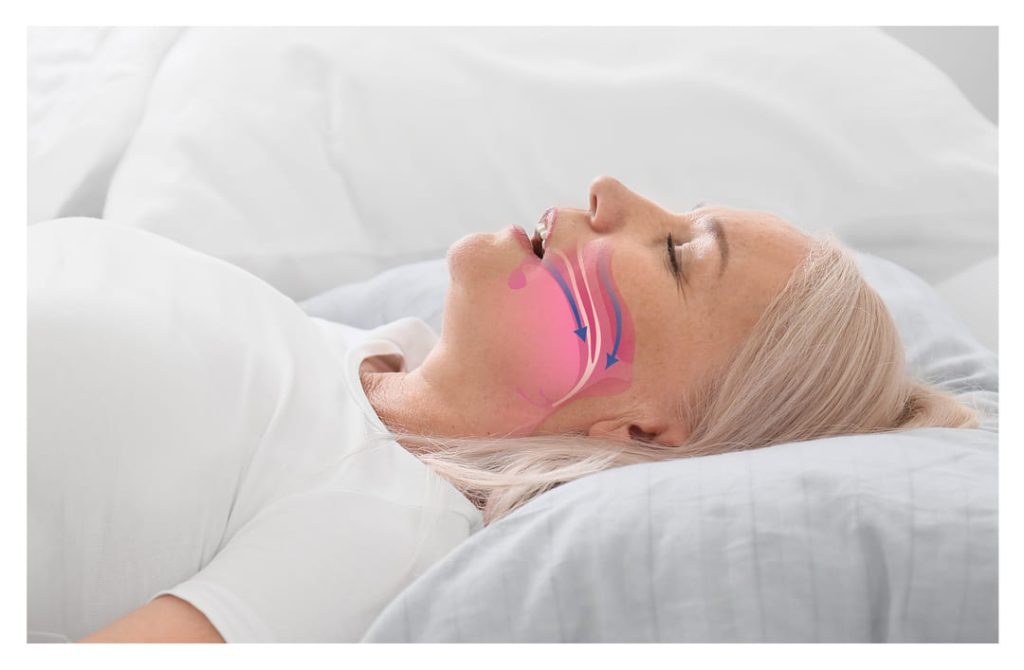
    1. Reduction in pharyngeal diameter from mouth breathing that moves the jaw insufficiently 
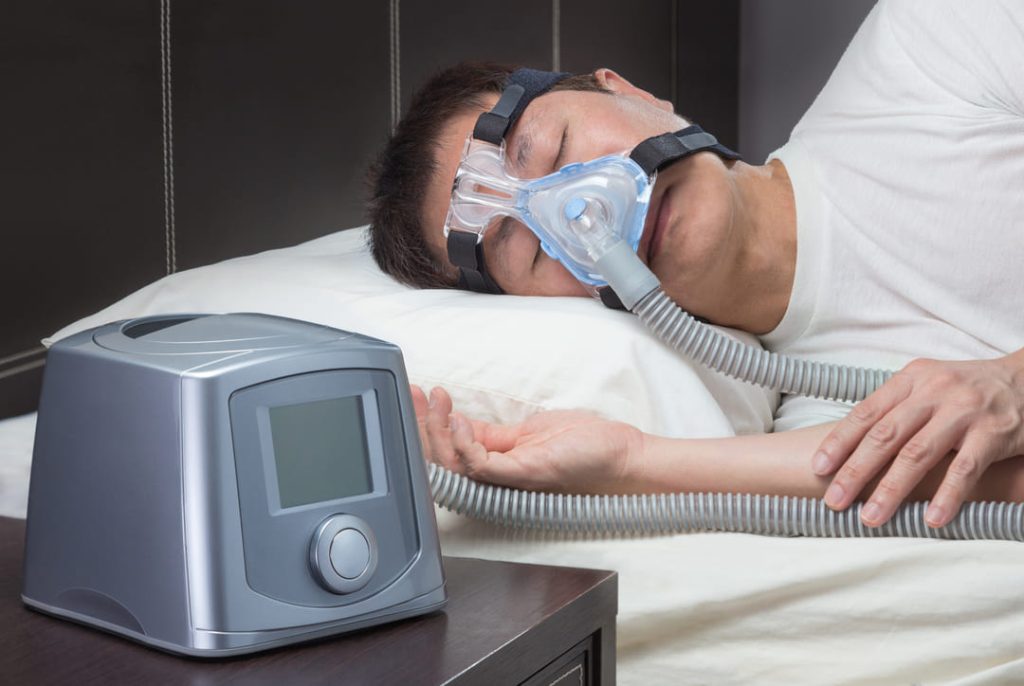
    Man sleeping on bed while hooked up to a CPAP machine.

    Service-Connecting Sleep Apnea Secondary to Allergic Rhinitis

    As part of your VA disability claim for sleep apnea secondary to allergic rhinitis, you must be able to prove service connection. Service connection requires: 

    • A current medical diagnosis (documented in a medical record) of the secondary VA disability you’re attempting to link (Sleep Apnea) to the current service-connected disability (Allergic Rhinitis) AND 
    • A current service-connected primary disability (Allergic Rhinitis) AND 
    • Medical nexus evidence (can be a Nexus Letter) establishing a connection between the service-connected primary condition (Allergic Rhinitis) AND the current disability you’re trying to connect secondary (Sleep Apnea) 


    The VA requires you to attend a sleep study to receive an accurate sleep apnea diagnosis. A sleep study is crucial in finding evidence of irregular breathing, gasping, and other common signs of sleep apnea. 

    With with sleep apnea and rhinitis laying in bed.

    VA Ratings for Sleep Apnea Secondary to Allergic Rhinitis

    The VA rates sleep apnea at 0%, 30%, 50%, and 100%, depending on the severity, frequency, and duration of symptoms.  

    The highest VA rating for sleep apnea secondary to allergic rhinitis is 100%, with most veterans receiving a 50% rating for obstructive sleep apnea.  

    You can find the VA rating for sleep apnea under 38 CFR § 4.97, Diagnostic Code 6847 Schedule of Ratings – Sleep Apnea Syndromes (Obstructive, Central, Mixed).  

    Medical Evidence Wins VA Claims

    Whether you need a nexus letter for sleep apnea secondary to rhinitis or something else, we make it EASY for veterans to connect with a licensed provider through our HIPAA-compliant telemedicine platform—anytime, anywhere! 
     
    From DBQs and Nexus Letters to Psych Evals and Telemedicine Evaluations, the Telemedica team is standing by to serve you. Get the evidence you need to win your VA claim today.