Tag: NEXUS LETTER FOR SECONDARY CONDITION

  • VA Secondary Conditions to Anxiety and Depression

    VA Secondary Conditions to Anxiety and Depression

    Anxiety and depression are common mental health issues among veterans, and they can often lead to or exacerbate secondary conditions.  

    Understanding the various VA secondary conditions to anxiety and depression is crucial, as these conditions can significantly affect your quality of life.  

    This guide examines common VA secondary conditions to anxiety and depression. We’ll discuss VA ratings for secondary conditions, how to file your VA claim for a secondary condition, and steps to service-connect your condition. 

    We’ll also take a closer look at the value of a nexus letter for secondary conditions.

    Table of Contents

    VA secondary conditions to anxiety and depression.

    What are VA Secondary Conditions?

    VA secondary conditions occur when a service-connected disability causes or aggravates a new or pre-existing condition, illness, or injury.  

    For example, suppose you’re service-connected for anxiety or depression, and your anxiety/depression causes another VA-ratable condition. In that case, you may qualify for a VA rating for your secondary condition (e.g., sleep apnea).  

    In addition, anxiety and depression can be secondary conditions if they are caused secondary to a different primary service-connected condition (e.g., GERD)    

    VA Secondary Conditions to Anxiety and Depression

    There are many VA-ratable conditions that can manifest due to your service-related anxiety or depression. Below are some of the most-common VA secondary conditions to anxiety and depression.

    Headaches/Migraines

    Anxiety and depression can trigger or worsen migraine headaches, leading to severe pain and disability. It’s not uncommon for migraines to be accompanied by vomiting, nausea, and sensitivity to light and sound.  

    These headaches can range from tension headaches to migraines and are often exacerbated by the stress and emotional turmoil associated with mental health conditions.  

    In addition, research shows that those who experience migraines with aura (a classic migraine) are more likely to develop depression than those without it.  

    While waiting for an official diagnosis, you can help manage your migraines by: 

    • Staying hydrated 
    • Using a cold compress  
    • Find a calm environment and turn the lights off 
    • Take small sips of a caffeinated beverage  

    Finally, if you can keep a migraine diary, it may help you determine potential triggers, how long the migraines lasted, and what treatment methods helped.  

    VA Rating for Migraines Secondary to Anxiety and Depression

    The VA rates migraines secondary to anxiety and depression at 0%, 10%, 30%, and 50% under diagnostic code (DC) 8100.  

    When filing your VA claim for migraines secondary to anxiety, it’s crucial to include medical evidence. This evidence can strengthen your claim and increase the likelihood of a successful outcome.  

    Nexus Letter for Sleep Apnea Secondary to Depression.

    Sleep Apnea

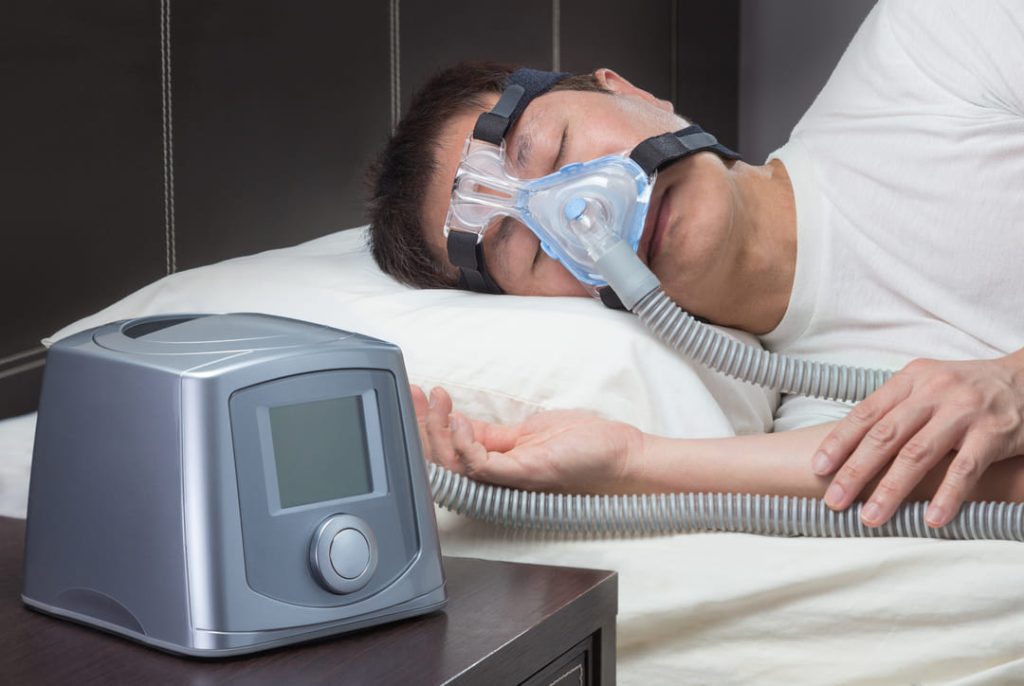
    Anxiety and depression can contribute to the development of obstructive sleep apnea, which is characterized by pauses in breathing during sleep. In addition, anxiety can exacerbate already diagnosed sleep apnea by making it harder to fall asleep.  

    There are three types of sleep apnea: 

    1. Obstructive Sleep Apnea (OSA) is the most common type of sleep apnea and occurs when the throat muscles relax and block airflow to the lungs.  
    1. Central Sleep Apnea (CSA) occurs when the brain fails to send the correct signals to the muscles that control breathing. 
    1. Complex Sleep Apnea or Treatment-emergent central sleep apnea occurs when obstructive sleep apnea turns into central sleep apnea after receiving treatment. 

    When you can identify specific triggers, you can determine the best treatment methods.  

    Common triggers for sleep apnea caused by mental health disorders include: 

    • Physiological – If your anxiety or depression has also caused chronic stress, you may be prone to a reduced quality of sleep.  
    • Psychological – If you’re prone to nightmares or worry about not being able to breathe while sleeping, you’re more likely to experience sleep disturbances. 
    • Environmental – Specific lifestyle factors, including substance use, can worsen sleep apnea and make it challenging to get quality sleep.  

    VA Rating for Sleep Apnea Secondary to Anxiety and Depression

    The VA rates sleep apnea secondary to anxiety and depression at 0%, 30%, 50%, or 100% under DC 6847-Sleep Apnea Syndromes (Obstructive, Central, Mixed).  

    In addition, the VA requires you to attend a sleep study to receive an accurate sleep apnea diagnosis and eventual VA rating.  

    VA Rating for Hypertension Secondary to Anxiety.

    Hypertension (High Blood Pressure)

    It comes as no surprise that anxiety and depression are likely to elevate your blood pressure. Chronic stress increases your body’s production of stress hormones like cortisol, which puts you at risk for long-term increases in blood pressure.  

    While anxiety doesn’t cause long-term high blood pressure, bouts of anxiety can cause temporary elevations in blood pressure. However, these temporary elevations can damage your blood vessels, kidneys, and heart.  

    To avoid unnecessary rises in blood pressure, it’s important to avoid smoking and alcohol, and maintain a healthy diet.  

    In good news, studies show patients with anxiety and/or depression had faster rates of hypertension control because they demonstrated more primary care and specialty visits.  

    If lifestyle changes don’t improve your hypertension, your healthcare provider may prescribe medication to help regulate your blood pressure.  

    VA Rating for Hypertension Secondary to Anxiety and Depression

    The VA rates hypertension at 10%, 20%, 40%, and 60% under DC 7101 – hypertensive vascular disease. Your VA rating for hypertension secondary to anxiety and depression will depend on your diastolic and systolic pressure levels.  

    Gastroesophageal Reflux Disease (GERD)

    GERD is a condition where there is a backflow of stomach acids into your esophagus. Stress and anxiety can increase the production of stomach acid, leading to GERD.  

    A 2023 study found that up to 1 in 3 subjects with GERD experience anxiety and depression. While genetics play a significant role in developing GERD, it’s also common in veterans.  

    Potential symptoms of GERD include: 

    • Difficulty breathing 
    • Nausea  
    • Heartburn 
    • Vomiting 

    In addition, if your anxiety and depression are affecting your sleep, you may be prone to GERD since lying down frequently worsens the condition.  

    Your doctor may prescribe medication to help your condition, with some cases requiring surgery. You can help manage GERD with lifestyle changes, including: 

    • Dietary changes 
    • Losing weight 
    • Quitting smoking 

    VA Rating for GERD Secondary to Anxiety and Depression

    The VA rates GERD from 0% to 80%, with breaks at 10%, 30%, and 50%. You can find the schedule of ratings for GERD under DC 7206.  

    Your GERD secondary to anxiety VA disability rating will depend on the severity of your esophageal stricture and its impact on your health.  

    Irritable Bowel Syndrome (IBS)

    While the exact cause of IBS isn’t well understood, there seems to be a significant link between its development due to anxiety and depression.  

    For example, anxiety and depression can worsen IBS symptoms, leading to abdominal pain, bloating, and changes in bowel habits.  

    Symptoms of IBS include, but are not limited to: 

    • Cramping or bloating  
    • Abdominal pain or discomfort 
    • Excessive gas 
    • Indigestion 
    • Mucus in your stool  
    • Changes in your bowel movement patterns  

    It’s recommended you keep a journal of your symptoms to share with your doctor. While many cases of IBS can be treated with lifestyle changes, it’s vital you talk to your doctor if your anxiety and depression is severe enough to cause significant changes to your GI tract. 

    The following are not signs of IBS and are reasons to get medical attention: 

    • Bloody stool  
    • Chronic diarrhea  
    • Severe abdominal pain  
    • Bowel movements that completely stop  

    VA Rating for ISB Secondary to Anxiety and Depression

    The VA rates IBS secondary to anxiety and depression using DC 7319 with ratings at 10%, 20%, and 30%, depending on factors like abdominal bloating, change in stool frequency, and subjective distension.  

    TMJ with Bruxism

    Temporomandibular joint (TMJ) disorder is a condition affecting the jaw joint and the muscles responsible for moving your jaw.  TMJ with bruxism is a condition that causes you to clench, grind, or gnash your teeth while you’re awake or asleep.  

    While TMJ can vary from one person to the next, common symptoms include: 

    • Difficulty opening and closing your mouth 
    • Tooth pain or sensitivity  
    • Clicking or popping sound when opening and closing your mouth 
    • Pain or tenderness in your jaw 
    • Neck pain, earaches, or headaches 

    Research shows a significant link between bruxism and mental health disorders, especially in emotional disorders and occupational exposures.   

    For example, if you are anxious, it’s common for the muscles in your jaw to become tense or tight. When you clench your jaw or grind your teeth, it can lead to inflammation and muscle tension in your jaw joint, which can cause TMJ.  

    Your healthcare provider can help with TMJ treatment methods; however, many find relief with meditation and mindfulness techniques. 

    VA Rating for TMJ with Bruxism Secondary to Anxiety and Depression

    The VA rates temporomandibular joint disorder (TMD) under DC 9905, with ratings ranging from 10% to 50%, with breaks at 20%, 30%, and 40%.   

    Your TMJ with bruxism secondary to anxiety VA rating will depend on the severity of your symptoms and limitations, including the extent of jaw movement.   

    Nexus Letter for Secondary Condition.

    Nexus Letter for Secondary Condition to Anxiety and Depression

    Claims for VA secondary conditions to anxiety and depression benefit significantly from a nexus letter with high-probative value.  

    A nexus letter with high-probative value should include:   

    • The physician’s credentials, particularly ones that make them a trustworthy source for the following opinion   
    • A reference indicating that the physician composing the letter has thoroughly reviewed the veteran’s medical records and military records that pertain to the claim.  
    • The physician’s opinion regarding the cause of the current diagnosed condition and its relation to the veteran’s military service.  
    • Medical rationale that fully supports the physician’s opinion.  

    See Also: Nexus Letter for Secondary Conditions

    Service Connecting VA Secondary Conditions

    To receive a VA rating for secondary conditions to anxiety and depression, you must service-connect your condition.  

    A VA service connection for secondary conditions requires the following:  

    • A current medical diagnosis (documented in a medical record) of the secondary VA disability you’re attempting to link to the current service-connected disability (anxiety and depression) AND  
    • A current service-connected primary disability (anxiety and depression) AND  
    • Medical nexus evidence establishing a connection between the service-connected primary condition (anxiety and depression) AND the current disability you’re trying to connect secondary  

    Filing a VA Claim for Secondary Conditions

    You can file for VA secondary conditions to anxiety and depression by following the steps below:  

    1. Go to VA.gov and open a new claim using the online VA Form 21-526EZ – Application for Disability Compensation and Related Compensation Benefits   
    1. You can also print the form, fill it out, and send it to this address:  

    Department of Veterans Affairs   
    Claims Intake Center  
    PO Box 4444  
    Janesville, WI 53547-4444  

    1. You can also bring your application to a VA regional office near you  

    VA Ratings for Anxiety and Depression

    A secondary service connection requires a primary service connection.

    For example, in order to receive a secondary service connection for bruxism caused by your anxiety (e.g., a bruxism secondary to anxiety VA rating), you must first have a primary service connection (and VA rating) for your anxiety.

    The VA rates anxiety and depression under § 4.130 Schedule of ratings—Mental disorders, with ratings ranging from 0% to 100%, depending on the severity of your condition.  

    It’s important to understand that you can’t get separate ratings for anxiety and depression, as all mental health conditions are rated under the same VA criteria.

    Conclusion

    Recognizing VA secondary conditions to anxiety and depression is crucial for comprehensive care and management of your health.  

    If you need a nexus letter to provide that missing link between your disability and an in-service event, injury, or disease, Telemedica is here as your nexus letter expert.  

    We can connect you with a licensed provider who understands your unique needs through our secure, private, and convenient platform. Contact us today!  

  • Secondary Conditions to PTSD 

    Secondary Conditions to PTSD 

    Table of Contents

    Post-traumatic stress disorder (PTSD) is a significant condition on its own, but when you add a secondary condition, life can become even more crippling. 

    There are several secondary conditions to PTSD, and knowing whether you qualify can significantly impact your monthly VA benefits. 

    It’s common for veterans to file secondary VA claims if their PTSD caused or worsened another VA-ratable condition. 

    This post will cover seven secondary conditions of PTSD. We will explain how the VA rates secondary conditions to PTSD, how to establish secondary service connection, and how to file a VA claim for secondary conditions to PTSD.

    secondary conditions to PTSD

    How the VA Rates PTSD

    The VA rates PTSD at 0%, 10%, 30%, 50%, 70%, or 100%, depending on the severity and frequency of your PTSD symptoms. 

    What are Secondary Conditions to PTSD?

    Secondary conditions to PTSD are VA-ratable conditions that are caused by or made worse because of your service-connected PTSD. 

    For example, if the stress caused by your PTSD caused you to develop migraines that negatively affect your ability to function, you might qualify for a VA rating for migraines secondary to PTSD.

    Secondary Conditions to PTSD: Nexus Letters

    If you can prove your service-connected PTSD caused an additional condition or worsened a preexisting one, you may be eligible for further compensation. One way to help prove secondary service connection is through a Nexus Letter from a qualified medical professional.

    SECONDARY CONDITIONS TO PTSD NEXUS LETTERS

    How the VA Rates Disabilities Secondary to PTSD

    The VA rates secondary conditions to PTSD up to 100%, depending on the condition and the severity and frequency of symptoms.

    Common VA Disabilities Secondary to PTSD

    This VA disability list of secondary conditions to PTSD can help lead you in the direction of the benefits and compensation you deserve. 

    Migraine Headaches Secondary to PTSD

    Veterans with PTSD are likely to develop migraines, and it’s one of the most common secondary conditions to PTSD. 

    If you’ve served, you know the heightened stress and anxiety it can bring. These added emotions in connection with your PTSD commonly lead to migraine headaches, a frequently debilitating condition. 

    In addition, the stress from PTSD leads to tension in the head and neck, causing migraines. Migraines can significantly affect your quality of life, and PTSD can trigger these extreme headaches. 

    HYPERTENSION SECONDARY TO PTSD NEXUS LETTERS

    Hypertension Secondary to PTSD

    Hypertension, or high blood pressure, is frequently associated with PTSD, especially for veterans stationed in higher-stress areas like Iraq and Afghanistan. 

    Unfortunately, veterans who were severely injured in war are at a greater risk for developing hypertension. Left untreated, high blood pressure can lead to severe conditions, including heart and kidney disease, stroke, and vision loss. 

    Research has found that when a diagnosis of PTSD is left untreated, there is a 24%-46% greater risk of incident hypertension. 

    While the finding was for female and male veterans, it showed females have a slightly higher risk for early blood pressure elevation into the hypertension range. 

    GERD Secondary to PTSD

    GERD frequently occurs in veterans due to the symptoms of PTSD, including stress, anxiety, and depression. These symptoms can lead to an overproduction of stomach acid, causing GERD. 

    Even if you were diagnosed with GERD before your time in the service, you may qualify for a secondary condition if you can prove your service-connected PTSD aggravated the condition. 

    The following are triggers for GERD and should be avoided:

    • Drinking alcoholic beverages
    • Drinking caffeinated beverages
    • Eating late in the evening
    • Eating large portions
    • Smoking

    Irritable Bowel Syndrome (IBS) Secondary to PTSD

    Veterans with an increased severity of PTSD are more likely to experience increased gastrointestinal symptoms, including irritable bowel syndrome (IBS). 

    A common link between IBS and PTSD is based on the signaling between the brain and the gut. If your PTSD causes you to be hypervigilant, the brain signals the gut to enter a hyperarousal state, resulting in side effects like diarrhea or constipation. 

    In addition, IBS can cause significant psychological impairment to veterans with an already-diagnosed case of PTSD. 

    Erectile Dysfunction (ED) Secondary to PTSD

    PTSD is known to cause physical and psychological responses, like fear or anxiety, leading to an interference with the ability to become aroused. 

    Veterans who develop or have a worsened condition of erectile dysfunction because of their PTSD may be entitled to additional benefits and compensation. 

    SLEEP APNEA SECONDARY TO PTSD NEXUS LETTER

    Sleep Apnea Secondary to PTSD

    While PTSD doesn’t cause sleep apnea directly, it’s not uncommon for PTSD to aggravate an already diagnosed case of sleep apnea. It’s essential to understand the two conditions aren’t medically connected. 

    Many veterans face difficulty when trying to service-connect sleep apnea and PTSD because there is a lack of medical evidence linking the two. 

    To help confirm your sleep apnea diagnosis, it’s highly recommended you provide a nexus letter to help establish a secondary service connection for sleep apnea secondary to PTSD. 

    You can receive a Nexus Letter from one of our independent professional providers at Telemedica, which can help lead you to a winning claim. Get in touch with us today to get started. 

    Substance Abuse Disorders Secondary to PTSD

    Many veterans with PTSD develop a substance abuse disorder as a way to cope with their condition. It’s a serious condition, and you deserve the proper treatment, care, and compensation. 

    Unfortunately, substance abuse disorders frequently exacerbate PTSD symptoms, which can significantly impact daily life. 

    You are NOT alone. 80% of veterans struggle with alcohol abuse, and 7% have had an issue with both alcohol and illegal drugs. 

    SECONDARY CLAIMS TO PTSD

    How to Establish Service Connection for Secondary Conditions to PTSD

    To be service connected for secondary conditions to PTSD, you must provide the following:

    1. A medical diagnosis of the secondary disability condition you’re attempting to link to PTSD 
    2. A current service-connected primary disability (In this case, PTSD) 
    3. A medical nexus or link establishing a connection between the service-connected PTSD and the current disability you’re trying to connect (i.e., sleep apnea, GERD, depression). A qualified Nexus Letter can go a long way in helping to prove service connection for a secondary condition

    Also See Our Related Post: PTSD Nexus Letters

    How to Receive Benefits for Multiple Health Conditions

    Many veterans are familiar with “VA Math,” knowing it’s not as easy as 1+1=2. For example, if you have a 50% rating for PTSD and receive a 30% rating for sleep apnea as a secondary condition, you aren’t awarded an 80% VA rating. 

    Instead, secondary conditions of PTSD are based on schedules, which calculate your impairment after the primary disability is considered. 

    For quick and easy combined VA disability rating percentages, you can use a VA Disability Calculator to check your Combined VA Rating.

    4 Steps for Filing Secondary Claims to PTSD

    You can file for PTSD secondary conditions by following the below steps:

    1. Go to VA.gov and open a new claim using the online VA Form 21-526EZ – Application for Disability Compensation and Related Compensation Benefits 
    • You can also print the form, fill it out, and send it to this address:

    Department of Veterans Affairs 

    Claims Intake Center

    PO Box 4444

    Janesville, WI 53547-4444

    1. Ensure your non-service-connected secondary disability condition is medically diagnosed and that the primary disability condition is service-connected at 0% or higher  
    2. Obtain a Nexus Letter from a private healthcare provider to help show the link or connection between the non-service-connected secondary disability and the service-connected primary disability 
    3. File the non-service-connected secondary disability condition secondary to the primary service-connected disability in VA.gov

    If you have been previously denied, you can file for an appeal. Our team at Telemedica can prepare a Rebuttal Letter to help address incorrect or inaccurate statements on your VA denial letter. 

    Telemedica Can Help

    The presence of secondary conditions varies among individuals with PTSD, and your treatment and support should be tailored to your specific needs. 

    It’s crucial to seek professional help when addressing both the primary symptoms of PTSD and any secondary conditions as a comprehensive approach for effective management and recovery. 

    The team at Telemedica is standing by to answer your questions. Contact us today!

  • Nexus Letter for Secondary Conditions

    Nexus Letter for Secondary Conditions

    For veterans navigating the complexities of VA disability claims, understanding the importance of a nexus letter for secondary conditions is crucial. 

    Nexus letters add a layer of credibility to your case and can help expedite the decision-making process.  

    This article will explore the significance of a nexus letter for secondary conditions, how to get a nexus letter, and when to file a VA claim.  

    Table of Contents

    Obtaining a Nexus Letter for Secondary Condition.

    Why a Nexus Letter for Secondary Conditions Can Help

    A nexus letter for secondary condition is a powerful tool to strengthen your case and often means the difference between a successful and unsuccessful claim.  

    A nexus letter helps prove your secondary condition is caused or aggravated by your primary service-connected disability.  

    In addition, nexus letters help the VA make informed decisions about your claim by explaining the relationship between your conditions.  

    Do You Need a Nexus Letter for Secondary Conditions?

    A nexus letter is not required, nor does it guarantee a service connection.  

    However, a nexus letter for secondary conditions is highly recommended. To prove a secondary service connection, you must prove your new disability is “proximately due to’ or “aggravated by” your current service-connected disability.  

    A nexus letter acts as a professional medical opinion explaining the link between your primary service-connected disability and your secondary condition, helping recognize the validity of your claim.  

    Four Elements of Nexus Letters

    A solid nexus letter has the following four essential elements: 

    1. The physician’s credentials, particularly ones that make them a trustworthy source for the following opinion  
    1. A reference indicates that the physician composing the letter has thoroughly reviewed the veteran’s medical and military records about the claim. 
    1. The physician’s opinion regarding the cause of the current diagnosed condition and its relation to the veteran’s military service. 
    1. Medical rationale that fully supports the physician’s opinion. 

    While one nexus letter per VA claim is generally sufficient, you can submit multiple nexus letters from different physicians, especially if you have a more complex case.

    >> Read Next: Can I Use AI to Write a Nexus Letter for VA Disability?

    VA NEXUS LETTER FOR SECONDARY CONDITION.

    When To File for Secondary VA Conditions

    You can begin filing a VA claim for secondary conditions once you have a medical diagnosis.  

    If you don’t have a medical diagnosis for your secondary condition, you should schedule an appointment with your doctor.  

    Our medical team at Telemedica offers telemedicine examinations for initial medical diagnoses and confirmation or updated evaluations of 20 applicable conditions. 

    Once you receive your medical diagnosis, you can submit an intent to file, establishing the day you become eligible for VA benefits.  

    Cost of a Nexus Letter for Secondary Conditions

    The cost of a VA nexus letter for secondary conditions can vary based on several factors, including: 

    • The complexity of your case 
    • The level of expertise of the medical professional 
    • The extent of the required medical records review   

    Getting a nexus letter from your treating physician at no additional cost is possible, especially if you have a strong rapport with your healthcare provider.

    However, there might be associated fees if a specialized opinion is needed, such as from a medical specialist.  

    Related:

    DO YOU NEED A NEXUS LETTER FOR SECONDARY CONDITIONS?

    Medical Evidence Wins VA Claims

    Whether you need a nexus letter for secondary conditions or something else, we make it EASY for veterans to connect with a licensed provider through our HIPAA-compliant telemedicine platform—anytime, anywhere!  
     
    From DBQs and Nexus Letters to Psych Evals and Telemedicine Evaluations, the Telemedica team is standing by to serve you. Get the evidence you need to win your VA claim today.