Tag: nexus letter doctors near me

  • Are There Nexus Letter Doctors Near Me?

    Are There Nexus Letter Doctors Near Me?

    Yes, there are doctors who can write nexus letters for VA disability claims, including both local healthcare providers and qualified telehealth clinicians who review veterans’ medical and service records.

    A nexus letter is a medical opinion that explains how your current condition is connected to your military service or to another service-connected disability. While many licensed healthcare professionals can write a nexus letter, finding a provider with experience reviewing VA claims and supporting medical evidence is often the most important factor.

    In this guide, we’ll explain where to find nexus letter doctors near you, who are qualified to write a nexus letter, and what veterans should look for before obtaining one.

    Key Takeaways

    • A nexus letter can be critical to establishing service connection by providing the medical link between your current condition and military service.
    • Most licensed healthcare providers can write a nexus letter, but providers with expertise in your condition and experience with VA claims often provide stronger medical opinions.
    • Not every veteran needs a nexus letter, but they are commonly used for direct service connection, secondary service connection, and claims involving evidentiary gaps.
    • The strength of a nexus letter depends on the provider’s qualifications, review of your records, and clear medical rationale—not simply the fact that a letter was submitted.

    Table of Contents

    Nexus Letter Doctors Near Me

    How to Find VA Nexus Letter Doctors Near Me

    While “nexus letter doctor” isn’t a technical term, it’s crucial to find someone qualified to write a nexus letter for your VA disability claim. 

    The good news is that most licensed physicians can write a nexus letter for you; however, finding a qualified medical professional is essential.  

    You can check with your local VA medical center for recommendations on finding a nexus letter doctor.

    If you already see a family doctor, you can ask them if they are qualified and have experience writing a VA nexus letter.

    In addition, the team at Telemedica offers Nexus Letters based on previously diagnosed disability conditions related to:

    • Direct Service Connections
    • Secondary Service Conditions
    • Presumptive Service Conditions

    Since it can be overwhelming to start from square one, we’ve outlined the top 5 tips for finding a nexus letter doctor near you.

    >> Related: Will the VA Accept a Nexus Letter from a Telehealth Doctor?

    VA Nexus Letter Doctors Near Me

    5 Tips for Finding a Nexus Letter Doctor

    Find a Licensed Provider

    Generally, the VA will only accept a nexus letter from licensed healthcare providers, not professionals like acupuncturists and chiropractors. 

    When you contact a medical professional, ensure they are qualified to write a VA nexus letter.

    Your time is valuable, and there’s no reason to waste it on someone who can’t help you get what you deserve.

    You can check your doctor’s credentials online and verify their qualifications.

    Find a Specialist With Experience in Your Condition

    While you can get a nexus letter from your family doctor, it’s always helpful to see a specialist who is an expert on your condition. 

    In addition, we highly recommend finding a doctor with experience writing VA nexus letters and knowledge of the VA disability claim system.

    Seek Someone You Are Comfortable With

    If you’re uncomfortable with your doctor, you’re less likely to be honest about your condition and its impact on your daily life. 

    If you have a family doctor, that’s a great starting point since they likely know you best, but you should ask if they have experience writing nexus letters.

    In addition, ensure you ask upfront about any fees associated with obtaining a nexus letter.

    Ask Fellow Veterans for Recommendations

    If you know a veteran who recently received a nexus letter from a medical professional, ask them for more information, including their satisfaction level. 

    Asking a fellow veteran is especially helpful if this is the first time you’ve had to find a doctor.

    It can be overwhelming with the long list of results when you search the web, so talking to someone with first-hand experience is a great start.

    Don’t Hesitate to Seek a Second Opinion

    You should seek a second opinion if you don’t feel confident in your doctor’s nexus letter. 

    While a nexus letter doesn’t guarantee a favorable decision from the VA, you want to feel comfortable with the process.

    Remember, the goal is to get you the disability and compensation you deserve and not to feel underserved.


    FAQs | Frequently Asked Questions

    Can I Write My Own Nexus Letter?

    No, nexus letters must be written by a licensed medical professional to be accepted by the VA as part of the claims process.

    However, you can write a VA statement in support of claim that details the facts and circumstances of your VA disability condition.

    What Qualifications Does a Nexus Letter Doctor Have?

    Your doctor should be a licensed medical professional, preferably with knowledge of VA disability claims and a clear understanding of your medical history.

    Do I Have to Pay for a Nexus Letter?

    Yes. In most cases, you must pay for a nexus letter, especially since you are likely visiting a private doctor. The price can vary depending on the medical professional and the complexity of your situation.

    Do VA Presumptive Conditions Require a Nexus Letter?

    VA presumptive conditions don’t typically require a nexus letter because the VA presumes your condition is linked to your military service. 

    The VA considers various conditions associated with the following as presumptive:

    • Burn pits
    • Agent Orange
    • Former prisoners of war
    • Atomic veterans
    • Gulf War syndrome
    • Gulf War infectious diseases

    >> Gulf War Presumptives Guide

    Medical Evidence Wins VA Claims

    Doctors who write veterans Nexus Letters

    Our mission at Telemedica is to provide innovative, quality care to the veteran community. Our standard of care applies to everything we do, including nexus letters. If you need a nexus letter for sleep apnea, don’t hesitate to reach out.

    A qualified provider will review your medical records and provide a comprehensive chart review summarizing your medical records and documents that may support your claim.

    Join the 25,000+ Veterans who have trusted Telemedica with their medical evidence needs—Book your Nexus Letter service today!

  • Nexus Letter for Sleep Apnea Secondary to Sinusitis

    Nexus Letter for Sleep Apnea Secondary to Sinusitis

    Is a nexus letter for sleep apnea secondary to sinusitis your missing link? If you’ve received a denied claim, you’ll want to understand the significant impact a nexus letter can make. 

    In this guide, we’ll cover how a nexus letter impacts your VA disability claim, the steps to get service connected for sleep apnea secondary to sinusitis, and what VA rating you deserve. 

    The VA claims process can be challenging, but we’re here to help guide you. 

    Table of Contents

    NEXUS LETTER FOR SLEEP APNEA SECONDARY TO SINUSITIS

    Nexus Letter for Sleep Apnea Secondary to Sinusitis

    A nexus letter for sleep apnea secondary to sinusitis is vital evidence when applying for VA benefits. 

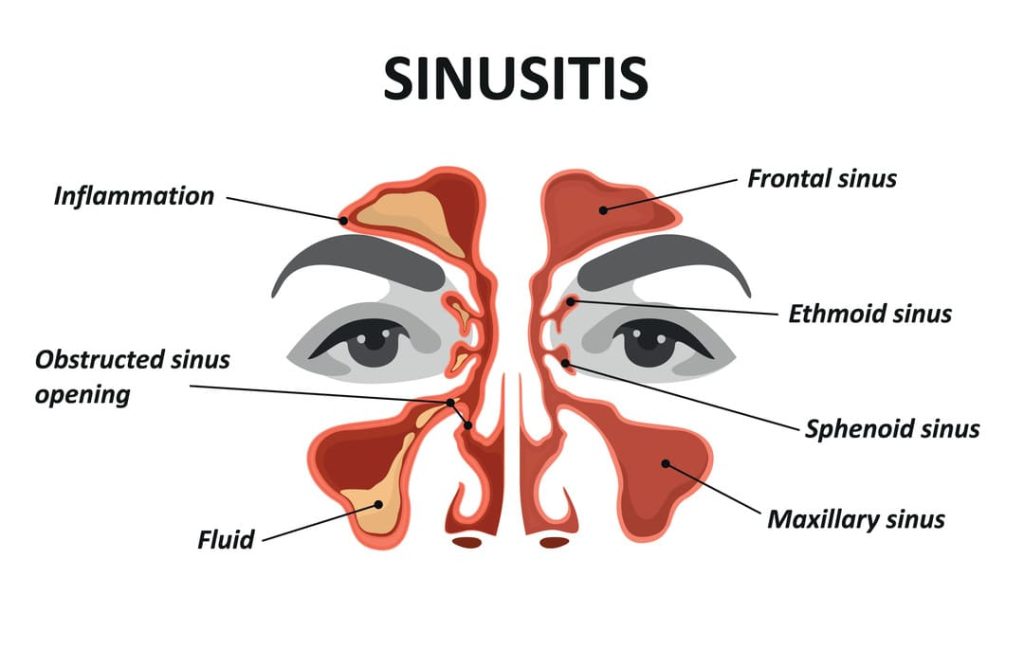
    Sinusitis can contribute to sleep apnea by causing sinus congestion and inflammation that blocks the nasal passages. But is your military service the culprit?

    Many veterans are susceptible to sinusitis due to burn pit exposure and other hazards. Obtaining a nexus letter is highly recommended if you want a better chance of winning your claim. 

    A Nexus Letter establishes a connection between your service-connected sinusitis and the development or worsening of sleep apnea. 

    It outlines a healthcare provider’s medical reasoning and professional opinion, clearly stating that sleep apnea results from sinusitis and makes you eligible for benefits.

    How Sleep Apnea and Sinusitis Are Connected

    SLEEP APNEA SECONDARY TO CHRONIC SINUSITIS AND RHINITIS

    Sleep apnea and sinusitis can be connected in several ways, so it’s essential to understand what is causing your condition. 

    Here’s a look at common reasons why sleep apnea can be secondary to sinusitis:

    1. Nasal congestion – When nasal passages are blocked due to mucus buildup or inflammation, it can contribute to obstructive sleep apnea. 
    2. Airway obstruction – Sinusitis can worsen the obstruction of your airways while sleeping, making it difficult for air to flow freely. 
    3. Inflammation – Inflammation caused by sinusitis can affect the soft tissues of your throat and airway, increasing the chances of sleep apnea. 
    4. Disrupted sleep – Sinusitis frequently leads to disrupted sleep, which can exacerbate sleep apnea symptoms and may contribute to the development or worsening of the condition long term. 

    Managing sinusitis and addressing nasal congestion can be important components of sleep apnea treatment, as improving nasal airflow may help reduce the severity of sleep apnea symptoms and improve overall sleep quality.

    >> Related: 5 Secondary Conditions to Sinusitis Veterans Should Know

    SLEEP APNEA SECONDARY TO SINUSITIS

    How to Get Service-Connected for Sleep Apnea Secondary to Sinusitis

    In order to win a VA disability claim for sleep apnea secondary to sinusitis you must be able to prove service connection. Service connection requires:

    • A current medical diagnosis (documented in a medical record) of the secondary VA disability you’re attempting to link (Sleep Apnea) to the current service-connected disability (Sinusitis) AND
    • A current service-connected primary disability (Sinusitis) AND
    • Medical nexus evidence establishing a connection between the service-connected primary condition (Sinusitis) AND the current disability you’re trying to connect secondary (Sleep Apnea)

    You will likely be required to attend a sleep study to receive an accurate sleep apnea diagnosis. A sleep study is vital in finding evidence of irregular breathing, gasping, and other obvious signs of sleep apnea. 

    VA Ratings for Sleep Apnea Secondary to Sinusitis

    The VA rates sleep apnea secondary to sinusitis at 0%, 30%, 50%, and 100%, depending on the severity, frequency, and duration of symptoms. 

    The highest VA rating for sleep apnea secondary to sinusitis is 100%, with most veterans receiving a 50% rating for obstructive sleep apnea. 

    The VA rating for sleep apnea is under 38 CFR § 4.97, Diagnostic Code 6847 Schedule of Ratings – Sleep Apnea Syndromes (Obstructive, Central, Mixed). 

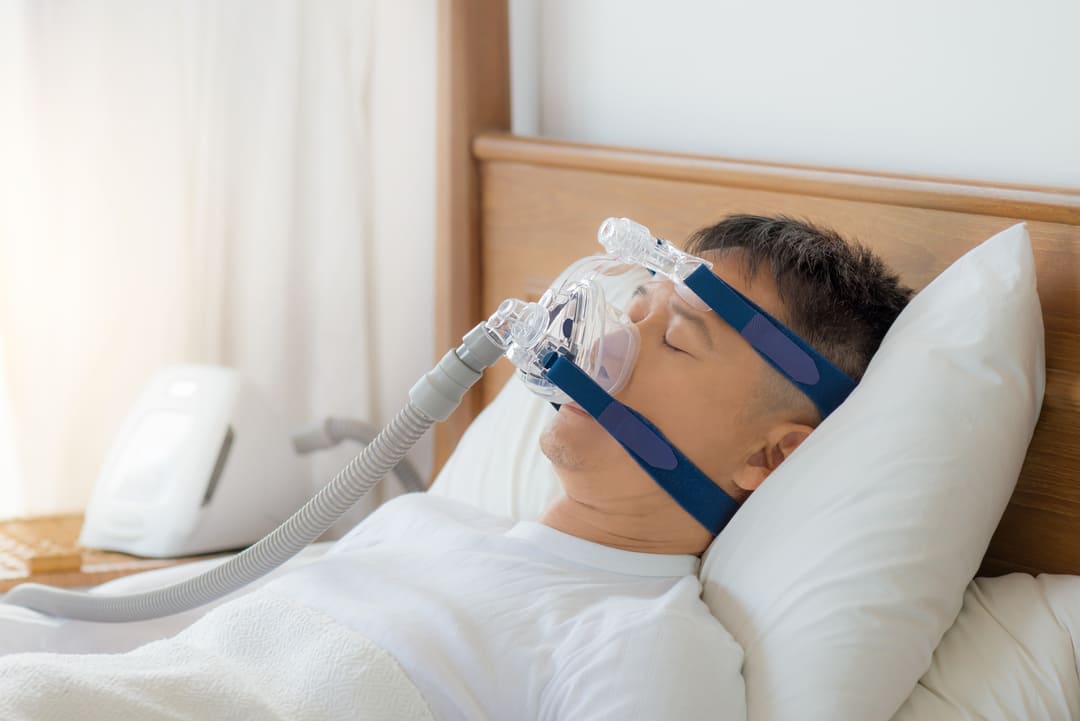
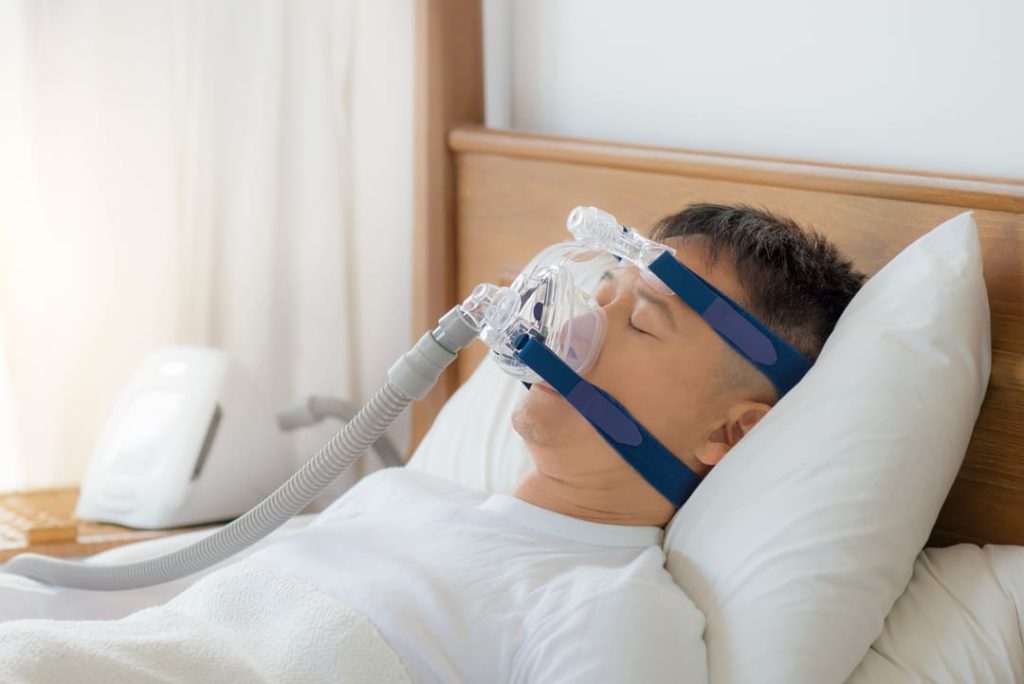
    If you receive a 50% or greater VA rating for sleep apnea, you’ll require one of the following qualifying breathing assistance devices:

    • Continuous positive airway pressure (CPAP) machine
    • Automatic airway pressure device (APAP)
    • Bilevel-positive airway pressure device (BiPAP, also known as NIPPV or NIV)
    • Nasopharyngeal appliances (Nasal dilators; nasopharyngeal stents)
    • Oral appliances (mandibular advancement devices (MAD); tongue-retaining mouthpieces)
    • Implanted genioglossal nerve stimulation devices

    Sleep Apnea Secondary to Sinusitis: Do I Need a DBQ?

    You don’t need a DBQ for sleep apnea secondary to sinusitis; however, it can help strengthen your claim. Adding a DBQ to your claim can make it a fully developed claim, where all of the evidence needed to decide a claim is present, and the VA rater can choose to decide your claim without sending you to a C&P exam.

    Is Sleep Apnea Secondary to Chronic Sinusitis and Rhinitis?

    Yes, if you have a primary service-connected diagnosis of chronic sinusitis or rhinitis, you may be eligible for a secondary sleep apnea connection. 

    If your chronic sinusitis causes congestion and inflammation, blocking your nasal passages, you will likely develop or worsen a previously diagnosed case of sleep apnea. 

    How Telemedica Can Help With Your Nexus Letter

    Understanding the need for a nexus letter for sleep apnea secondary to sinusitis may help secure a winning claim. The licensed, trusted professionals at Telemedica can help with your nexus letter, paving the way to the benefits you deserve. 

    You can contact us with any questions; we will gladly assist you.

  • Nexus Letter for Sleep Apnea Secondary to PTSD

    Nexus Letter for Sleep Apnea Secondary to PTSD

    Was your sleep apnea VA disability claim denied? 

    Or maybe you’ve received multiple denied VA disability claims. 

    Do you need a medical professional to draft a sleep apnea nexus letter to help you establish a service connection to claim sleep apnea secondary to your PTSD?

    Don’t worry. You’ve come to the right place.

    In this post, we’ll uncover the significance of a nexus letter for sleep apnea secondary to PTSD.

    Table of Contents

    Nexus Letter for sleep apnea secondary to PTSD

    Nexus Letter for Sleep Apnea Secondary to PTSD

    While the VA doesn’t require a nexus letter to submit a sleep apnea claim, a nexus letter can be an essential piece of evidence to help establish a service connection between rateable mental health conditions like Posttraumatic stress disorder (PTSD) and a sleep disorder like sleep apnea.

    Note: The VA only accepts nexus letters written by licensed providers.

    Winning a VA claim for sleep apnea secondary to PTSD will require a secondary service connection for sleep apnea.

    Secondary Service Connections

    As opposed to a direct service connection, a secondary service connection refers to when a service-connected disability causes another disability—also known as a secondary condition.

    Service connection occurs when you can demonstrate, using medical evidence, lay statements, or military records, that an event, injury, or illness during your military service caused or aggravated your disability.

    You can only receive VA disability benefits for sleep apnea if you can connect your sleep apnea to your military service.

    A secondary service connection occurs when you can prove through similar evidence that an already service-connected disability caused or aggravated another disability.

    sleep apnea secondary to PTSD Nexus Letter

    Sleep Apnea Secondary to PTSD: Nexus Letters

    Not all VA claims need a nexus letter to approve the claim and receive a VA rating. 

    The strength of your sleep apnea VA claim depends on how the evidence establishes a service connection between your documented sleep disorder (sleep apnea) and your PTSD symptoms.

    Asking yourself these three questions can help you decide if you need a nexus letter for sleep apnea secondary to PTSD:

    1. Do you have a current sleep apnea diagnosis that was initially diagnosed while you were in service and is supported by medical evidence in your military medical records? If so, you may not need sleep apnea nexus letters to get VA benefits. 
    2. Are you filing for sleep apnea as a secondary or previously denied claim based on not being service-connected? If yes, consider getting a nexus letter.  
    3. Are you filing for a sleep apnea VA disability rating increase? If so, you don’t need a nexus letter since your claim was approved, and you currently have a sleep apnea rating (and receive VA disability benefits). 

    Sleep Apnea Secondary to PTSD VA Disability Ratings

    The VA rates sleep apnea secondary to PTSD at 0%, 30%, 50%, or 100%, depending on the severity, frequency, and duration of symptoms. 

    The highest VA rating for sleep apnea secondary to PTSD is 100%. 

    DBQ for sleep apnea secondary to PTSD

    Types of Sleep Apnea Secondary to PTSD

    According to Mayo Clinic, there are three types of sleep apnea:

    1. Obstructive Sleep Apnea (OSA) is the most common type of sleep apnea and occurs when the throat muscles relax and block airflow to the lungs. 
    2. Central Sleep Apnea (CSA) occurs when the brain fails to send the correct signals to the muscles that control breathing.
    3. Complex Sleep Apnea or Treatment-emergent central sleep apnea occurs when obstructive sleep apnea turns into central sleep apnea after receiving treatment.

    Over time, sleep apnea can lead to a host of symptoms caused by sleep disturbances, such as:

    • sleep deprivation
    • chronic stress
    • weight gain
    • excessive daytime sleepiness, and
    • overall poor sleep health
    VA Nexus Letter for sleep apnea secondary to PTSD

    VA Disability Nexus Letters for Secondary Conditions

    A nexus letter for a secondary condition is an evidence-based written document from a qualified medical provider stating that an already service-connected disability caused or aggravated another disability.

    Nexus letters for secondary conditions should include the following:

    1. A discussion of supporting evidence. The provider should reference any medical or personal record they’ve reviewed that supports your sleep apnea claim.
    2. An evidence-based rationale. The provider must explain why they believe your service-connected disability caused or aggravated the sleep apnea disability you are now seeking benefits. Referencing a sleep study, sleep test, sleep medicine, CPAP machine, VA sleep lab, case laws, or research journals will help show their evidence-based opinion. 
    3. A nexus opinion. The provider’s opinion that your disability was caused or aggravated by an already service-connected disability should be expressed in terms of likelihood.
      To best adhere to VA guidelines concerning how the VA rates sleep apnea, nexus letters should use language like:
      1. “Is due to” = 100% certain
      2. “More likely than not” = greater than 50% certain
      3. “At least as likely as not” = equal to 50% certain
      4. “Not likely due to” = less than 50% certain
      5. “Is not due to” = 0% chance
      6. List of credentials. The provider must sign and date the letter and list their title, specialty, and other credentials that emphasize their expertise. 

    Note: Preferably, the provider will use “is due to” or “more likely than not,” as these are the strongest. However, the strength of their opinion will depend on the evidence. a Nexus Letter must clearly detail how the current condition was caused by the original.

    Is sleep apnea secondary to PTSD

    Nexus Letter for Sleep Apnea Secondary to PTSD (FAQs) Frequently Asked Questions

    Is sleep apnea secondary to PTSD a VA disability?

    Yes, frequently, veterans can get service connected for sleep apnea secondary to PTSD. 

    However, it’s crucial to note PTSD doesn’t cause sleep apnea. Instead, many veterans can prove PTSD aggravates their sleep apnea. 

    How do I get a VA nexus letter for sleep apnea secondary to PTSD?

    You can receive a sleep apnea secondary to PTSD nexus letter from a licensed medical professional, including one of our Telehealth professionals at Telemedicia. 

    We specialize in nexus letters for:

    • Direct Service Connections
    • Secondary Service Connections
    • Presumptive Service Connections 

    A nexus letter with a high probative value can make your statement stronger.

    Do I need a DBQ for sleep apnea secondary to PTSD?

    A DBQ isn’t required for service-connecting sleep apnea secondary to PTSD; however, it may help secure your claim. Adding a DBQ to your claim makes it a fully developed claim and may benefit you in two ways. It may help streamline your claim through the review and decision process, and it may allow the VA rater to decide the case without sending you to a C&P exam.  

    As with other secondary conditions to PTSD, the more relevant, strong evidence you provide, the better your chances are of winning your VA disability claim. 

    Medical Evidence Wins VA Claims

    Whether you need a Nexus Letter for sleep apnea secondary to PTSD or something else, we make it EASY for veterans to connect with a licensed provider through our HIPAA-compliant telemedicine platform—anytime, anywhere!

    From DBQs and Nexus Letters to Psych Evals and Telemedicine Evaluations, the Telemedica team is standing by to serve you. Get the evidence you need to win your VA claim today.