Table of Contents
- How the VA Rates PTSD
- What are Secondary Conditions to PTSD?
- How the VA Rates Disabilities Secondary to PTSD
- Common VA Disabilities Secondary to PTSD
- How to Establish Service Connection for Secondary Conditions to PTSD
- How to Receive Benefits for Multiple Health Conditions
- 4 Steps for Filing Secondary Claims to PTSD
- Telemedica Can Help
Post-traumatic stress disorder (PTSD) is a significant condition on its own, but when you add a secondary condition, life can become even more crippling.
There are several secondary conditions to PTSD, and knowing whether you qualify can significantly impact your monthly VA benefits.
It’s common for veterans to file secondary VA claims if their PTSD caused or worsened another VA-ratable condition.
This post will cover seven secondary conditions of PTSD. We will explain how the VA rates secondary conditions to PTSD, how to establish secondary service connection, and how to file a VA claim for secondary conditions to PTSD.

How the VA Rates PTSD
The VA rates PTSD at 0%, 10%, 30%, 50%, 70%, or 100%, depending on the severity and frequency of your PTSD symptoms.
What are Secondary Conditions to PTSD?
Secondary conditions to PTSD are VA-ratable conditions that are caused by or made worse because of your service-connected PTSD.
For example, if the stress caused by your PTSD caused you to develop migraines that negatively affect your ability to function, you might qualify for a VA rating for migraines secondary to PTSD.
Secondary Conditions to PTSD: Nexus Letters
If you can prove your service-connected PTSD caused an additional condition or worsened a preexisting one, you may be eligible for further compensation. One way to help prove secondary service connection is through a Nexus Letter from a qualified medical professional.

How the VA Rates Disabilities Secondary to PTSD
The VA rates secondary conditions to PTSD up to 100%, depending on the condition and the severity and frequency of symptoms.
Common VA Disabilities Secondary to PTSD
This VA disability list of secondary conditions to PTSD can help lead you in the direction of the benefits and compensation you deserve.
Migraine Headaches Secondary to PTSD
Veterans with PTSD are likely to develop migraines, and it’s one of the most common secondary conditions to PTSD.
If you’ve served, you know the heightened stress and anxiety it can bring. These added emotions in connection with your PTSD commonly lead to migraine headaches, a frequently debilitating condition.
In addition, the stress from PTSD leads to tension in the head and neck, causing migraines. Migraines can significantly affect your quality of life, and PTSD can trigger these extreme headaches.

Hypertension Secondary to PTSD
Hypertension, or high blood pressure, is frequently associated with PTSD, especially for veterans stationed in higher-stress areas like Iraq and Afghanistan.
Unfortunately, veterans who were severely injured in war are at a greater risk for developing hypertension. Left untreated, high blood pressure can lead to severe conditions, including heart and kidney disease, stroke, and vision loss.
Research has found that when a diagnosis of PTSD is left untreated, there is a 24%-46% greater risk of incident hypertension.
While the finding was for female and male veterans, it showed females have a slightly higher risk for early blood pressure elevation into the hypertension range.
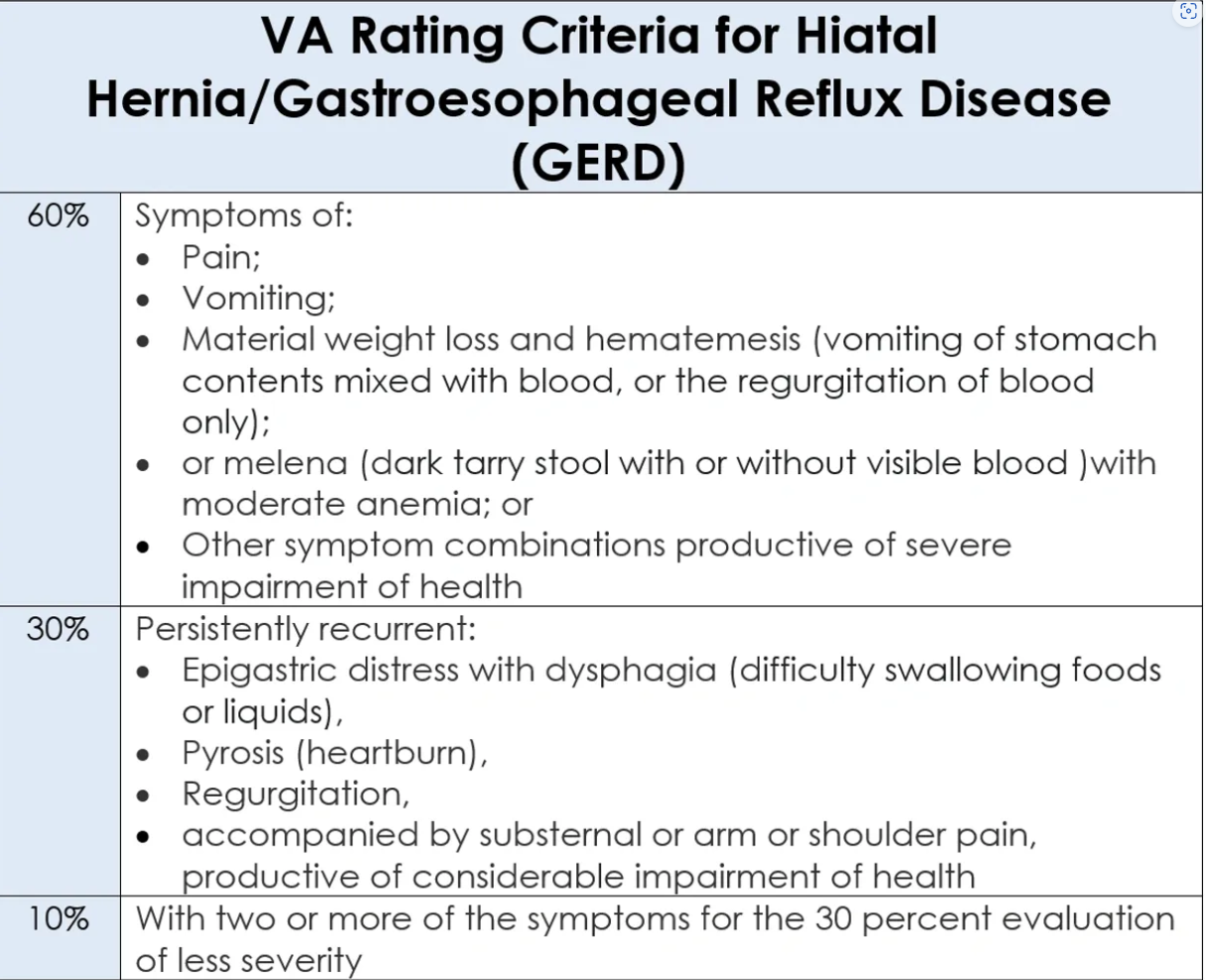
GERD Secondary to PTSD
GERD frequently occurs in veterans due to the symptoms of PTSD, including stress, anxiety, and depression. These symptoms can lead to an overproduction of stomach acid, causing GERD.
Even if you were diagnosed with GERD before your time in the service, you may qualify for a secondary condition if you can prove your service-connected PTSD aggravated the condition.
The following are triggers for GERD and should be avoided:
- Drinking alcoholic beverages
- Drinking caffeinated beverages
- Eating late in the evening
- Eating large portions
- Smoking
Irritable Bowel Syndrome (IBS) Secondary to PTSD
Veterans with an increased severity of PTSD are more likely to experience increased gastrointestinal symptoms, including irritable bowel syndrome (IBS).
A common link between IBS and PTSD is based on the signaling between the brain and the gut. If your PTSD causes you to be hypervigilant, the brain signals the gut to enter a hyperarousal state, resulting in side effects like diarrhea or constipation.
In addition, IBS can cause significant psychological impairment to veterans with an already-diagnosed case of PTSD.
Erectile Dysfunction (ED) Secondary to PTSD
PTSD is known to cause physical and psychological responses, like fear or anxiety, leading to an interference with the ability to become aroused.
Veterans who develop or have a worsened condition of erectile dysfunction because of their PTSD may be entitled to additional benefits and compensation.
Sleep Apnea Secondary to PTSD
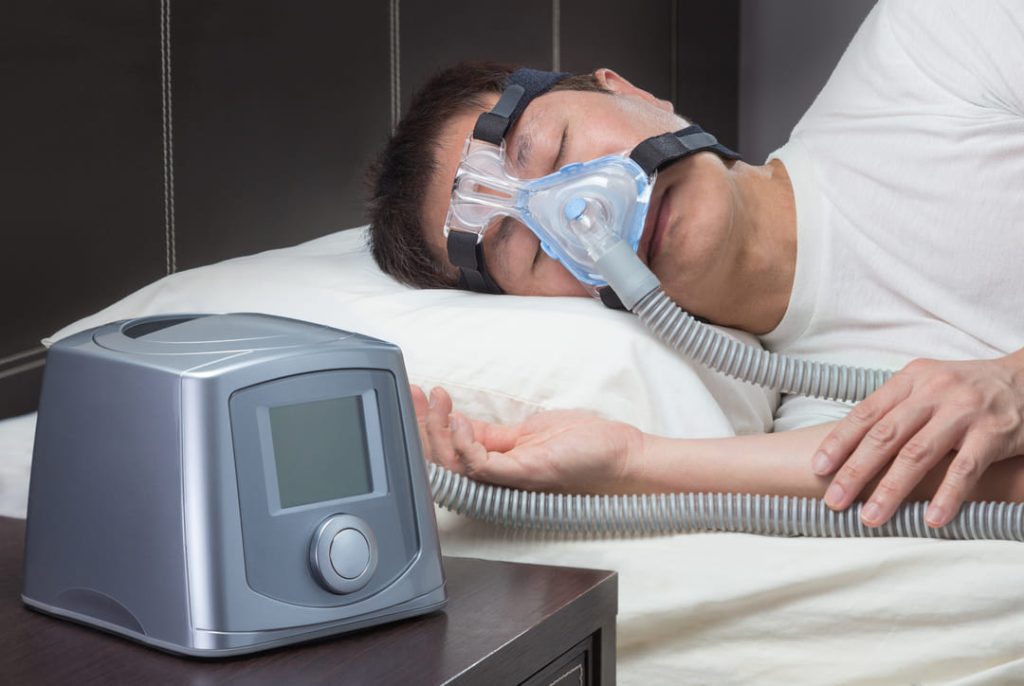
While PTSD doesn’t cause sleep apnea directly, it’s not uncommon for PTSD to aggravate an already diagnosed case of sleep apnea. It’s essential to understand the two conditions aren’t medically connected.
Many veterans face difficulty when trying to service-connect sleep apnea and PTSD because there is a lack of medical evidence linking the two.
To help confirm your sleep apnea diagnosis, it’s highly recommended you provide a nexus letter to help establish a secondary service connection for sleep apnea secondary to PTSD.
You can receive a Nexus Letter from one of our independent professional providers at Telemedica, which can help lead you to a winning claim. Get in touch with us today to get started.
Substance Abuse Disorders Secondary to PTSD
Many veterans with PTSD develop a substance abuse disorder as a way to cope with their condition. It’s a serious condition, and you deserve the proper treatment, care, and compensation.
Unfortunately, substance abuse disorders frequently exacerbate PTSD symptoms, which can significantly impact daily life.
You are NOT alone. 80% of veterans struggle with alcohol abuse, and 7% have had an issue with both alcohol and illegal drugs.

How to Establish Service Connection for Secondary Conditions to PTSD
To be service connected for secondary conditions to PTSD, you must provide the following:
- A medical diagnosis of the secondary disability condition you’re attempting to link to PTSD
- A current service-connected primary disability (In this case, PTSD)
- A medical nexus or link establishing a connection between the service-connected PTSD and the current disability you’re trying to connect (i.e., sleep apnea, GERD, depression). A qualified Nexus Letter can go a long way in helping to prove service connection for a secondary condition
Also See Our Related Post: PTSD Nexus Letters
How to Receive Benefits for Multiple Health Conditions
Many veterans are familiar with “VA Math,” knowing it’s not as easy as 1+1=2. For example, if you have a 50% rating for PTSD and receive a 30% rating for sleep apnea as a secondary condition, you aren’t awarded an 80% VA rating.
Instead, secondary conditions of PTSD are based on schedules, which calculate your impairment after the primary disability is considered.
For quick and easy combined VA disability rating percentages, you can use a VA Disability Calculator to check your Combined VA Rating.
4 Steps for Filing Secondary Claims to PTSD
You can file for PTSD secondary conditions by following the below steps:
- Go to VA.gov and open a new claim using the online VA Form 21-526EZ – Application for Disability Compensation and Related Compensation Benefits
- You can also print the form, fill it out, and send it to this address:
Department of Veterans Affairs
Claims Intake Center
PO Box 4444
Janesville, WI 53547-4444
- You can also bring your application to a VA regional office near you
- Ensure your non-service-connected secondary disability condition is medically diagnosed and that the primary disability condition is service-connected at 0% or higher
- Obtain a Nexus Letter from a private healthcare provider to help show the link or connection between the non-service-connected secondary disability and the service-connected primary disability
- File the non-service-connected secondary disability condition secondary to the primary service-connected disability in VA.gov
If you have been previously denied, you can file for an appeal. Our team at Telemedica can prepare a Rebuttal Letter to help address incorrect or inaccurate statements on your VA denial letter.
Telemedica Can Help
The presence of secondary conditions varies among individuals with PTSD, and your treatment and support should be tailored to your specific needs.
It’s crucial to seek professional help when addressing both the primary symptoms of PTSD and any secondary conditions as a comprehensive approach for effective management and recovery.
The team at Telemedica is standing by to answer your questions. Contact us today!